Vienna Calling

I have just returned from an amazing 4 nights in magically festive Vienna, having had my fill of glühwein, Sachertorte and boiled beef broth (it loses something in translation!).

I’ve never been before, but will definitely be going back. Beautiful architecture, and so much to do, not least the seemingly endless supply of museums and galleries.

The Leopold and Belvedere were on my hit list as housing the greatest number of works by Klimt and Schiele. I had a nagging fear that the episode might end the same way as Michael Craig-Martin but, instead, I came away with a greater appreciation of all the details that can’t be gleaned from a photograph: the brushstrokes, the surprising thickness and coverage of the paint, sometimes leaving areas of the canvas exposed and the purity of colour. It was a revelation to get up really close and just look.
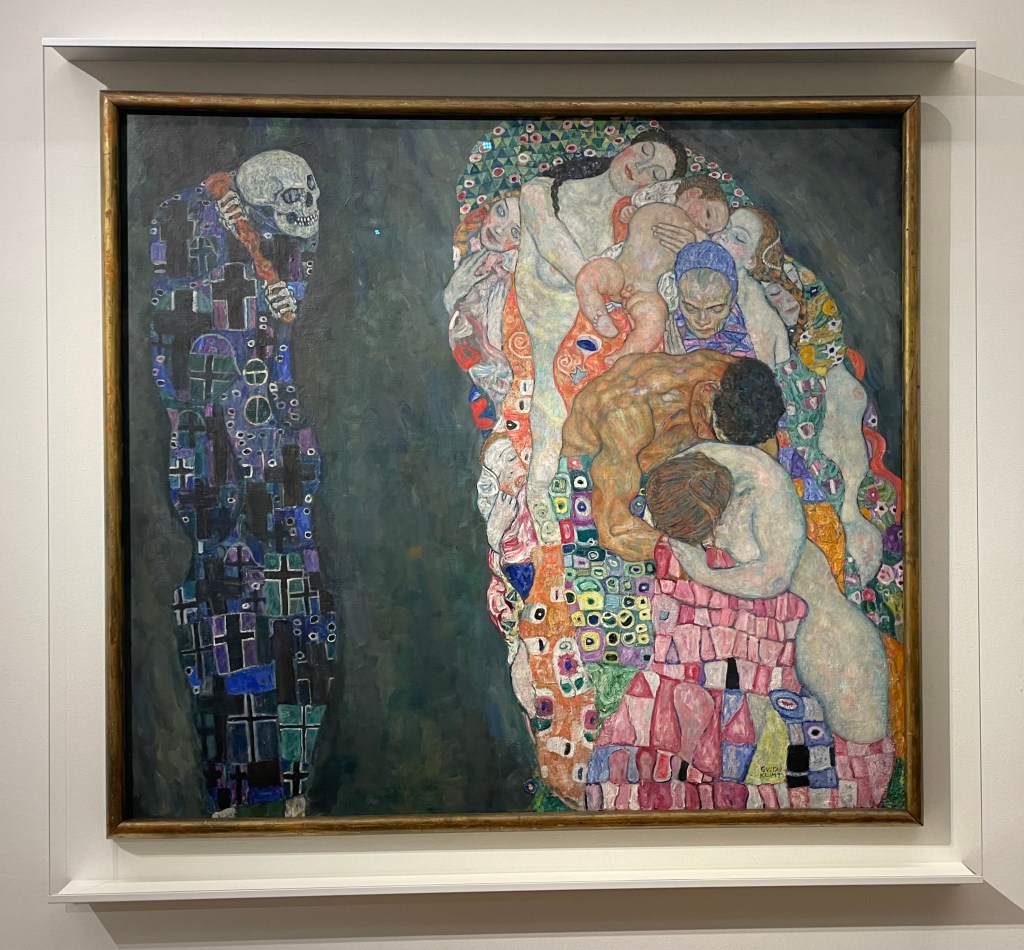
Death and Life 1910/15 , Klimt
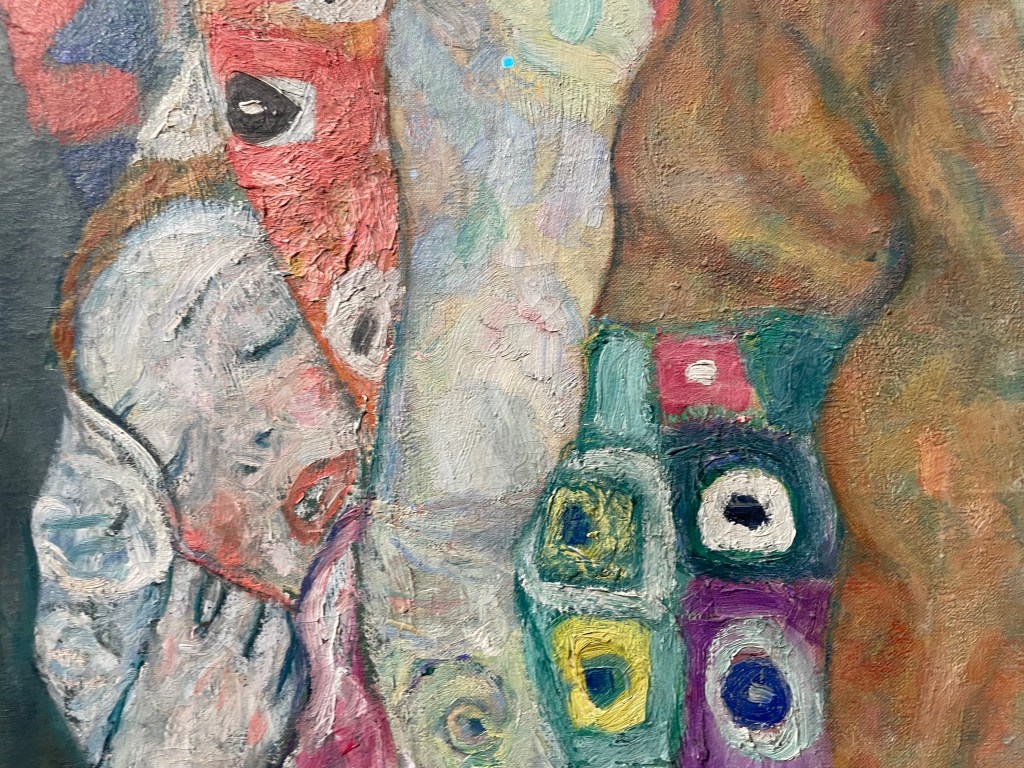
Detail

I had always thought that Klimt applied paint quite uniformly and flat, so I was surprised to see the thickness of the paint and multi-directional brushstrokes. I like the way Klimt paints skin in all its imperfections and blotchiness, ranging from the pale and cold whiteness to the warmer, darker tones of the male figure.

Seeing ‘The Kiss’ was an interesting experience; it reminded me of when I saw the ‘Mona Lisa’ in the Louvre. Being one of Klimt’s most famous works, along with the ‘Mona Lisa’ and Van Gogh’s ‘Starry, Starry Night’, it is one of the most mass reproduced images of all time. I was underwhelmed, and I found it quite sad, as I was expecting to be bowled over by it. It was the most crowded room at the Belvedere, but what I found particularly interesting was that the crowd of people in front of it, holding up their phones and cameras, seemed totally uninterested in looking at it in any great detail – in fact they had left a sizeable gap in front of it so that they could get it in shot. This was handy as it allowed me to perform a flanking manoeuvre to get in front of it, to try and appreciate it as a work of art, as opposed to just a selfie opportunity with a celebrity. There was no point taking a photo – it was so strongly lit, and the lights reflected in the glass covering it. I grappled with my feeling of ‘numbness’ for the rest of the day, and as I was mulling it over in my mind, holding yet another mug of mulled wine in my hand, the answer came to me when I remembered John Berger’s ‘Ways of Seeing’ in which he considers the effect of reproduction:

”When the camera reproduces a painting, it destroys the uniqueness of its image. As a result its meaning changes. Or, more exactly, its meaning multiplies and fragments into many meanings … Alternatively one can forget about the quality of the reproduction and simply be reminded, when one sees the original, that it is a famous painting of which somewhere one has already seen a reproduction. But in either case the uniqueness of the original now lies in it being the original of a reproduction. It is no longer what its image shows that strikes one as unique; its first meaning is no longer to be found in what it says, but in what it is.”

By contrast, in the next room was one of my favourites, ‘Judith and the Head of Holofernes’, a depiction of a strong femme fatale, the polar opposite to ‘The Kiss’.
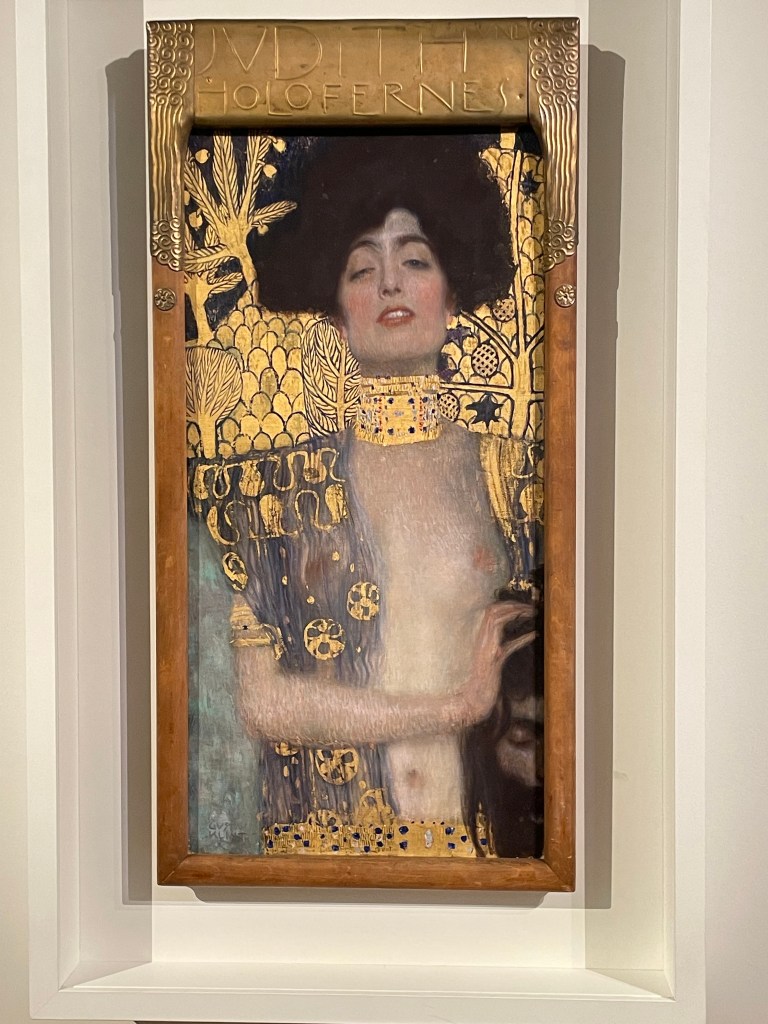
Judith and the Head of Holofernes, Klimt, 1901

What can I say? I love gold leaf: I’m a magpie. Despite the abundance of gold in the painting, the eye is still drawn to the figure of Judith which is thrown forward by the decorative background. She is holding the head of Holofernes, somewhat gently, which is shown half in and half out of the frame, relegating him to a secondary role in the drama which has unfolded. There are intriguingly two decapitated heads in the painting; the treatment of the choker has effectively severed Judith’s head from her body. It is an image full of female power, sexual and otherwise.

It’s easy to forget that Klimt was a master draughtsman.
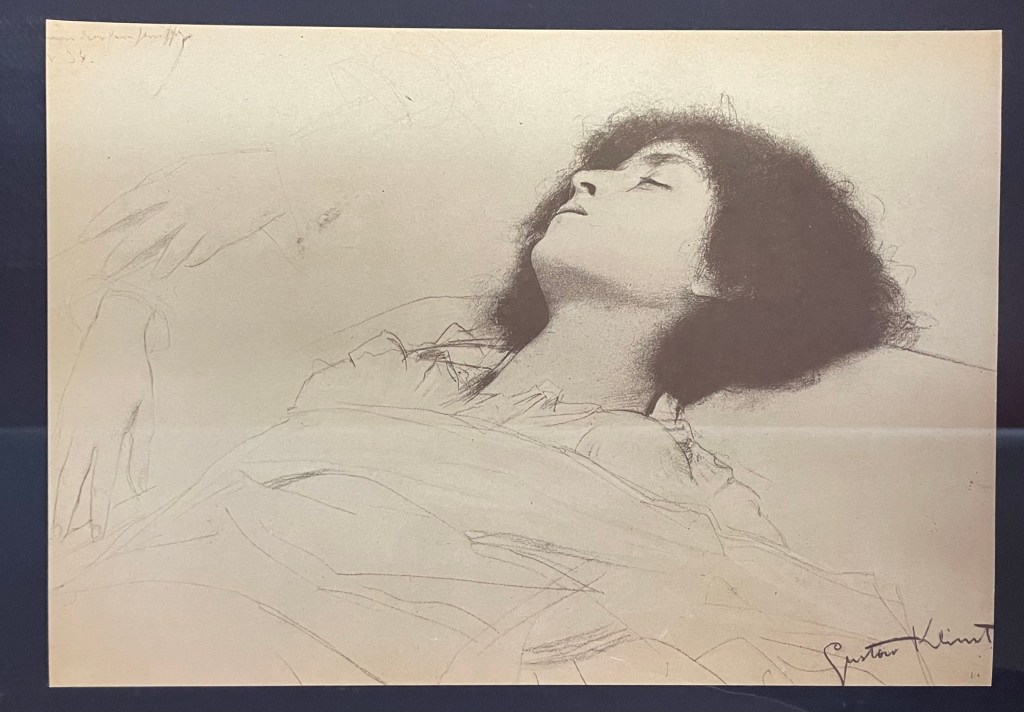
His drawings are exquisite. The simple monochrome of pencil or black chalk, a quiet antidote to the noise of gold and vibrant colour.
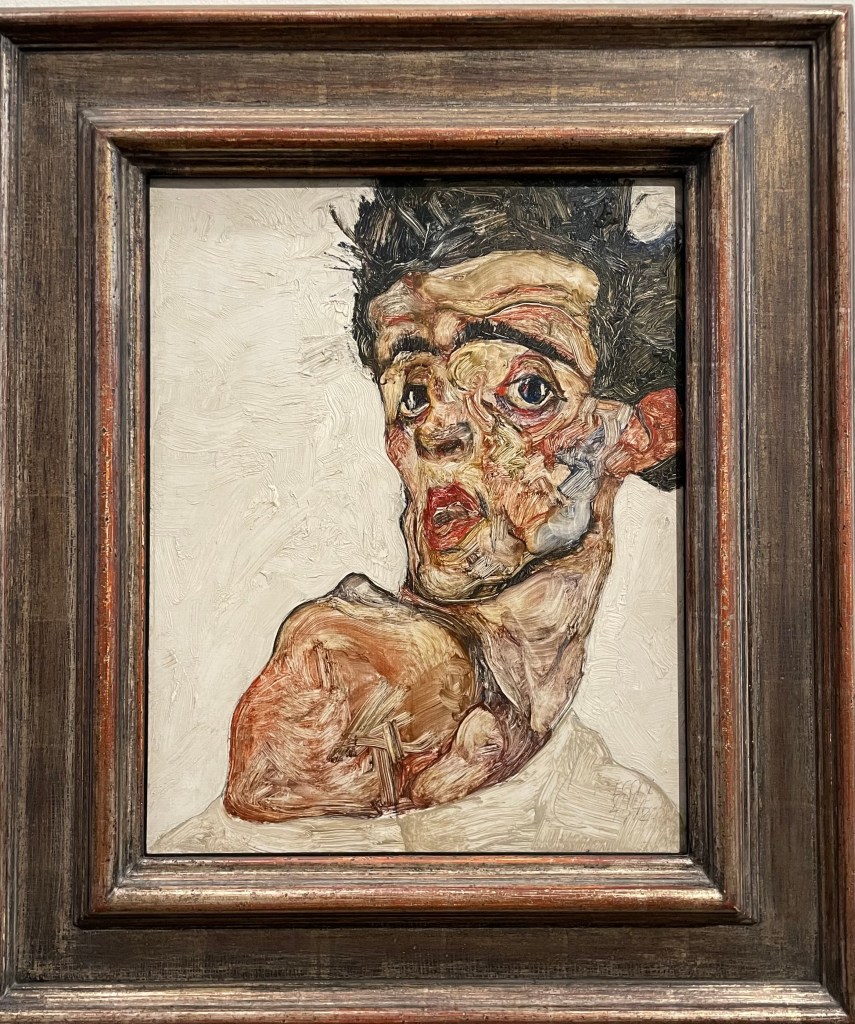
Self-Portrait with Raised bare Shoulder, Egon Schiele, 1912

I love this self-portrait; it is so expressive, and the fluidity of the brushstrokes creates a sense of movement and vitality. It is reminiscent of the Lucian Freud self-portrait in my earlier post, “I’m Sorry, Michael…”. It is quite small but he manages to pack a lot into such a confined space, including his shoulder, which by extension includes his body. The difference in treatment between the figure itself, which is quite thinly painted, and the more heavy impasto in the background is extremely effective. It is painted on wood, which might explain the wonderful textures on the face which would have been caused by the hog bristles in the brushes, although I have read, in a book on artists’ palettes, that Schiele would often use a brush to remove paint from a canvas in order to create texture. I particularly like the simple use of sgrafitto particularly above his left eye, and to delineate the edge of the chin against the neck.

The description next to this piece was interesting in that it described Schiele’s connection with his own body as both a fusion and a dissociation, in the context of the main theme of Viennese Modernism ie the individual becomes a dividual – something that can be divided.

The Embrace, 1917, Egon Schiele

This painting is so impactful. It’s approximately 1.5m by 1m. It shows Schiele with his wife, Edith Harms, in a loving and tender embrace. Unlike a lot of his work, this does not, to me at least, have any sexual or erotic overtones. There is a sense of completeness, in that Schiele depicts himself physically emaciated as he envelops and buries his head in the hair of his wife, almost blending into one, in an act of nourishing love. It’s even more poignant to think that this is one of his last works, as they both died within days of each other a few years later in the flu epidemic of 1918-20. He was only 28.

Both Schiele and Klimt were ahead of their time; they were disruptors. Schiele was akin to Sid Vicious and the punk movement, and Klimt founded the Viennese Secession, breaking away from the constraints of the Künstlerhaus. In today’s art world there is no prescribed way of doing things, no longer any art movements or – isms against which to rebel; artists have never been freer to express themselves in whatever way they wish, so I wonder how it is possible for an artist to stand out; how to make a difference in a world of differences.
Poets And Lovers, And A Side Of Bacon

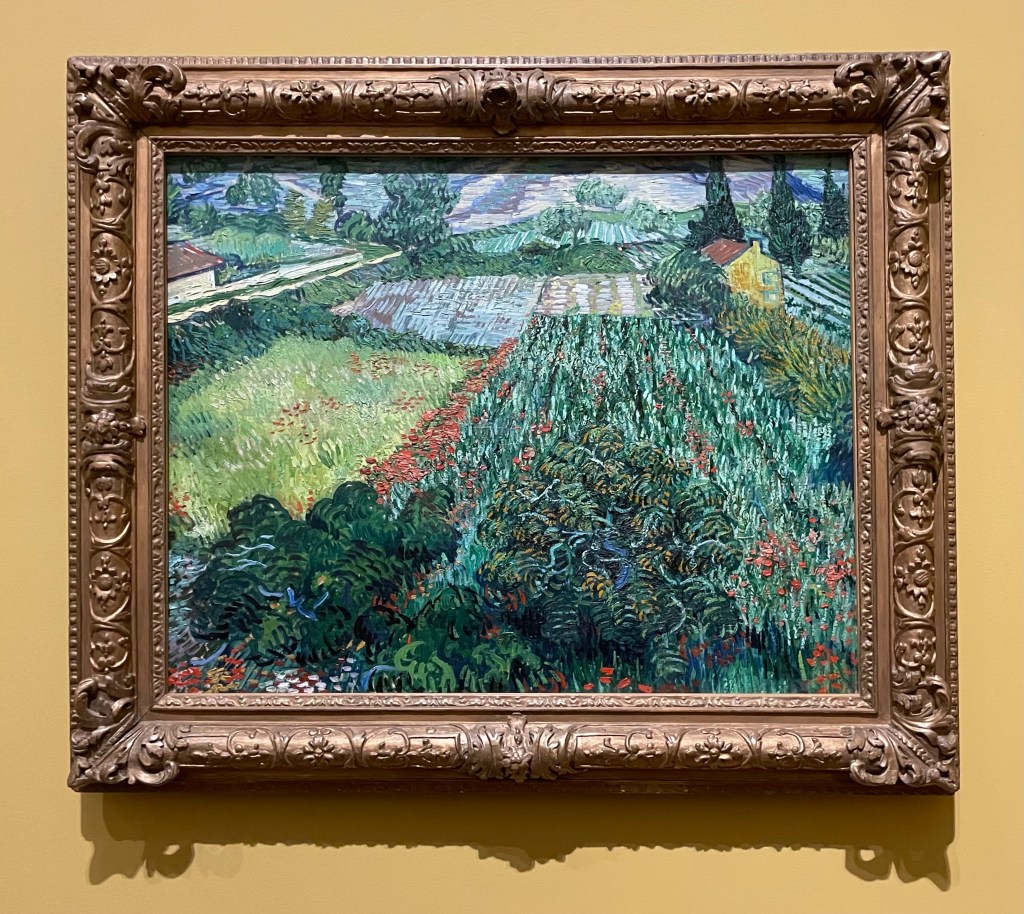
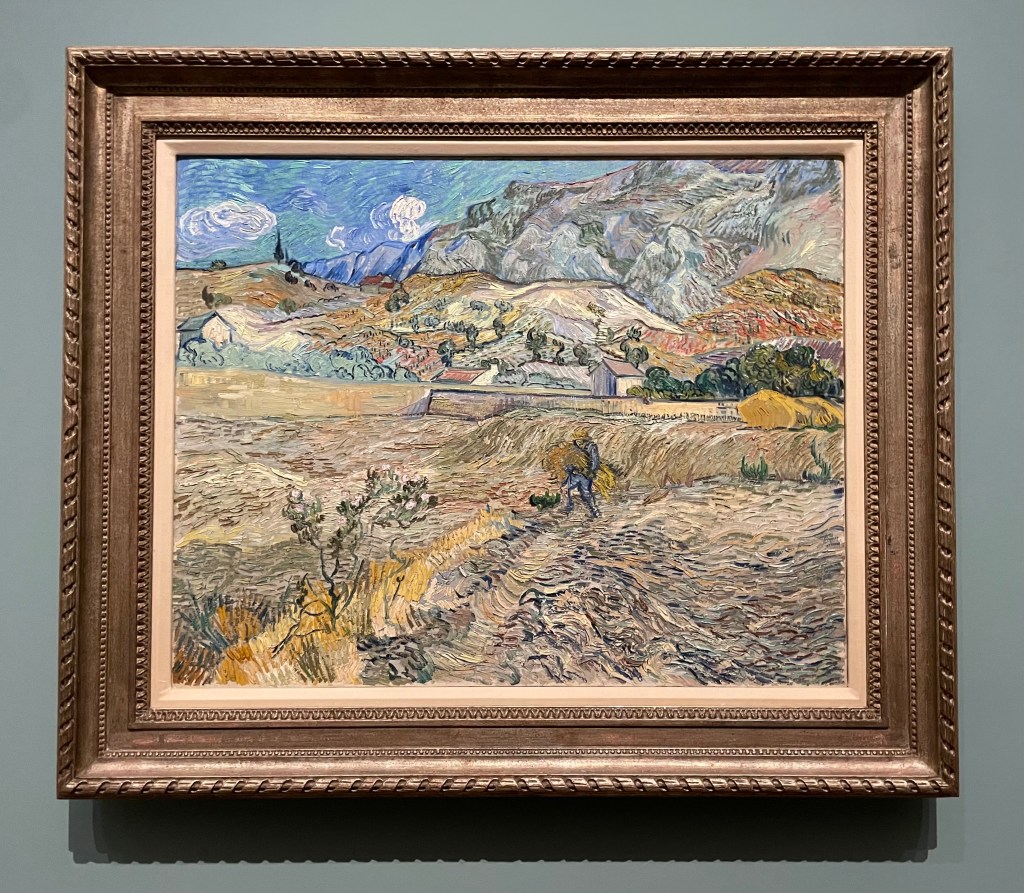
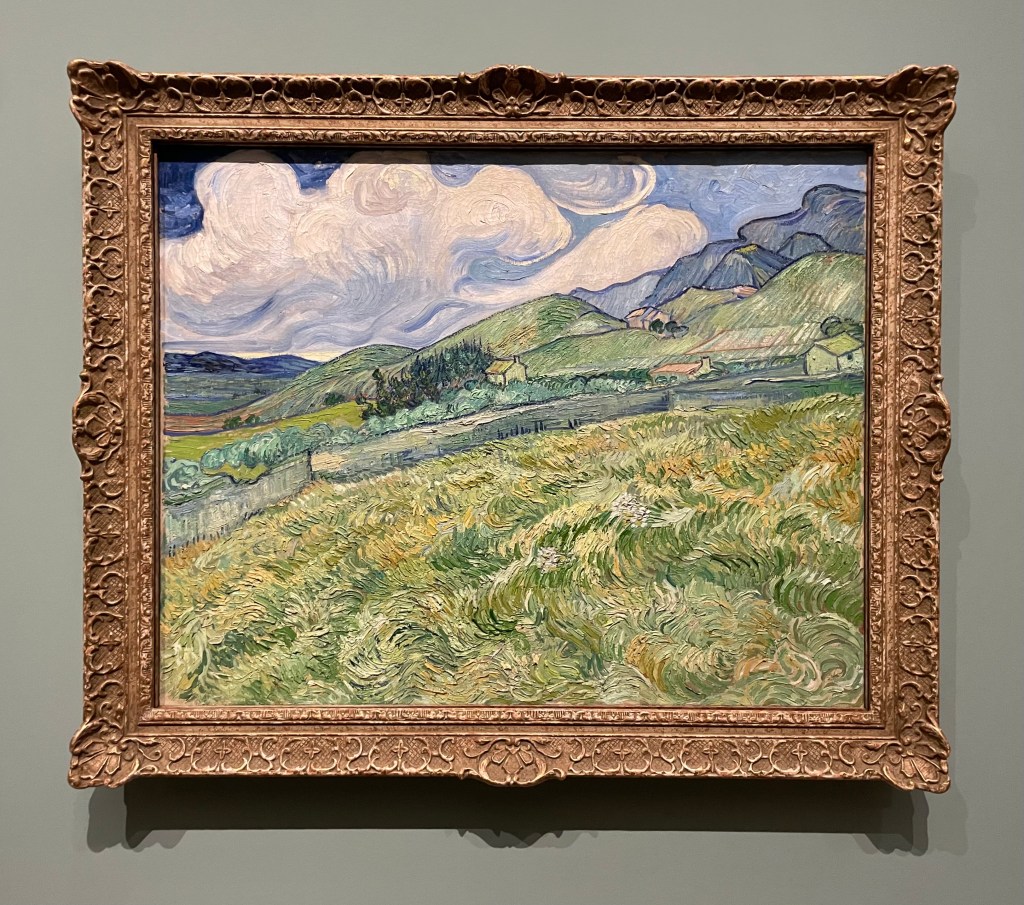
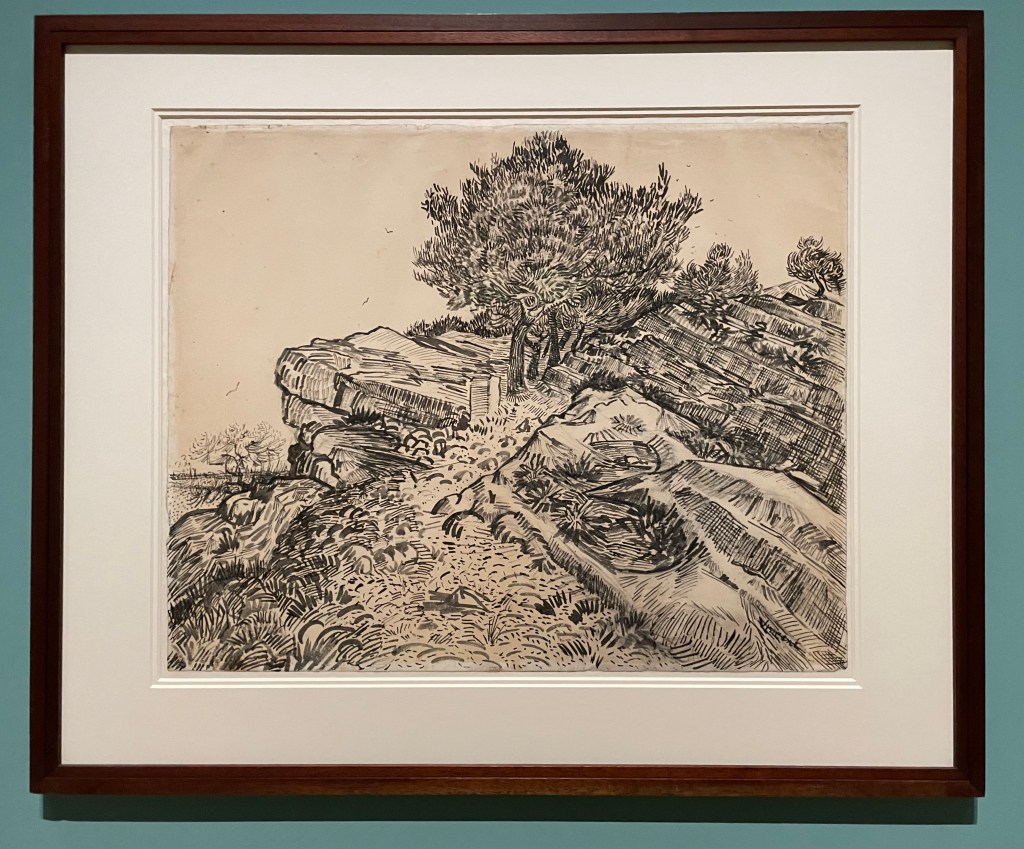
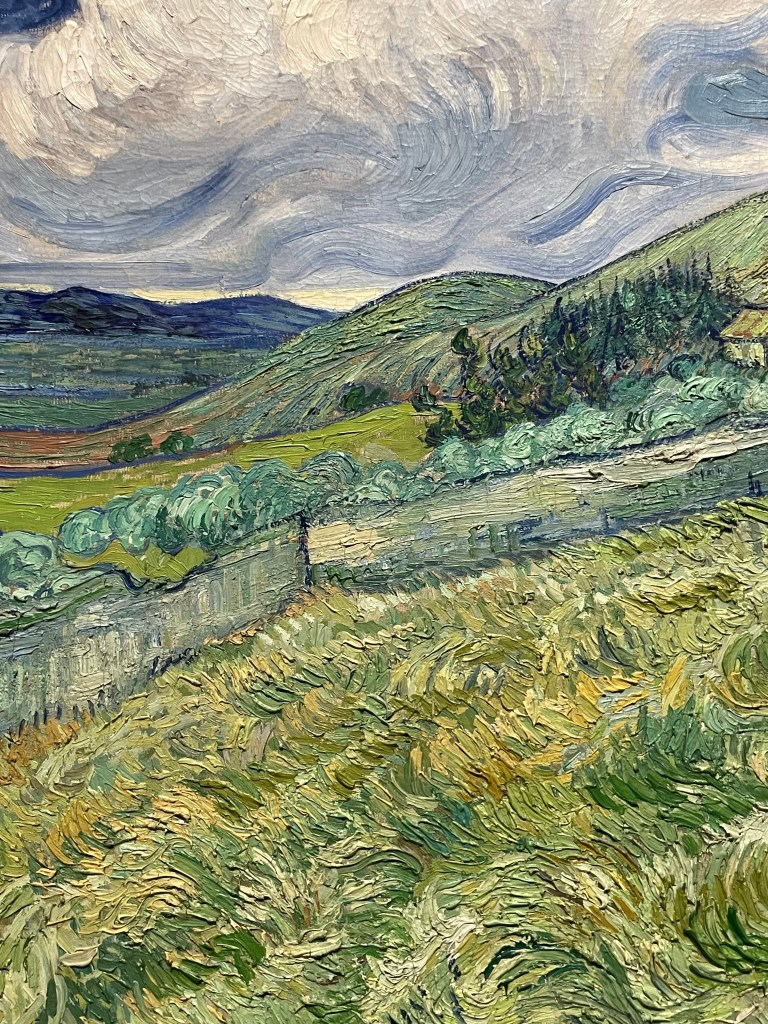
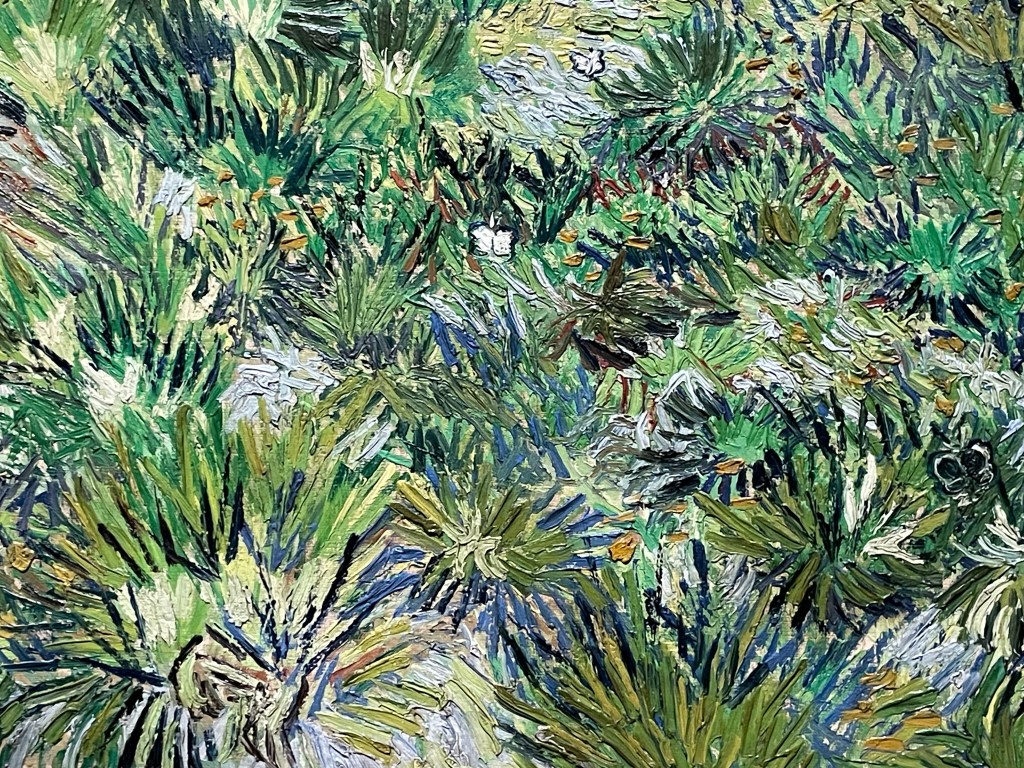
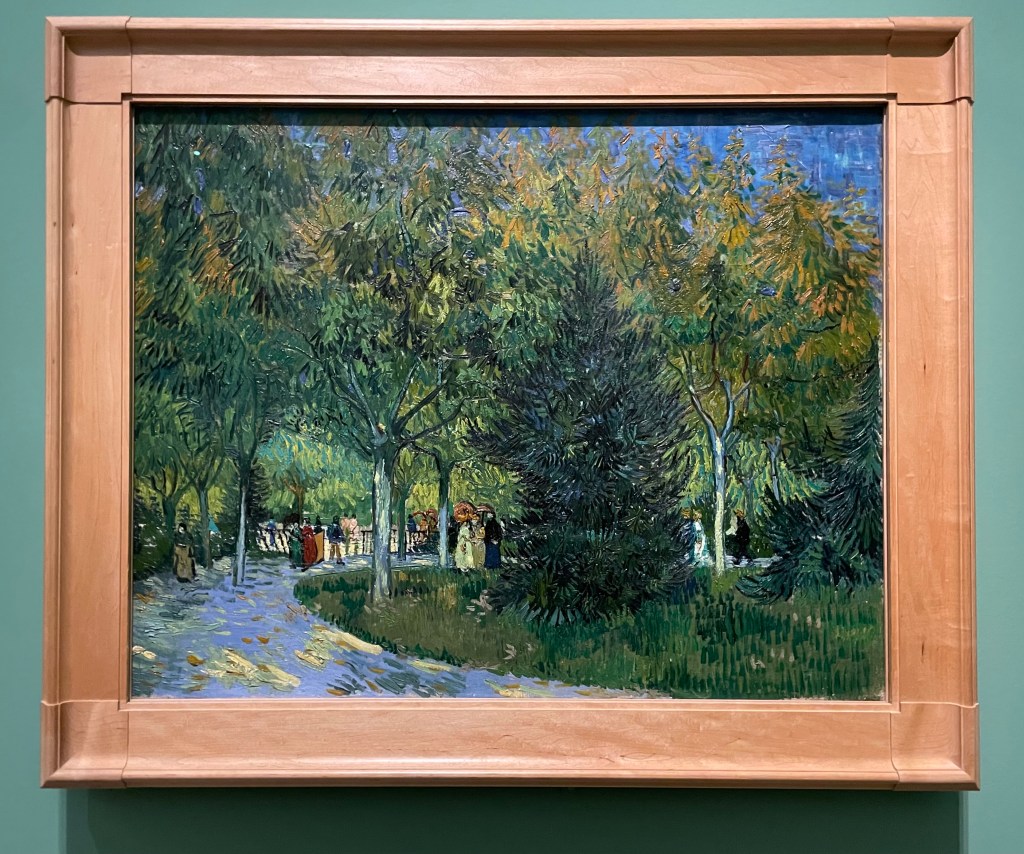
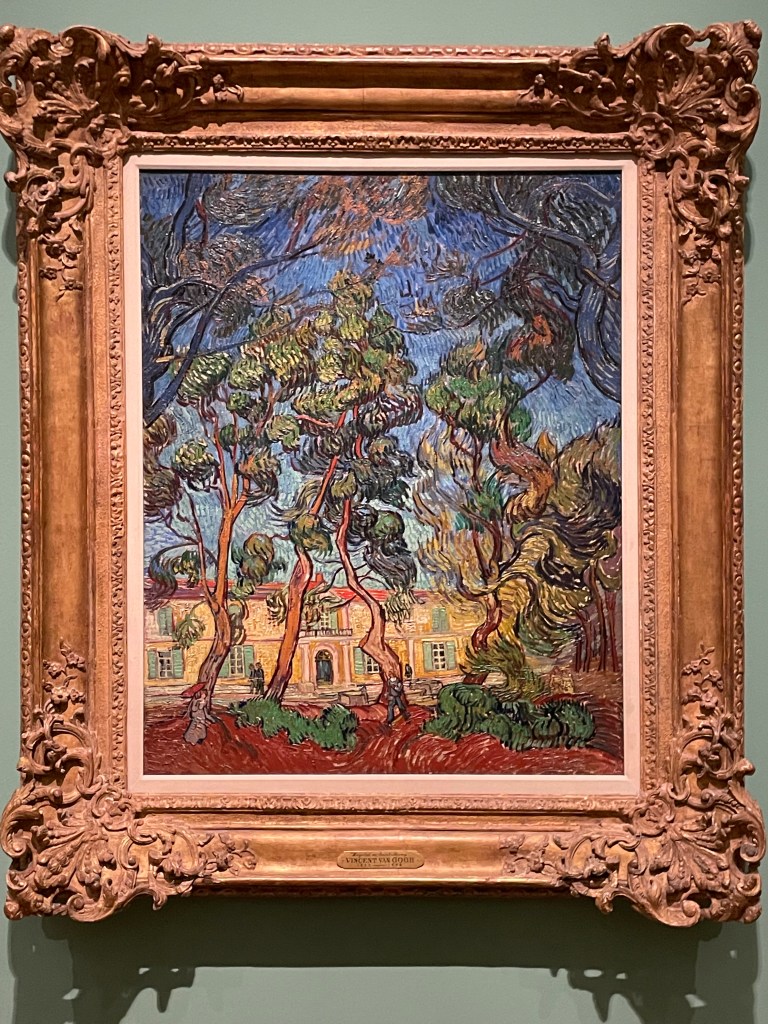
Well, I made it through without a tear. It might have been the sheer number of people which meant that it was impossible to stand and contemplate too deeply, or the audio commentary going on in my ear which distracted me. The ‘Poets and Lovers’ exhibition at the National Gallery was a cornucopia of Van Gogh brilliance, although I was left wondering why it didn’t include some of the Van Goghs I had seen in other galleries, such as the self-portrait with bandaged ear at the Courtauld, but then I don’t have the faintest idea about curation. That said, it didn’t detract from the luscious visual delights on offer, many of which I hadn’t come across before.

What struck me more than anything was the direct correlation between how he drew and how he painted. The range and quality of mark-making was phenomenal. Whilst up close, the brushstrokes and colour palette made me virtually tachycardial, it was standing in the centre of each of the rooms which gave the most rewarding experience.

The only moment when I almost cracked, was when I found myself in front of the Sunflowers from the National Gallery and the Philadelphia Museum of Art: he painted his Sunflower series to decorate his guest room in anticipation of Gaugin’s visit to Arles, in an effort to impress Gaugin, who he greatly admired, almost to the point of obsession. Van Gogh’s sensitivity and vulnerability weren’t a good match for Gaugin who, by some accounts, was aggressive and egocentric, which served only to reinforce Van Gogh’s insecurities. It all made me blink a bit quicker. I have to declare my bias – I’m not a fan of Gaugin for various reasons, not least because he abandoned his wife and five children to go off and indulge his predilection for young girls.

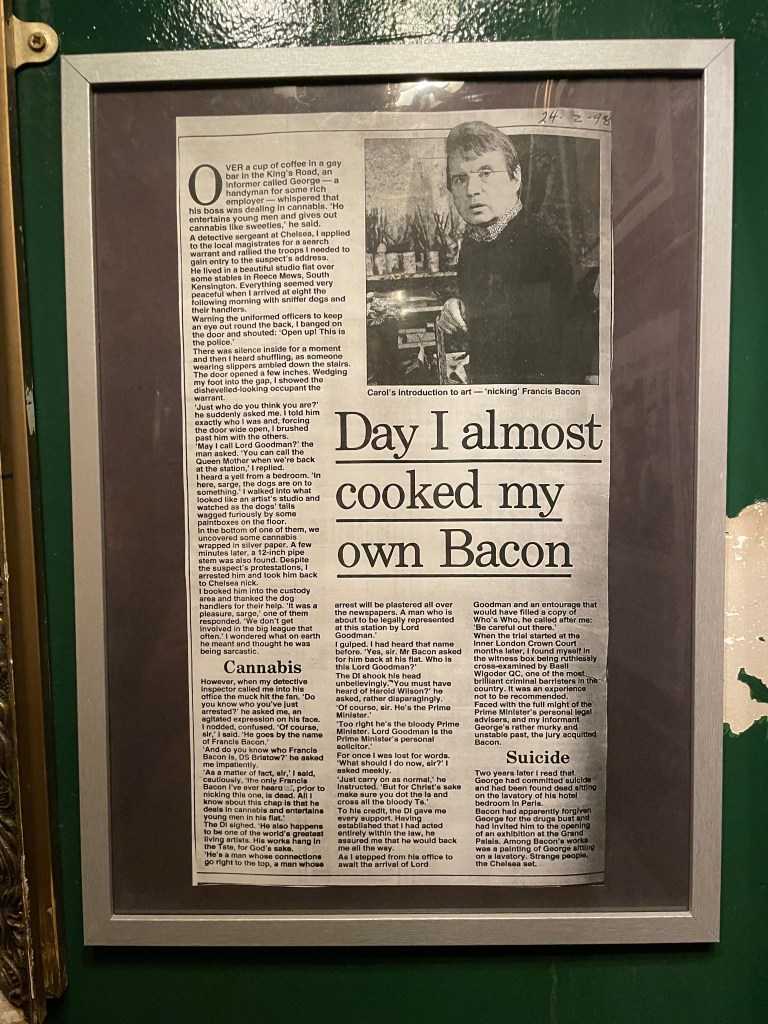
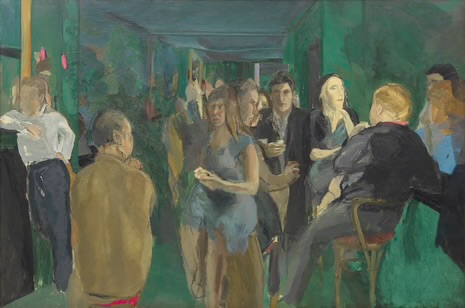
The day was rounded off by a trip to the Colony Room Green, a replica, as near as dammit, of the bohemian Soho legend that was the Colony Room Club which closed down in 2008 after 60 years, and which was the creation of the queen of Soho, Muriel Belcher – apparently, you knew you were in if she called you the ‘C’ word. It was the favourite haunt of creatives such as Francis Bacon, Lucian Freud, John Craxton, Damien Hirst, Tracey Emin, Dylan Thomas, John Deakin, Frank Auerbach, Michael Andrews, Giacometti, and the list goes on. My husband was particularly keen to visit as he’s reading Darren Coffield’s ‘Tales from the Colony Room’.

‘ Francis Bacon was very fashion-conscious and always immaculately dressed. One afternoon Francis walked in, annoyed and pulling his collar. – “What’s wrong, Francis?” – “Harrods, I’m never going back there again.” He’d attended a special night for select clients and bought lots of clothes, but when he’d got back home he’d decided he didn’t like any of them. “I bought so many suits and shirts and threw the lot in the dustbin.” You’d never seen the club empty so quickly. The next day everyone was up the club parading around in their new suits and shirts from Francis’ dustbin.’

Colony Room I, Michael Andrews, 1962

It’s very small and down some stairs underneath Ziggy Green, 4 Heddon Street, a side street off Regent Street. It’s reminiscent of a dive bar/ speakeasy.

It was great meeting Liam, the house jazz pianist and chatting to Tim, the barman who explained that it’s not trying to be a re-creation of the original, but somewhere to come and meet an eclectic mix of people. Despite what he said, I couldn’t help but feel that I had stepped back in time, waiting for the door to open and for one of my artistic heroes or heroines to walk through it. They often have events which are free to attend, such as talks and book launches. Unfortunately, we couldn’t hang around for the Portrait of Muriel Belcher evening.

There’s something very inspiring about the idea of a group of creative people coming together regularly to discuss work, ideas and concepts. I’ll definitely pop back in next time I’m in town, in the hope that something might rub off.

Sniper’s Alley

Well, it’s official – I’m now closer to 60 than I am to 50. Ugh!

I seem to have swapped the paraphernalia of parenthood for a bag of drugs, which I routinely plonk in the tray at airport security, hoping that no-one’s looking too closely – two asthma inhalers (a preventer and a reliever), omeprazole for my acid reflux, progesterone tablets, oestrogen gel, and 4 eipipen adrenaline auto-injectors for my tree nut allergy (yep, sorry – I’m that annoying person who prevents you from eating your nuts with your overpriced inflight drinks).

I’m well and truly in the thick of that period of life known as Sniper’s Alley, when one is constantly dodging the bullets of diabetes, heart disease, stroke, cancer and much more. My mother and her brother both died of oesophageal cancer, their brother basically suffocated to death from ‘pigeon fancier’s lung’, their mother nodded off whilst sitting on her sofa and died of a heart attack, and my father and his mother both died after having strokes. Well, it’s a rather limited menu, but if I really have to choose, I think I’ll go for the sofa option, please!

Having said that, life itself is Sniper’s Alley. I was driving my husband to the train station the other morning; he was late and not a little stressed. The traffic lights changed – shall I be an ambler gambler? I don’t think so. There was a deep sigh and a hand raised to the head on my left as stress levels increased. Luckily the lights changed to green quite quickly. As we rounded the bend, a truck had shed its load of scaffolding poles into our lane, only shortly before. “We could have been under that, had I not stopped at the lights”, I observed.

It was a ‘Sliding Doors’ moment. The idea of an alternative life based on the decisions I have made really intrigues me. To a certain extent, I think that I was meant to make the choices I did, when I did, in a nod to fate, but, nevertheless, imagining my own ‘Midnight Library’ has its attractions.

I recently read a book called ‘The Gentleman from Peru’ by André Aciman. I saw it in Waterstones and bought it just because I liked the cover. A group of American college friends are on a sailing trip in the Mediterranean when there is a problem with their yacht, and they have to stay at a hotel on the Amalfi Coast whilst it is being repaired. They meet an elderly gentleman, and the book centres on their relationship with this mysterious character. During one of their conversations he says:

“We may no longer be the person we once were, but what if this person did not necessarily die but continued his life in the shadowland of our own, so that you could say that our life is filled with shadow-selves who continue to tag along and to beckon us in all directions even as we live our own lives – all these selves clamouring to have their say, their time, their life, if only we listened and gave into them…

…The old self, the new self, the shadow-self, self number seven or eleven, the self we always knew we were but never became, the self we left behind and never recovered, the might-have-been self that couldn’t be but might still be, though we both fear yet hope it might come along one day and rescue us from the person we’ve had to be all our years.

But as I said, it’s not just the past that haunts us. What haunts us with equal magnitude is what has not happened yet, for there are shadow-selves and shadow-lives waiting in the wings all the time. We are constantly reworking or reinventing both the past and the future. Sometimes we’re in the street or in a crowded bus, and we just know: that one day this person whose glance we caught or whose path we just crossed is another version of someone we know we’ve loved before and have yet to love again. But that person could just as easily be us in another body. And the beauty of it is that they feel it just as much as we do. Is this other person us or is it someone destined for us whom we keep missing each lifetime? Us in others, isn’t this the definition of love?”.

How happy am I that my ‘might-have-been’ 18 year old shadow-self has finally caught up, and rescued me? Better late, than never.

Perception Of The Whole

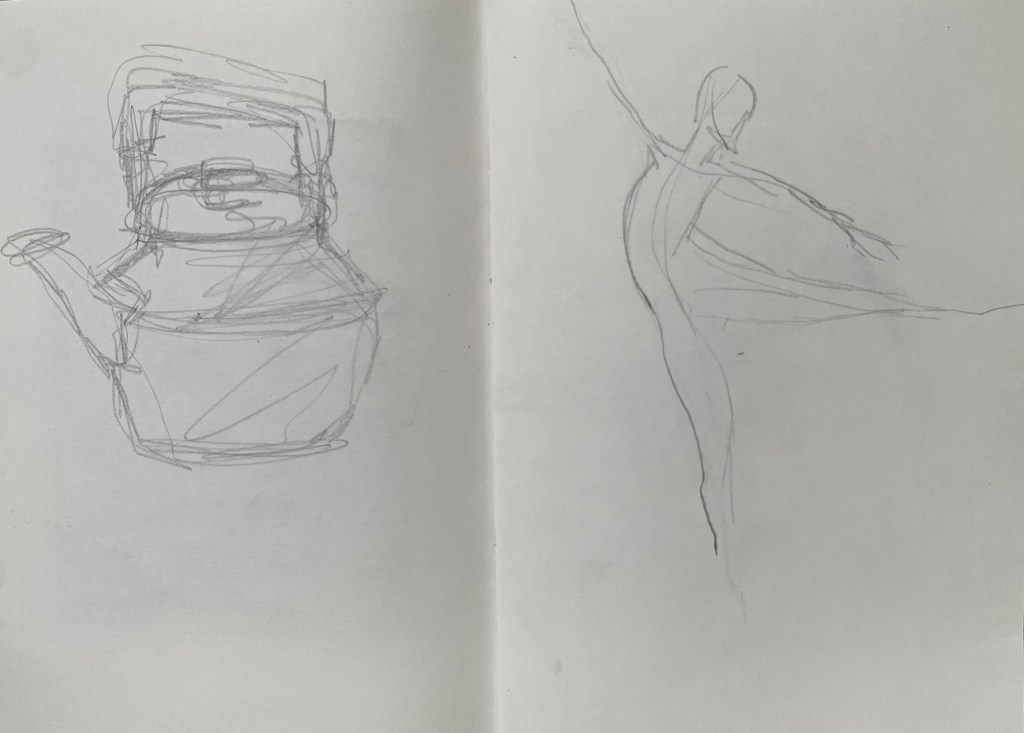
I attended another of Chris Koning’s online drawing workshops this lunchtime. She referenced Kimon Nicolaides’ 1941 book, ‘The Natural Way to Draw’. He says that you need to draw what the object is doing, not what it looks like – gesture drawing.

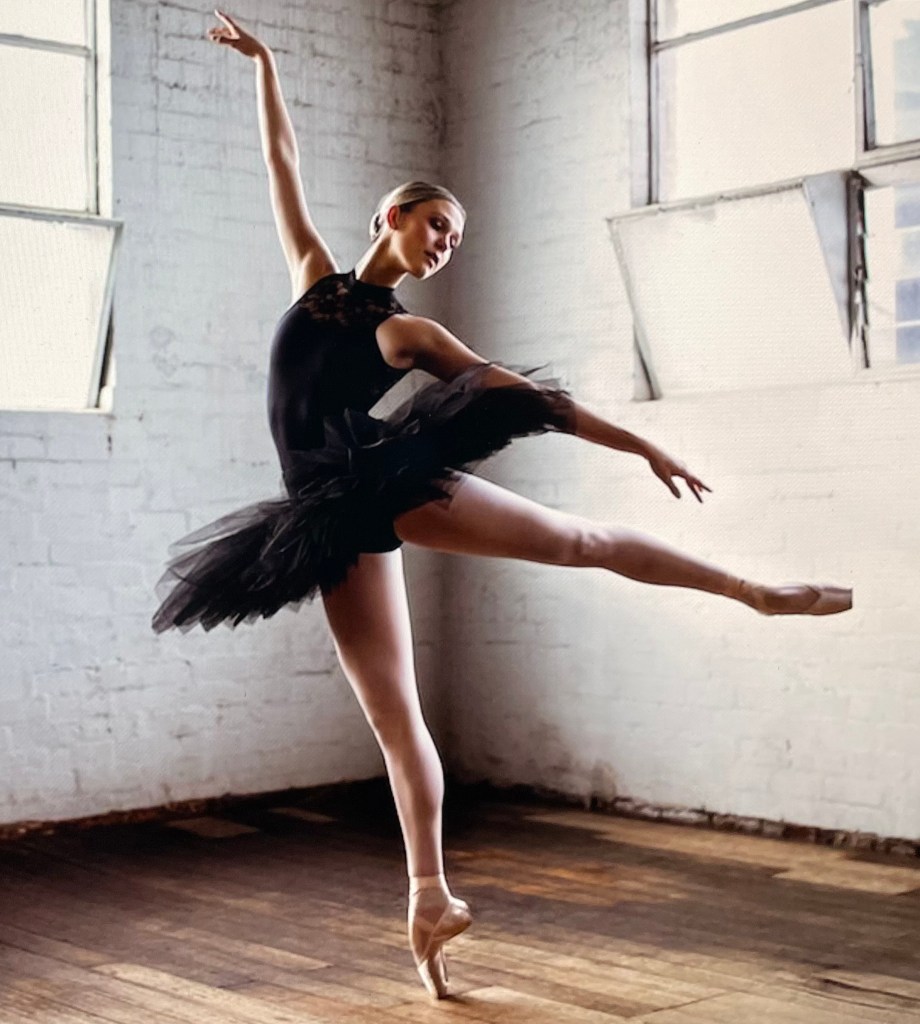
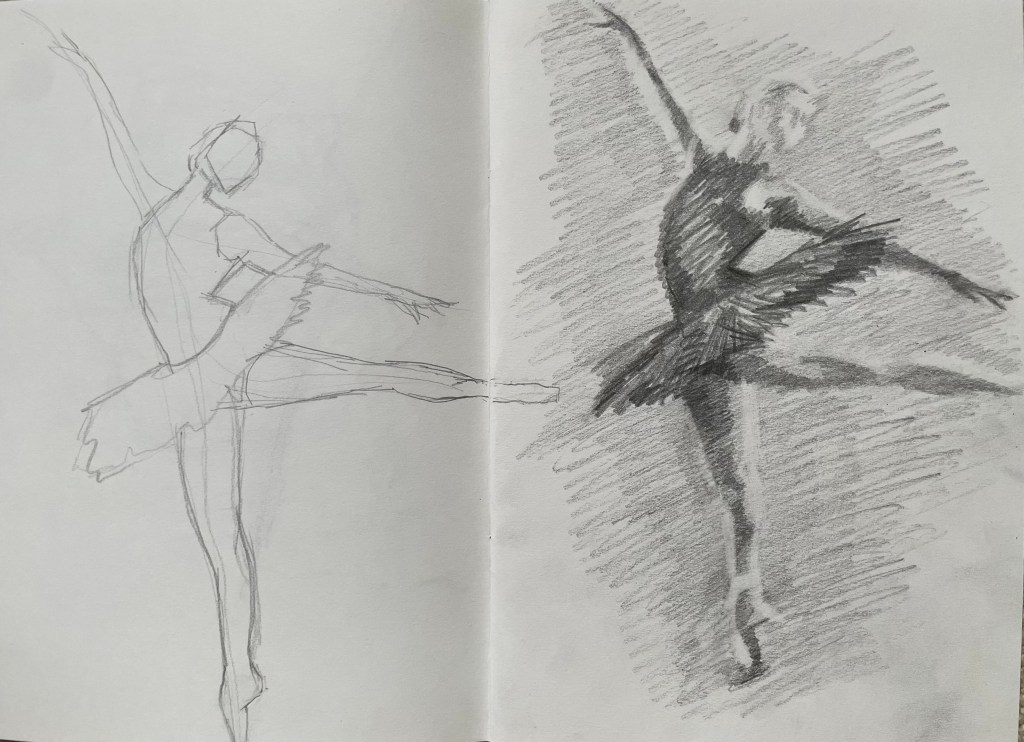
We did a couple of very quick exercises – a quick 30 sec gestural drawing of a kettle starting from the middle rather than the edge, and a dancer using gesture, negative spaces and shading etc.

For some reason I didn’t do one drawing but got sidetracked on looking at shapes and shading. I’m quite pleased with the end result bearing in mind I only had an HB pencil to hand. It was quick and instinctive. I ran out of space as usual. I’m going to concentrate on doing some more drawing. I like the idea of moving continuously without taking the pencil off the paper, looking and editing as I go.

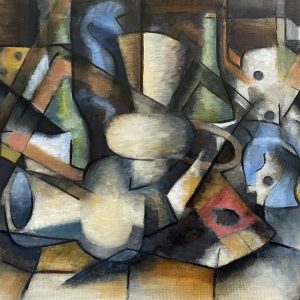
ARTificial Intelligence

In our session this week we looked at AI image generation, in particular, how the tools are trained by using a huge number of datasets created by scraping data from the internet; the impact of this form of training including bias and breach of IP rights; its ethical and environmental impact; and the effect on us, as artists, in terms of our own relevance, the potential use of our work as training input, and our ability to use AI to create output in our artistic practice.

It is astonishing how quickly this area is developing. However, until it reaches a stage whereby AI can create an image in which there is human emotion and imperfection, we probably won’t become obsolete just yet.

Being from a legal background, I was particularly interested in the issues that generative AI tools have thrown up in terms of intellectual property rights. The main issues seem to be the potential breach of copyright in both the collection of data for training, and the output created, as well as the question as to who owns the output and whether it should itself be protected by copyright.

The problem with data scraping is that whilst the data is widely available in the public domain, this doesn’t mean that it can be copied and used without limitation (in the UK the only current exception to copyright protection in respect of text and data mining is for non-commercial research). This could mean that any images of artwork which I have produced, and which are publicly available on the internet, could be used to train generative AI and, consequently, could possibly form part of an output image generated by a third party, despite the copyright in the original image belonging to me. It’s a contentious issue, and there is lots of litigation going on at the moment across numerous jurisdictions including the UK and the US. In the UK, Getty Images has taken action against Stability AI for using millions of Getty Images to train its Stable Diffusion tool. Claims have similarly been made in the US against Meta, Midjourney and Anthropic, amongst others.

Another related issue, is that generative AI platforms will generally reserve the right to use any input or prompts from users to improve the performance of the tool, which could have implications in terms of privacy and confidential information.

Whilst it is unlikely that generative AI will create images which are exact reproductions of copyrighted images which have been used for training or as input, should there be sufficient similarity, there may be a potential breach of IP, but this will depend on an assessment being made in each case. It will also depend on being able to pinpoint where the content has come from, bearing in mind the huge number of resources across many jurisdictions. As part of their case with Getty Images, Stability AI are relying on the defence of fair dealing, as well as that of parody, caricature and pastiche i.e. that the image generated is not a replacement for the original image but a pastiche, and so it does not affect the market for the original image or its value. It probably didn’t help that in this case that some of the output images contained parts of the Getty Images watermark. This case is destined to be a trailblazer, but we won’t know the outcome until the middle of next year.

It is theoretically possible that an image created by prompts and inputs from a user of generative AI is capable of being owned by the user. However, the user cannot assume that they own the content or that they are able to use it as they wish. Firstly, who is the owner of the created image varies from country to country. Secondly, the terms and conditions of the platform may determine ownership and rights e.g. Midjourney’s terms and conditions, whilst providing that the user owns the created image, state that by using the service, the user grants Midjourney and all its affiliates etc. extensive rights in relation to the output image to reproduce and sub-license it etc. at no charge, and royalty free.

In the UK, the author of original literary, dramatic, musical or artistic work owns the copyright in that work, unless it was created in the course of employment or by way of commission. There is no need for registration in order for the work to be protected, unlike in the US where it has to be registered with the Copyright Office. In fact, the UK is one of the few countries which recognise copyright protection for computer generated works. However, for the work to be original it must be the author’s intellectual creation and reflect their personality. It is not clear how this might be applied in the context of work created by AI. Furthermore, the ‘author’ is the person by whom the necessary arrangements for the creation of the work are undertaken. So, who is that? The user who specifies the prompts, or the person who created the AI tool? This issue is likely to be decided on the facts of each case, including the T&Cs of the platform.

It’s all very much up in the air, and destined to become even more complicated, the more sophisticated generative AI becomes. For the time being, as artists it would be a good idea to take the precaution of reading the small print of the platform being used, keeping detailed records of the process being used including all the prompts in response to which the image was generated.

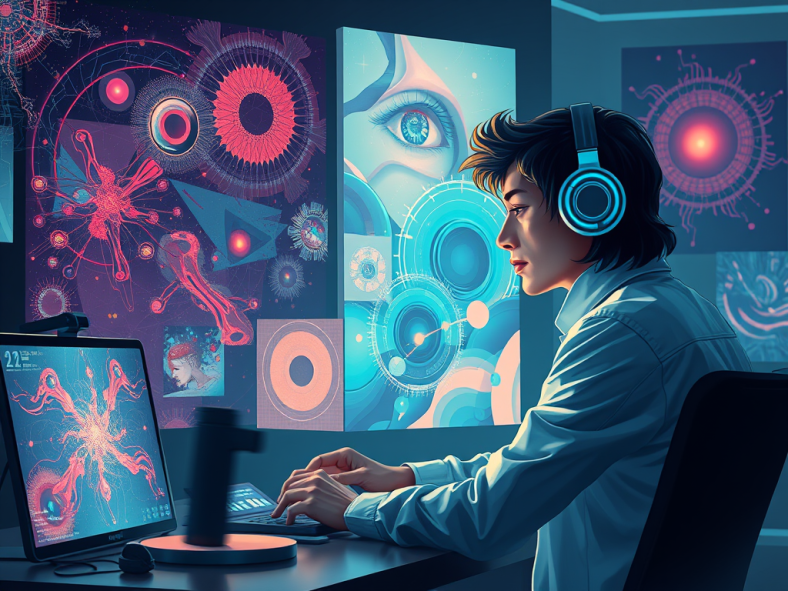
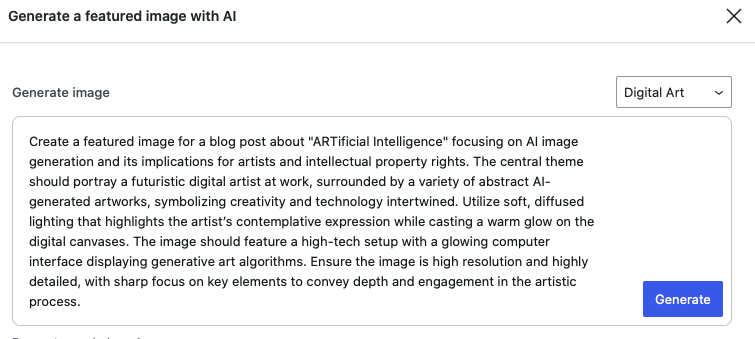
Whilst writing this post, I noticed the WordPress AI Assistant. It created the image at the top of this post after generating the following prompt based on the contents.

I’ll finish with Alan Turing’s warning which he gave in a lecture in 1951:

” Once the machine thinking method had started, it would not take long to outstrip our feeble powers. At some stage, therefore, we should have to expect the machines to take control.”

A Wobble

I’ve often suffered from buyer’s remorse; the last time it happened was when I bought my new rug in Marrakech. Did I just buy it in the fervour of the moment? Would it actually fit in at home? How was I going to get it back home on the plane? Would it fit in my suitcase? Did I pay too much? I did haggle for it, but did I haggle enough? Had someone else bought something similar and paid a lot less? If they had, how would that make me feel? Whilst I appreciate that the worth of something is what someone is prepared to pay for it, everything is so much simpler and fairer when there is a fixed price.

I experienced a new feeling recently – blogger’s remorse. Should I have posted ‘Three Conversations With My Mother’? In the moment it felt right, but as is always the case with me, the doubt started to creep in. The phrase ‘act in haste, repent at leisure’ could have been coined for me.

I’ve already mentioned that I seem to be a person of extremes – I’m either very guarded or a total oversharer, particularly after a couple, after which I’m plagued by cringe inducing thoughts. I had one such cringe whilst having a shower the other morning. I suddenly thought, everyone who sees my blog (I’m not kidding myself – it’s not that many!) now knows the most personal information about my relationship with my mother in her last days. Also, how would I feel if I saw my images elsewhere in the public domain? In all honesty, I felt a bit panicky and decided just not to think about it.

But not thinking about things and hoping they will just go away is not an answer. So, later that day I decided that I would process this sudden feeling of regret. I’ve always known, in the back of my mind, that I have to deal with that period of my life in order to move forward. Memories of it have taken my head hostage and I needed to offer a swap – somewhere else for them to inhabit, to free up my mind so that I have the space to remember all that was good. In essence, I have emotionally vomitted the negative and harmful feelings onto the page, and I can now look at them and still feel the way I did, but when I put them away, hopefully, they will stay away.

This course is a once in a lifetime opportunity for me, and I need to wring everything I possibly can out of it. I’m trying to find out who I am, and in so doing I need to be fully committed to the process. To avoid sharing parts of my life because they are too personal would be to cheat myself, and so, I’m all in.

The Cost Of Living

One of my favourite actresses, Lesley Manville, was on Desert Island Discs a few weeks ago. On her divorce from one of my favourite actors, Gary Oldman, who left her a few months after she had given birth to their son, she said:

“I thought we’d be together forever and have a big family. But maybe if that had happened, maybe, I wouldn’t have had the career I have now. I think I’d have given up a lot for a good long marriage, but the price would have been something – I don’t know what.”

This reminded me of ‘The Cost of Living’ by Deborah Levy, in which Levy refers to the relationship between the French philosopher and writer, Simone de Beauvoir, and the American writer, Nelson Algren.

“Algren had written to her when he feared their transatlantic love affair was ending, to tell her the truth about the things he wanted: ‘a place of my own to live in, with a woman of my own and perhaps a child of my own. There’s nothing extraordinary about wanting such things.’

No, there is nothing extraordinary about all those nice things. Except she knew it would cost her more than it would cost him. In the end she decided she couldn’t afford it.”

‘The Cost of Living’ was my choice of inspirational text for our last session.

After listening to the actress, Billie Piper, speaking about it, coincidentally on Desert Island Discs, I thought I would give it a go. I have re-read it many times since, and gifted copies to friends at every opportunity.

Deborah Levy is South African by birth; her father was a political activist who had been imprisoned during Apartheid. The family subsequently relocated to England when she was nine years old.

It’s the second book in a series of three living autobiographies. It covers the period in her life when her marriage fell into difficulties, although her career was on the up having been shortlisted for the Booker Prize. She decided that her marriage was a boat to which she didn’t want to swim back, and so she and her husband divorced. Her family home life no longer fulfilled her need to create, and so it was slowly dismantled.

We sold the family house. This action of dismantling and packing up a long life lived together seemed to flip time into a weird shape; a flashback to leaving South Africa, the country of my birth, when I was nine years old and a flash-forward to an unknown life I was yet to live at fifty. I was unmaking the home that I’d spent much of my life’s energy creating.

To strip the wallpaper off the fairy tale of The Family House in which the comfort and happiness of men and children have been the priority is to find behind it an unthanked, unloved, neglected, exhausted woman. It requires skill, time, dedication and empathy to create a home that everyone enjoys and that functions well. Above all else, it is an act of immense generosity to be the architect of everyone else’s well-being… To not feel at home in her family home is the beginning of the bigger story of society and its female discontents. If she is not too defeated by the societal story she has enacted with hope, pride, happiness, ambivalence and rage, she will change the story… To unmake a family home is like breaking a clock. So much time has passed through all the dimensions of that home. Apparently, a fox can hear a clock ticking from forty yards away. There was a clock on the kitchen wall of our family home, less than forty yards from the garden. The foxes must have heard it ticking for over a decade. It was now all packed up, lying face down in a box.”

There was a cost to this freedom; this way of living. She moves into a small sixth floor flat at the top of a hill in North London with her daughters and has to teach, and write pieces which she wouldn’t ordinarily choose to, in order to earn a living. She finds that she can’t write in the flat: she needs her own space, so she rents her friend’s garden shed in which she wrote this book and two others.

“It was calm and silent and dark in my shed. I had let go of the life I had planned and was probably out of my depth every day. It’s hard to write and be open and let things in when life is tough, but to keep everything out means there is nothing to work with.”

The book also deals with the death of her mother from cancer. This resonated with me profoundly when I re-read the book after the death of my own mother. There is a moving account of Levy having a meltdown in a local newsagents which had run out of the ice lollies which had been keeping her mother going, as well as her subsequent apology to the three Turkish brothers who owned it.

Another poignant moment is when she reflects on a postcard received from her mother:

“Love did find its way through the on and off war between myself and my mother. The poet Audre Lorde said it best: ‘I am a reflection of my mother’s secret poetry as well as of her hidden angers.’… My mother had made a biro’d X on the front of the postcard and written’ X is where I am’… It is this X that touches me most now, her hand holding the biro, pressing it into the postcard, marking where she is so that I can find her.”

She goes on to say:

“I lost all sense of geographical direction for a few weeks after my mother’s death. I was disorientated, as if some sort of internal navigation system was drifting… It was she who had raised her children and most childhood memories were twinned with her presence on earth. She was my primal satnav, but now the screen had gone blank.”

I love her way of writing: she can create an impactful image with a few words. Whilst on Eurostar to Paris, she is talking to a teenager sitting next to her, who is using a laptop to learn French, when a man gets on the train and asks the teenager to make space on the table.

” She moved it to her lap. This was a small rearrangement of space, but its outcome meant she had entirely removed herself from the table to make space for his newspaper, sandwich and apple.”

When she is asked to provide a list of the minor and major characters in one of her novels for film execs looking to option it, Levy considers the minor and major characters in her own life.

“If I ever felt free enough to write my life as I felt it, would the point be to feel more real? What was it that I was reaching for? Not for more reality, that was for sure. I certainly did not want to write the major female character that has always been written for Her. I was more interested in a major unwritten female character.”

And that is what I take away from this book, what inspires me: I should be the major character in my own story. It is for this reason that I am on this course, that I am making a change and adopting a new way of living.

This struck a chord with Dalal, who has been thinking a lot recently about the possibility of marriage and family, but is concerned how this might fit in with her need to be an artist. Alex had already established herself as an artist by the time she married and had a family, so her artistic practice had already marked out its boundaries. Pritish is not thinking long-term: his main concern at present is to concentrate on his artistic practice.

I was fascinated to hear about what inspires everyone else. Pritish is inspired by London, in particular, he likes the anonymity it provides and he referenced the photographer, John Deakin; Dalal is inspired by Kerouac’s ‘Satori in Paris’, Murakami’s ‘South of the Border, West of the Sun’ and Muayad H Hussain’s thesis on Khalifa Qattan and circulism; and Rachel Whitehead’s Turner Prize winning House (1993) inspires Alex, a sculpture formed from a concrete cast of the inside of a house condemned for destruction – something made out of nothing containing the past life of the house and its inhabitants, without utility but fascinating.

Now that I have cast myself as the main character in my story, how do I play her?