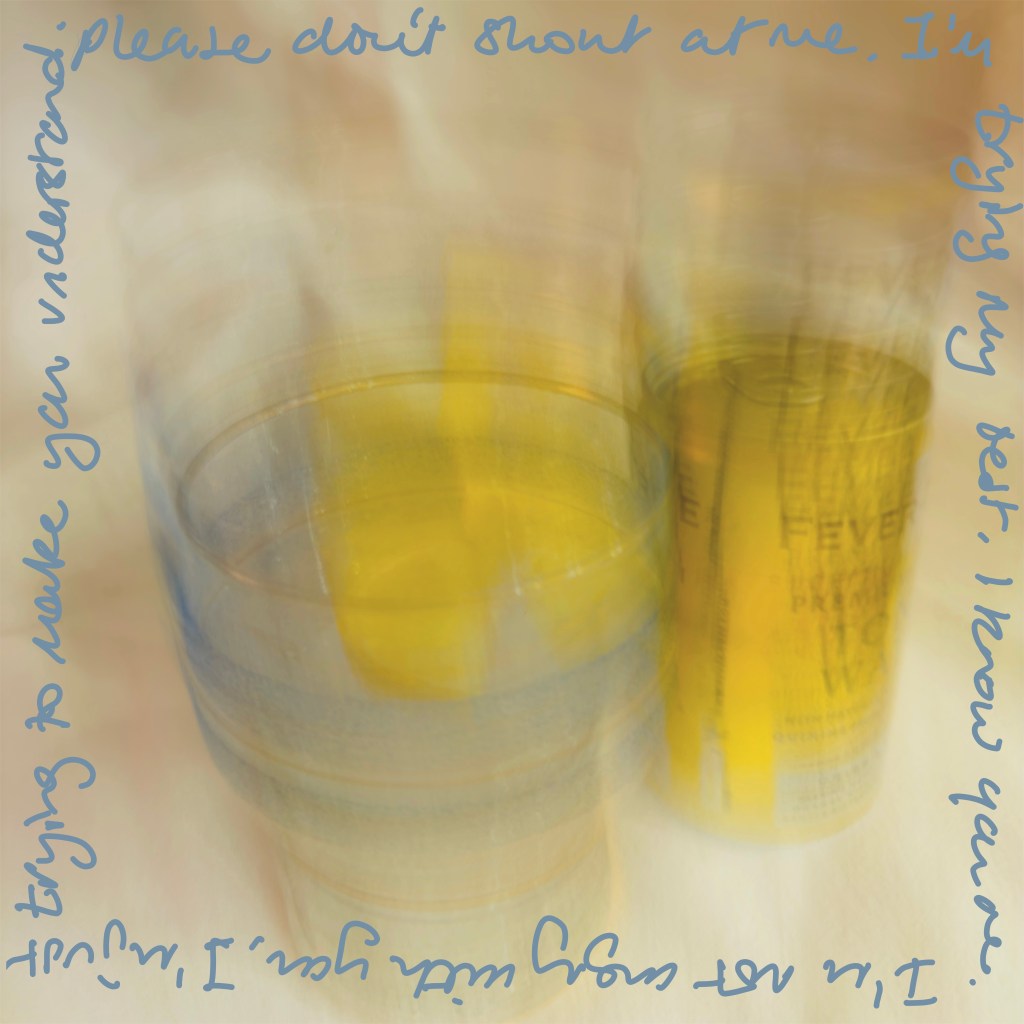
Reflecting on Reflecting

It has been a busy few weeks: the print sale, Research Paper, blog curation and 3-minute video.

Making the video was quite challenging. I started by selecting all of the images that I wanted to include and then I decided what to say. It was far too long. So I decided to change tack and think about what I wanted to say and then choose the images which best demonstrated the narrative. It was a good exercise in distilling everything down into a short space of time; of focussing the mind on what is important.

After such a spate of activity I would usually reward myself with a bit of a rest, but funnily enough I don’t feel like that – I feel energised, and with a sense of purpose. In my Unit 1 Feedback I was advised that I would broaden in scope and then narrow back down, and I think that this last unit has brought about some clarity for me, not necessarily in terms of the breadth of my practice but in terms of its future development. I’m feeling positive and I’m looking forward to tying up some loose ends and producing work which encompasses what I have discovered so far and which is not necessarily finished, but more resolved than it has been up until now.

Mapped

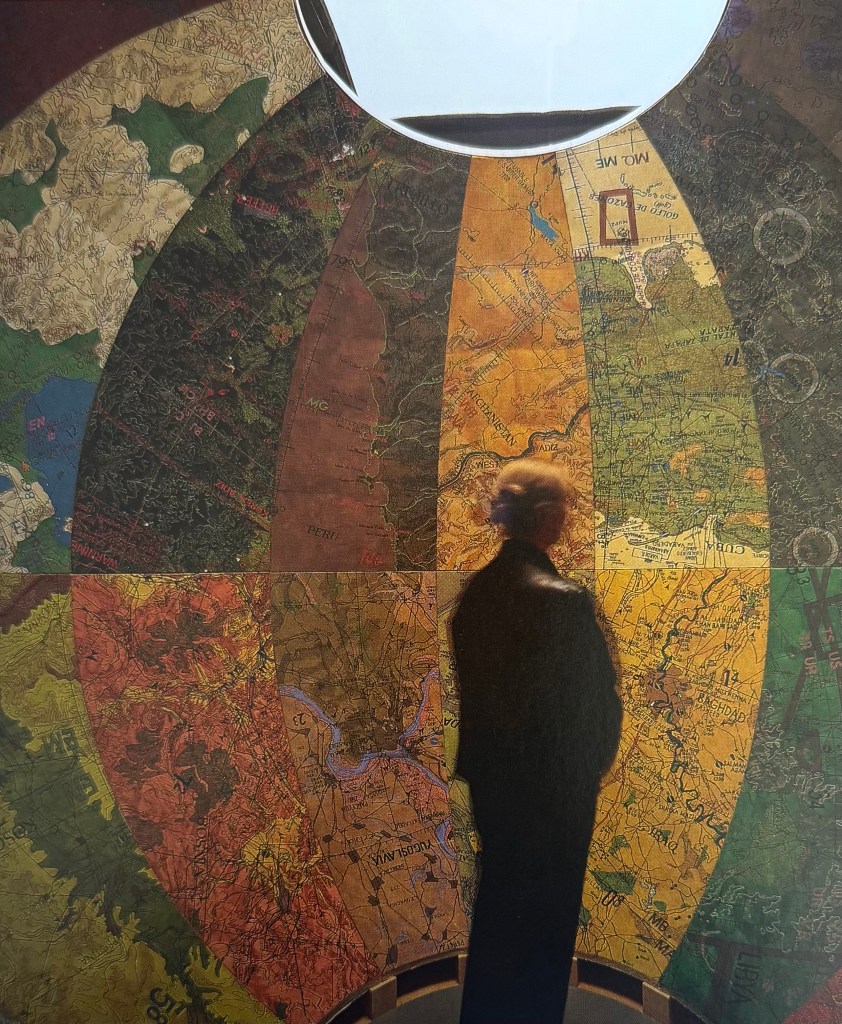
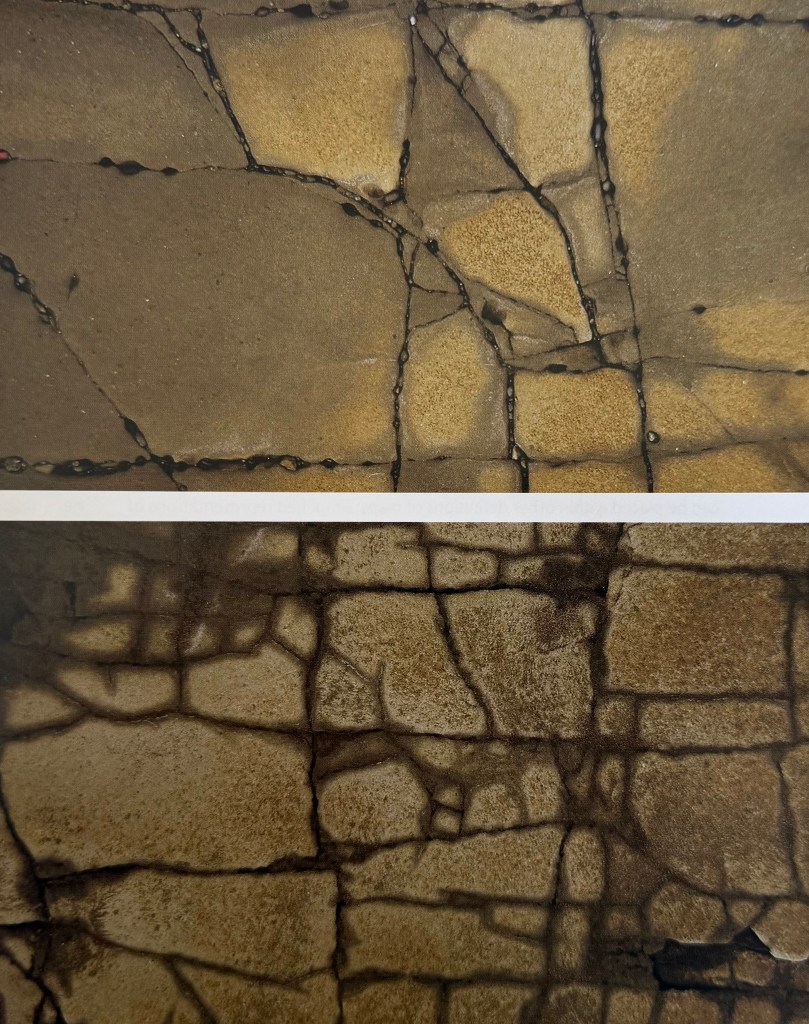
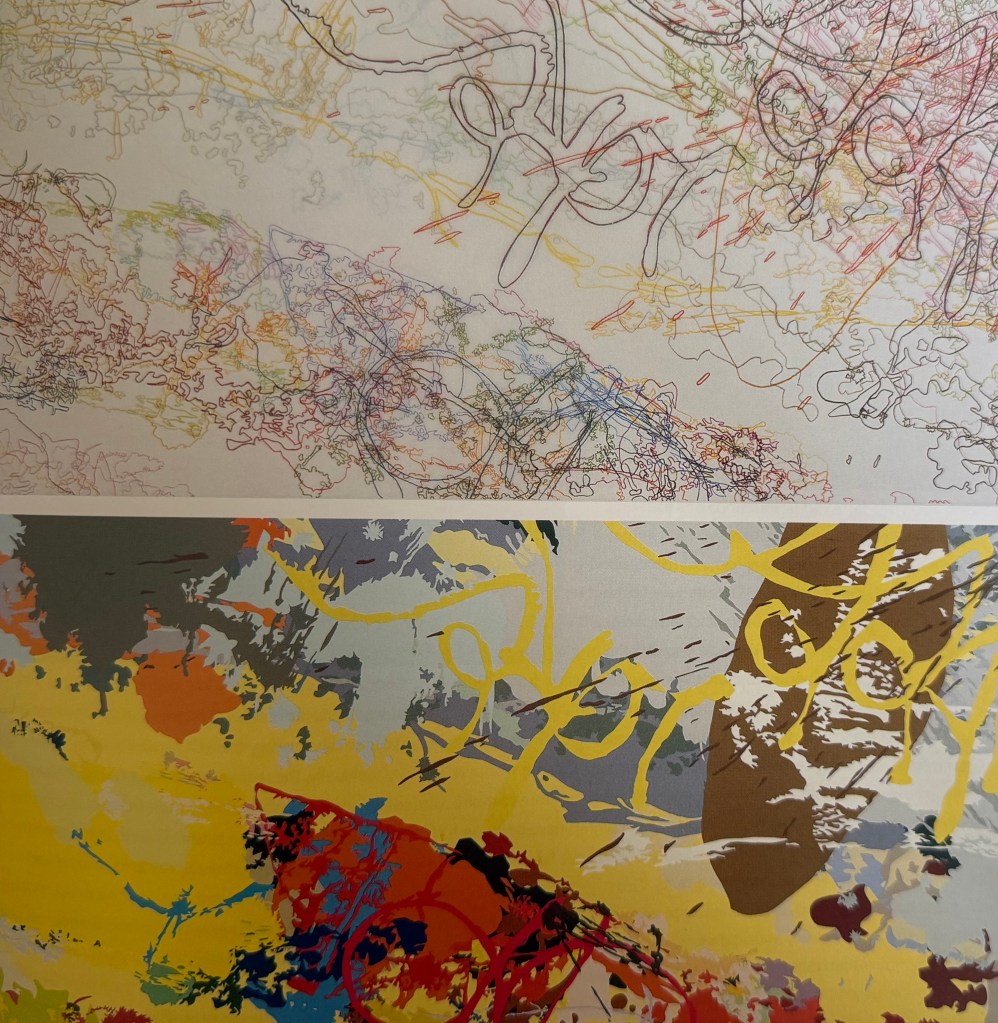
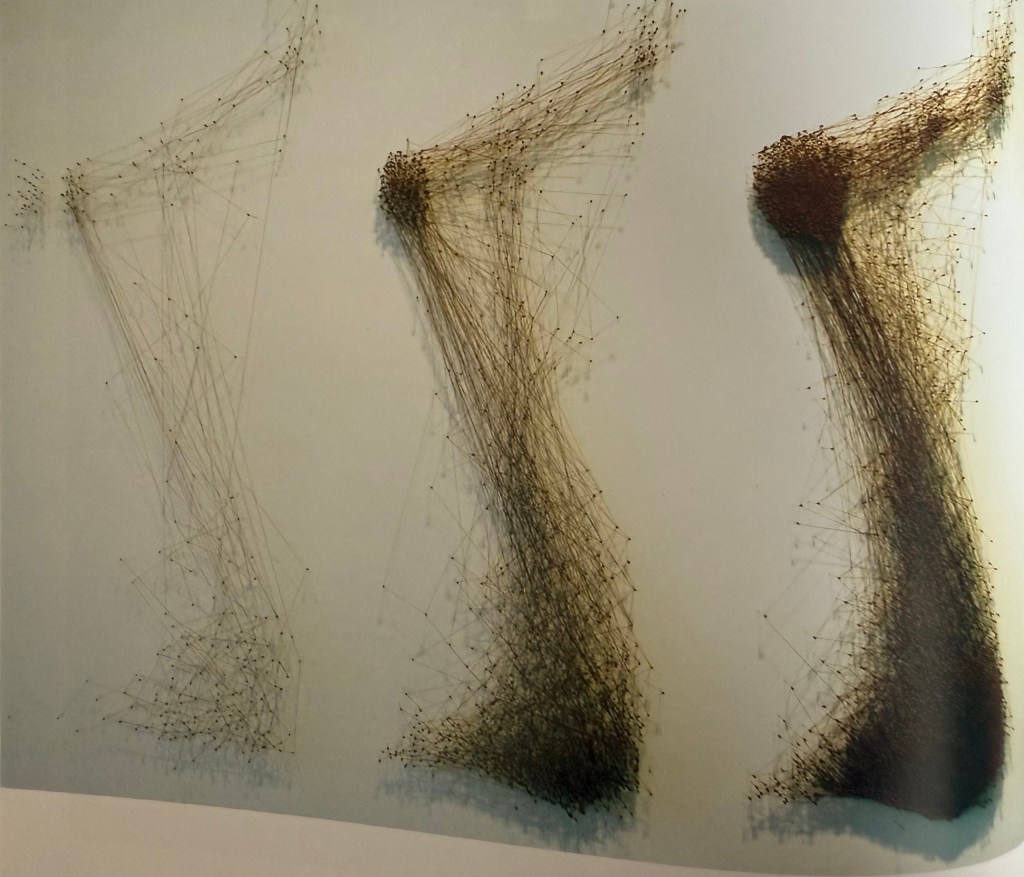
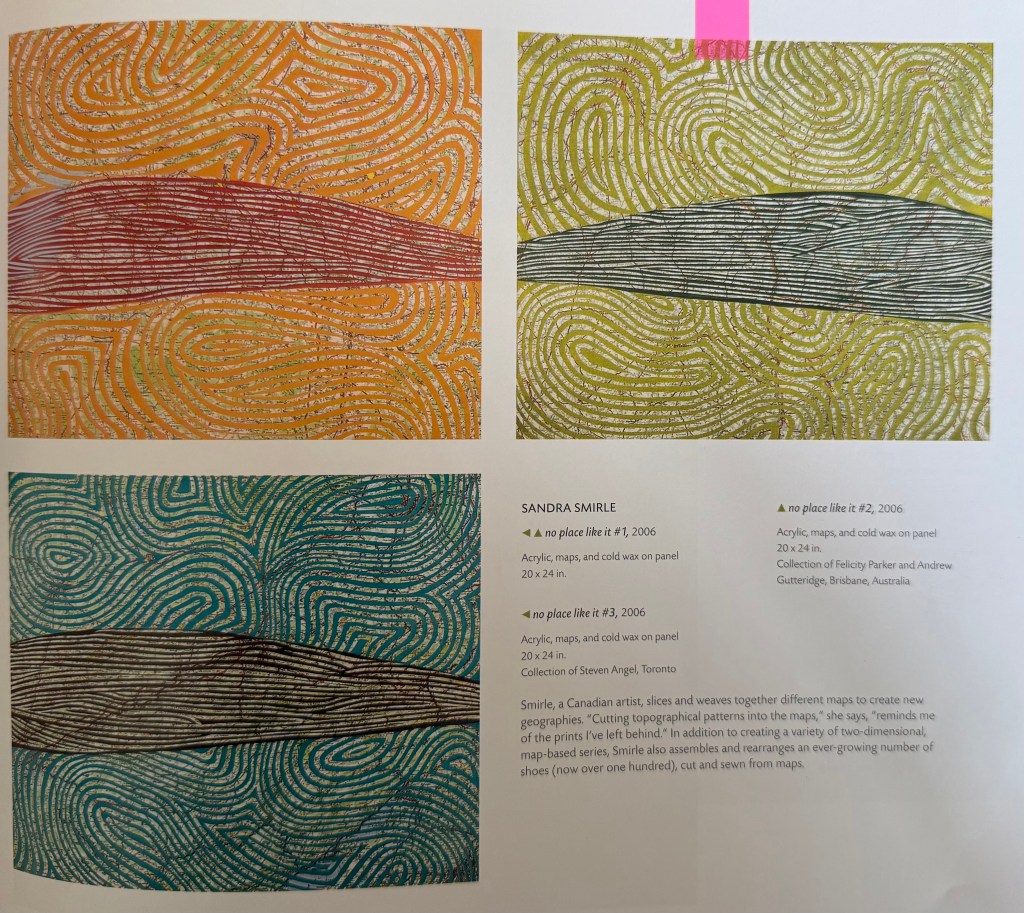
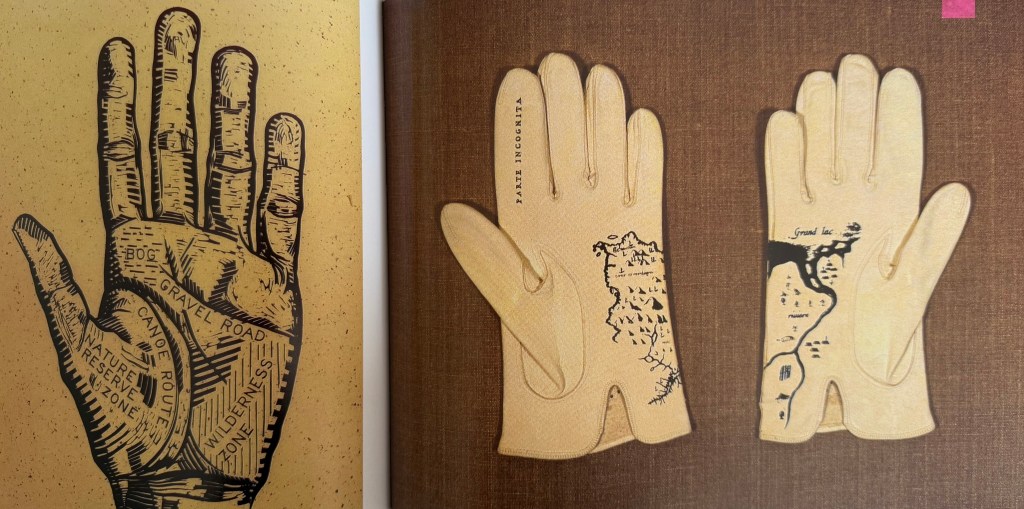
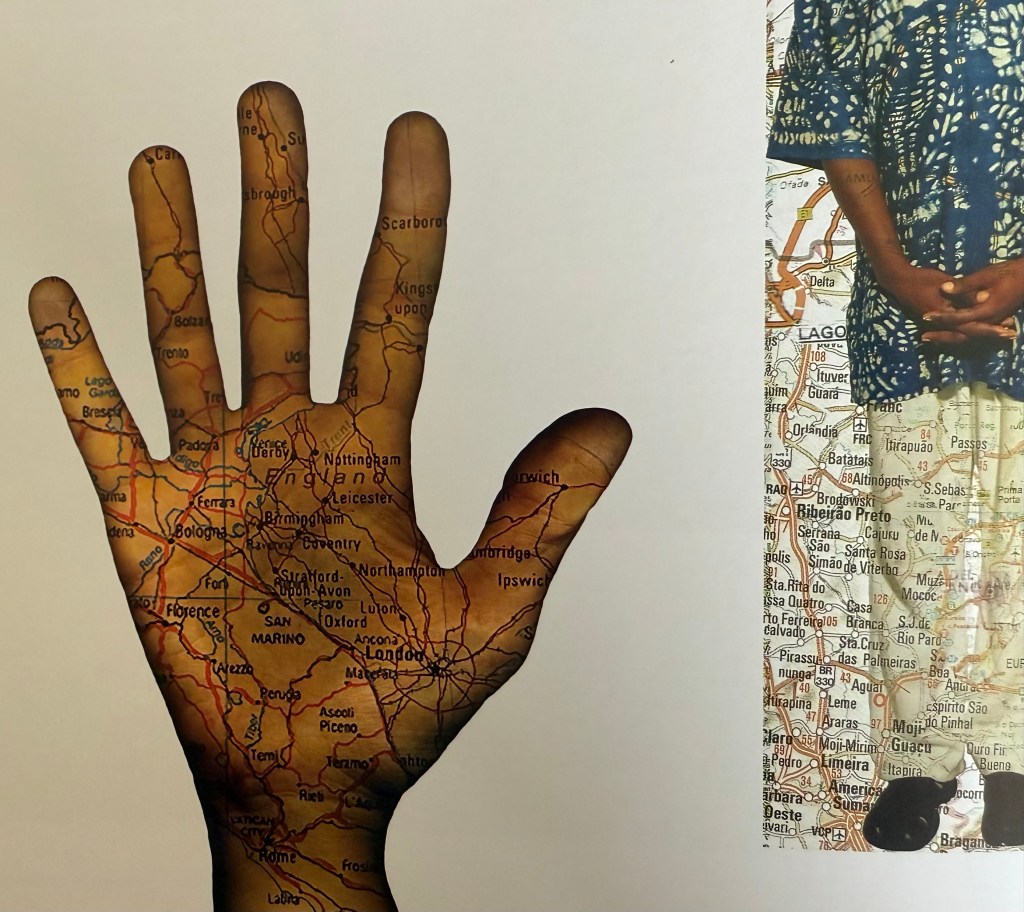
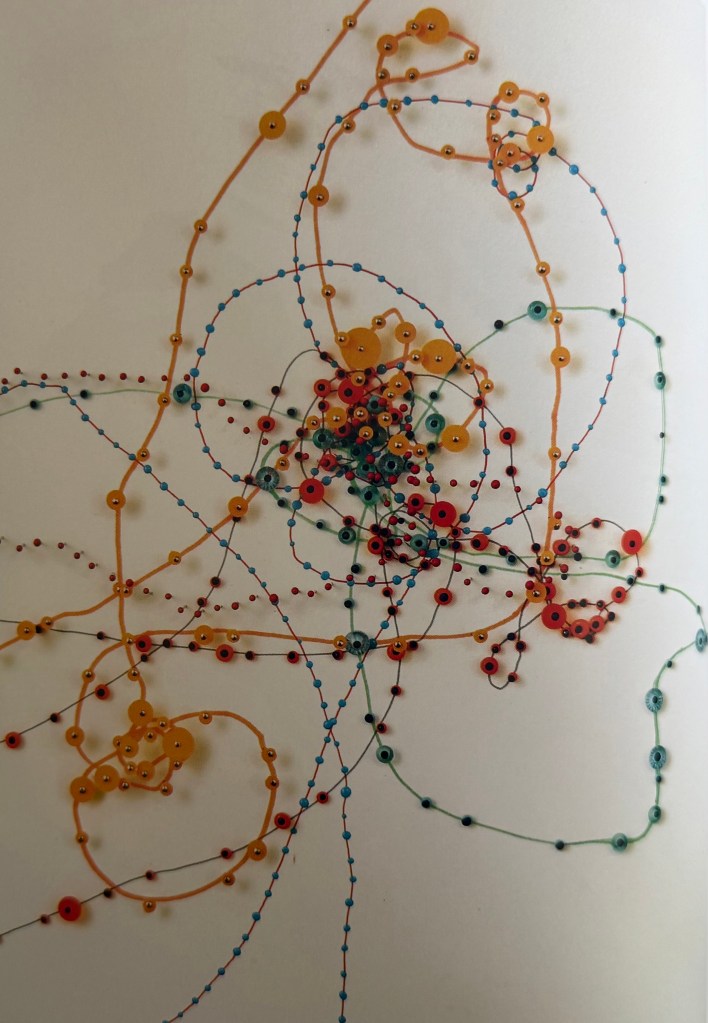
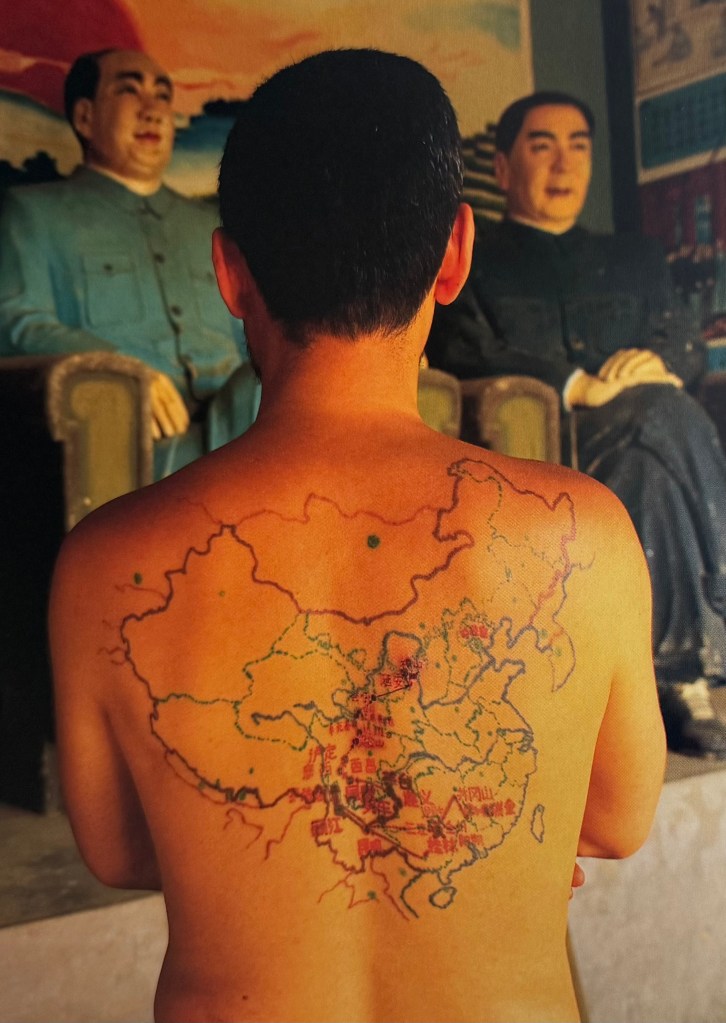
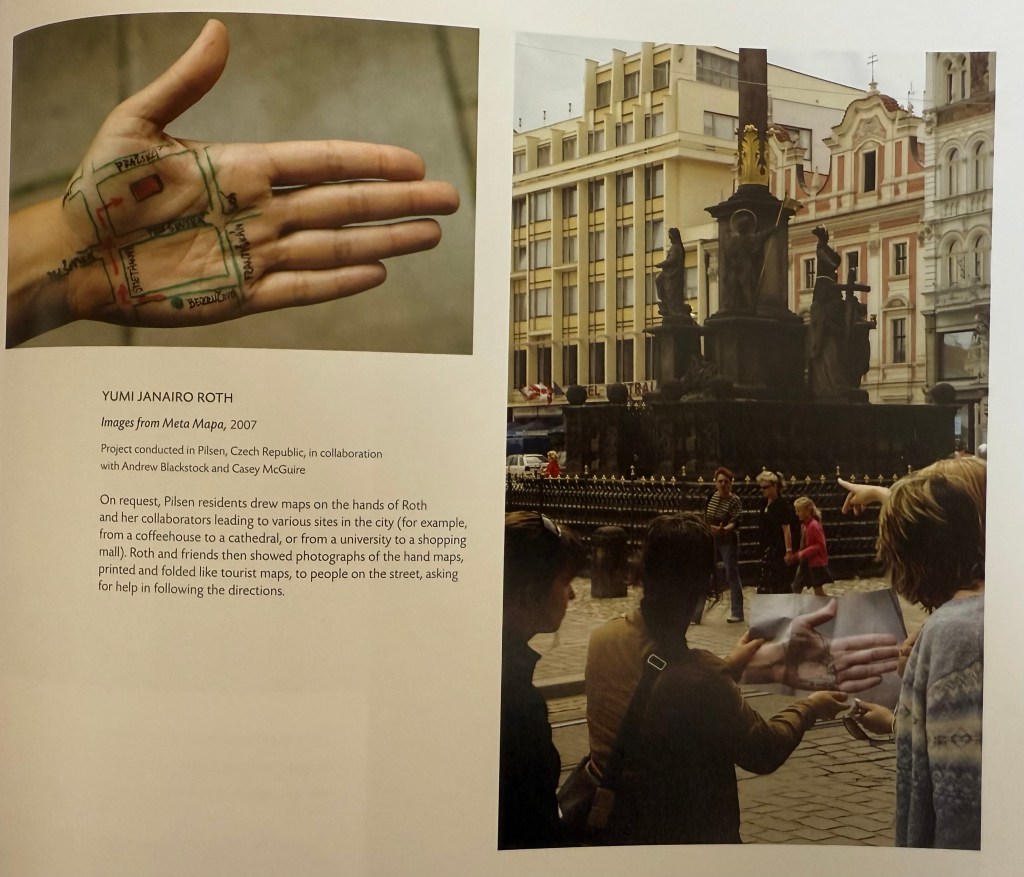
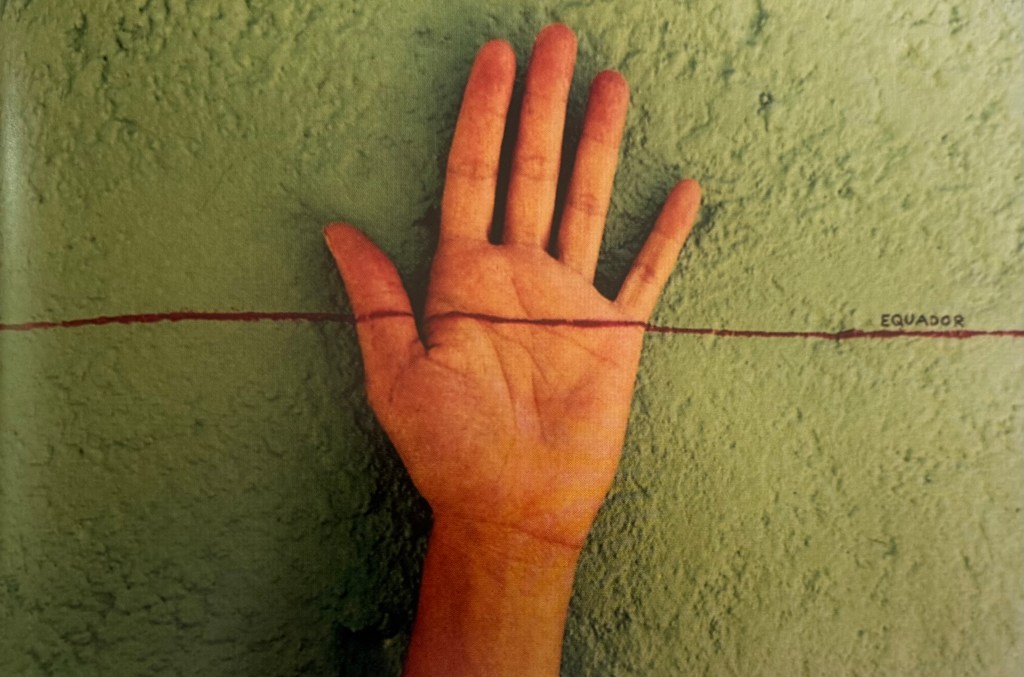
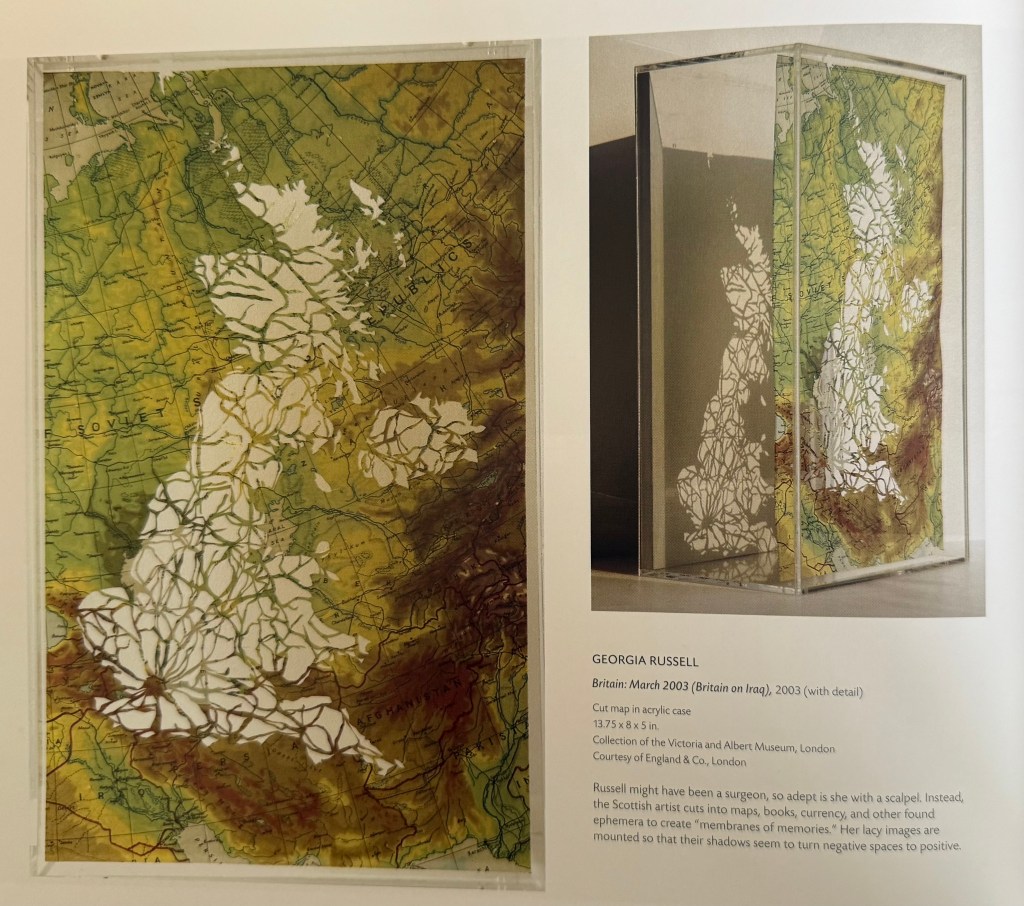
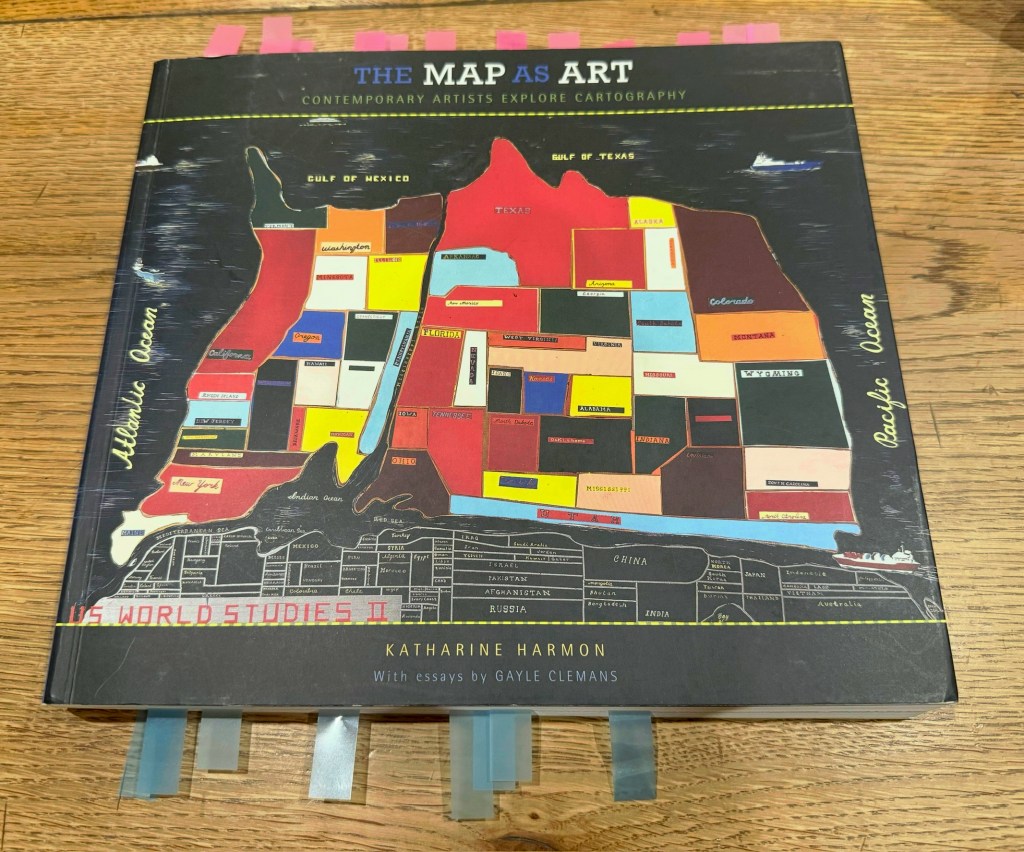
As part of my research I read ‘The Map As Art’ by Katharine Harmon.

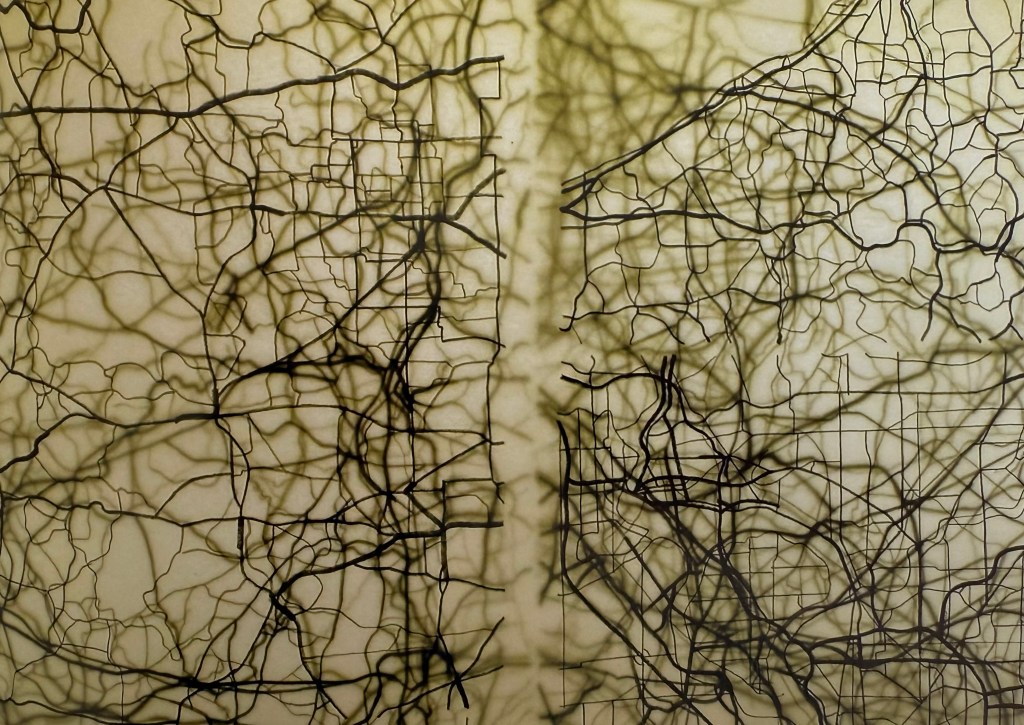
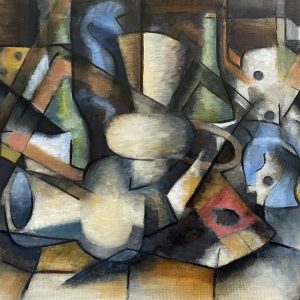
Whilst my research ultimately went off in a different direction, below are some of the images which stood out to me and which might influence some of my work going forward, but maybe not the tattoo.

But even as I’ve been flicking through the book to get the artists’ details there are others which catch my eye. I think this is a book that I will keep coming back to.

Summer II

I’m now playing catch up, tying up all the loose ends from the summer, which now seems an age away.

Once I’d seen Bourgeois’ ‘Maman’ I had a wander around the rest of Tate Modern.

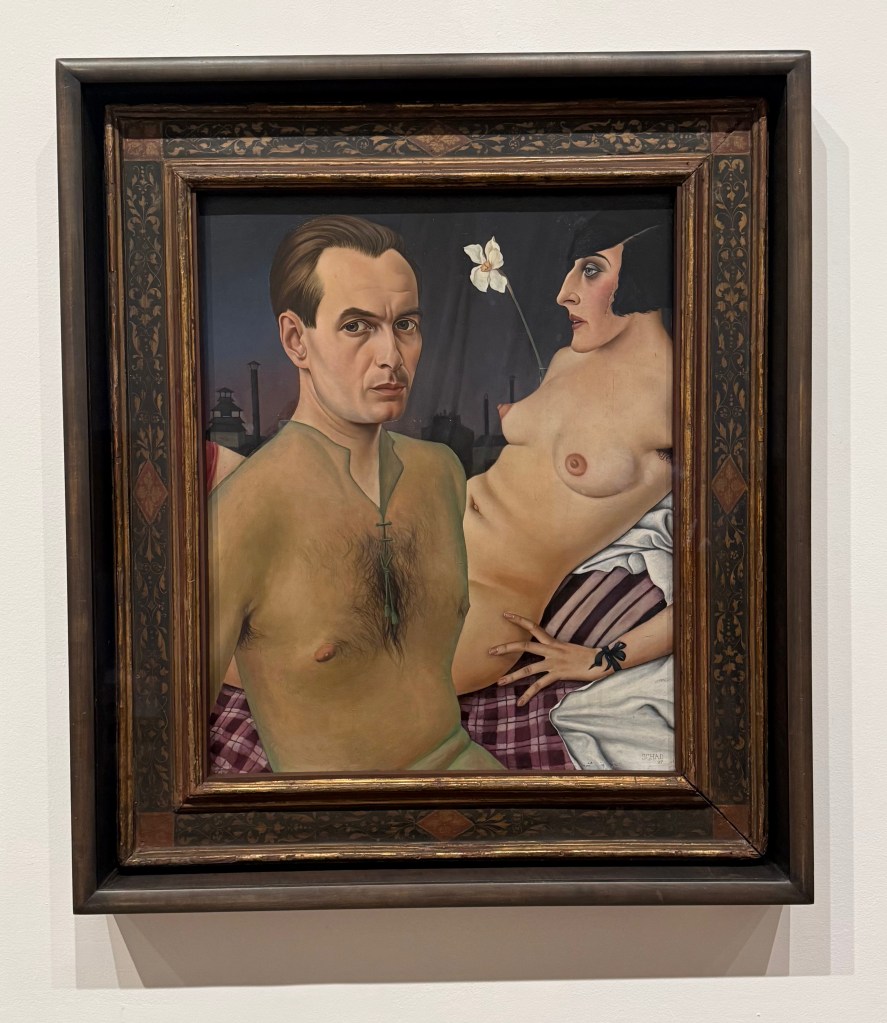
I don’t know what it is about this painting, but I always find myself standing in front of it. It’s a self-portrait by German artist, Christian Schad, in 1927. Having previously been influenced by Dadaism, after returning from Naples he started painting in a smooth, realistic style as part of the New Objectivity, a reaction against Expressionism. He also created Schadographs, which I may have to have a look at. Maybe I’m drawn to it because it was painted at a time of decadence in Berlin and Vienna, or because of the narcissistic symbolism, or maybe it’s just the way he’s painted that really sheer shirt.

This is by British modernist, John Tunnard in 1942. It is an abstract landscape painting of Tol Pedn near the Lizard Peninsular, where Tunnard served as a coastguard during the war. The two small chesslike objects represent the two artificial landmarks on the coast warning ships to keep away from the Runnel Stone, a dangerous reef. I like the areas of texture which contrast with the flatter paint, and the overall balance of the composition.

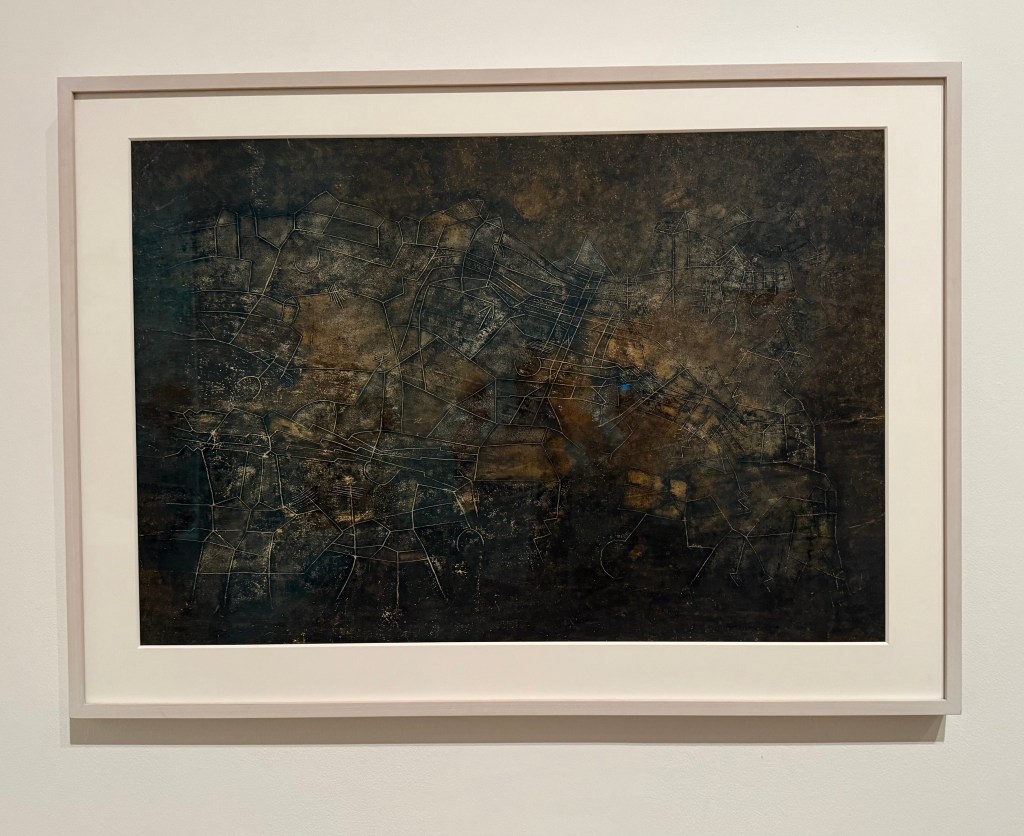
I particularly like the aerial view feel of this work. It is Nocturnal City, by Maliheh Afnan made in 1987 – wax, crayon, oil pastel and ink on paper. She is influenced by the written form, in particular, Persian manuscript paintings. She ‘writes’ her paintings layering materials in which she explores, memory and places. Text has appeared in some of my work, and I like the effect of scraping into the surface to make marks, something that I do a lot of instinctively.

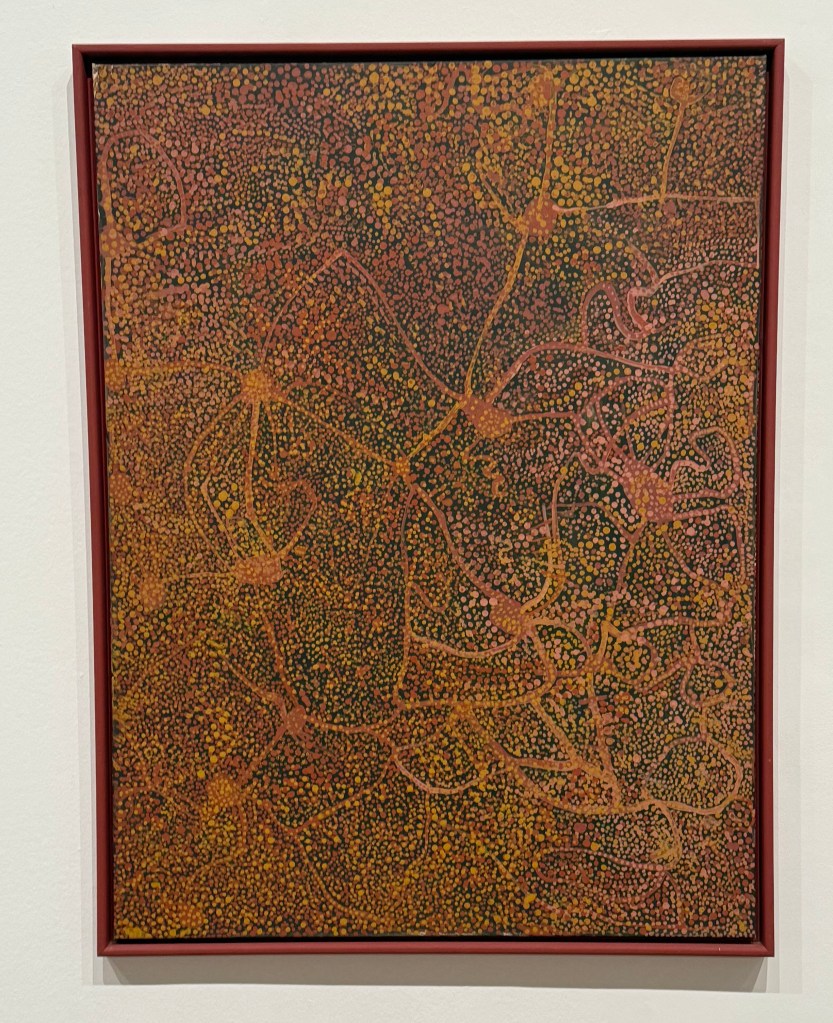
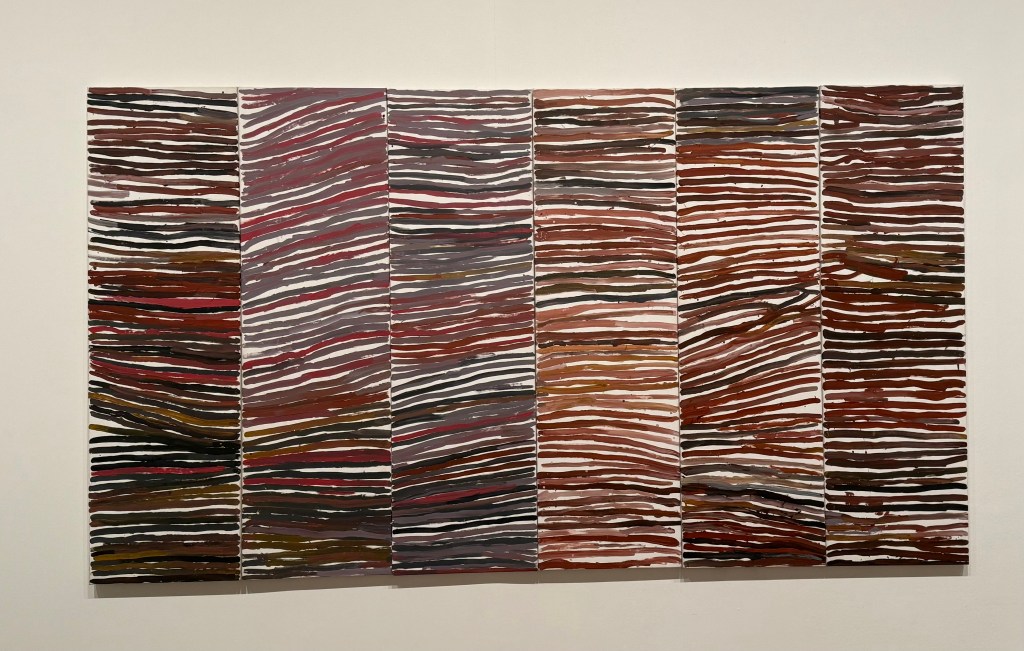
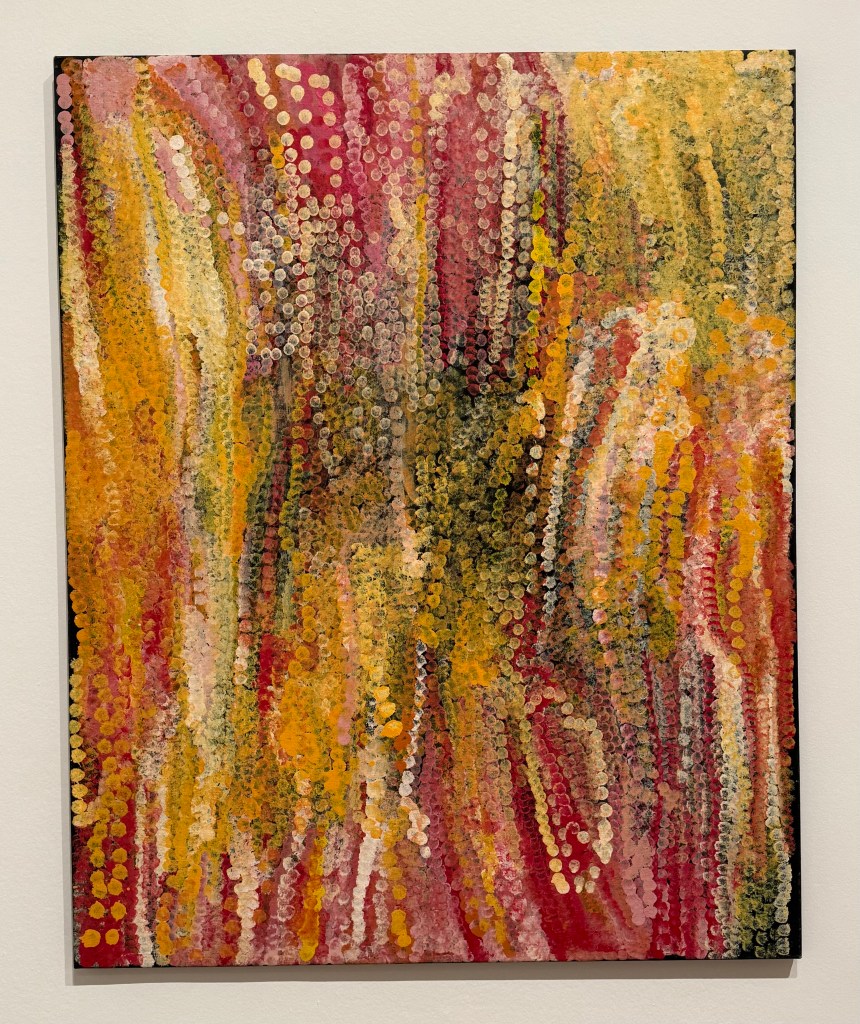
I had a look around the Emily Kam Kngwarray exhibition: she started painting in old age and made a mind-blowing 3,000 odd works in just a few years. I enjoyed looking at the mark-making and the colours, some reminiscent of mapping.

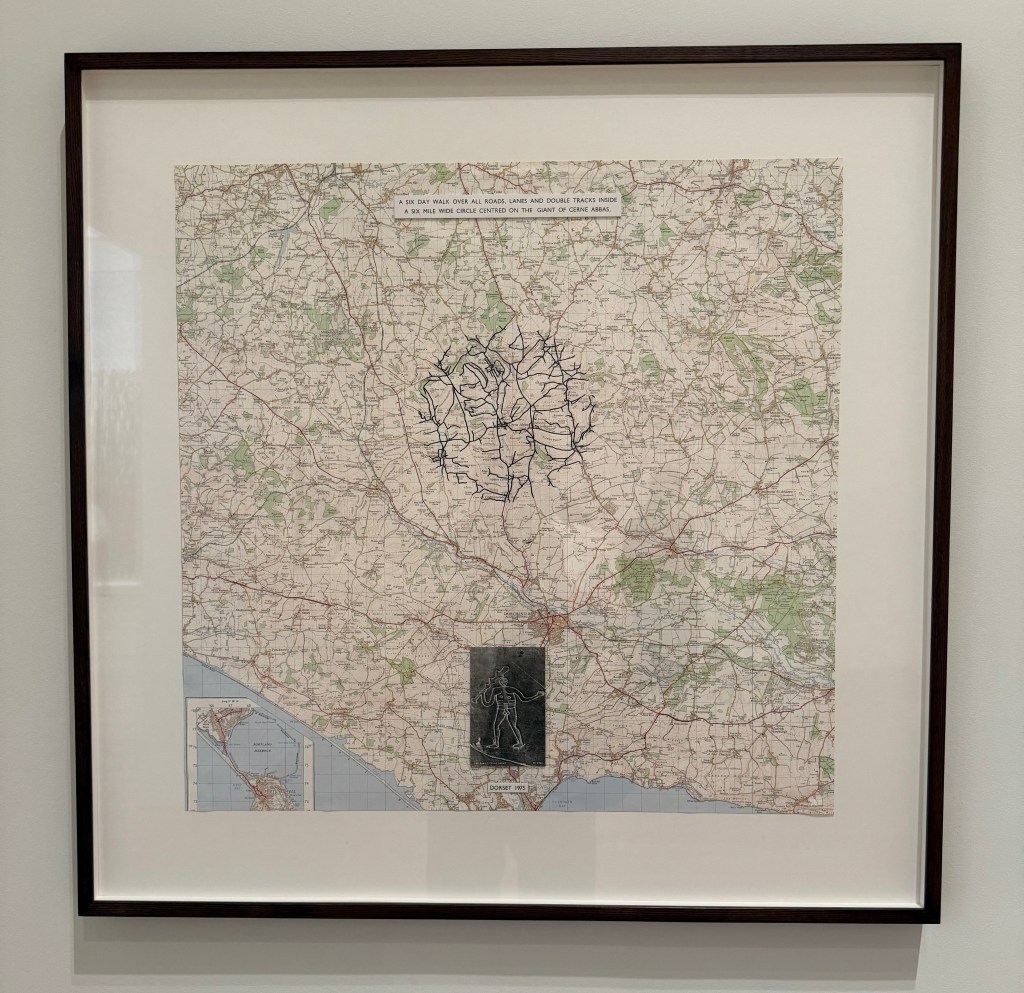
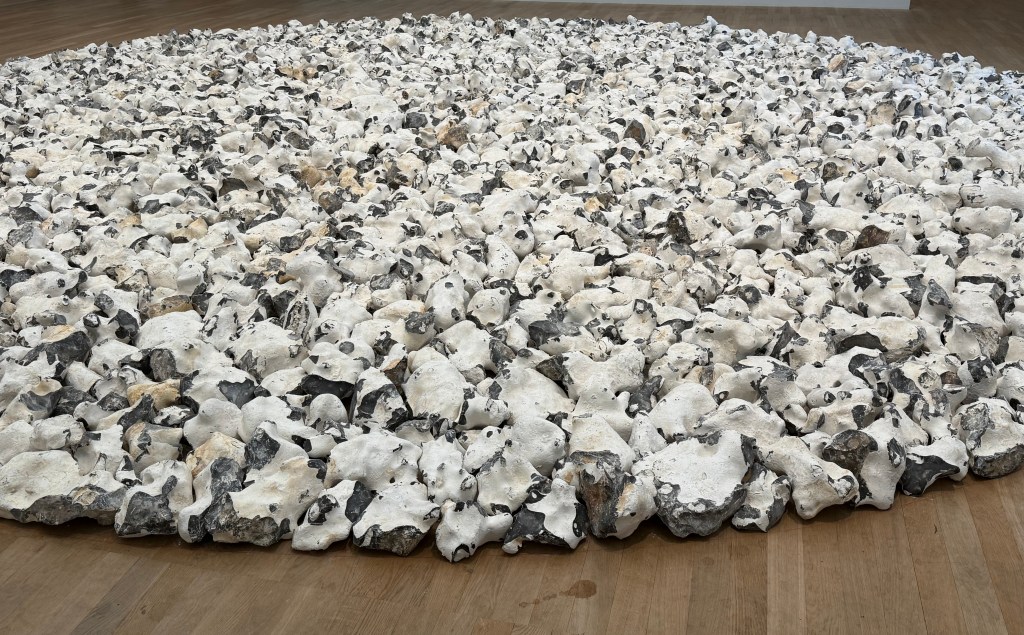
And then I saw an actual map in Richard Long’s Cerne Abbas Walk (1975) in which the sculptor/ land artist documents a six-day walk at a well known Dorset landmark, detailing his physical interaction with the landscape. I couldn’t help but stop and spend quite a long time just looking at his 8 metre wide Norfolk Flint Circle (1990) which creates its own extraordinary landscape.

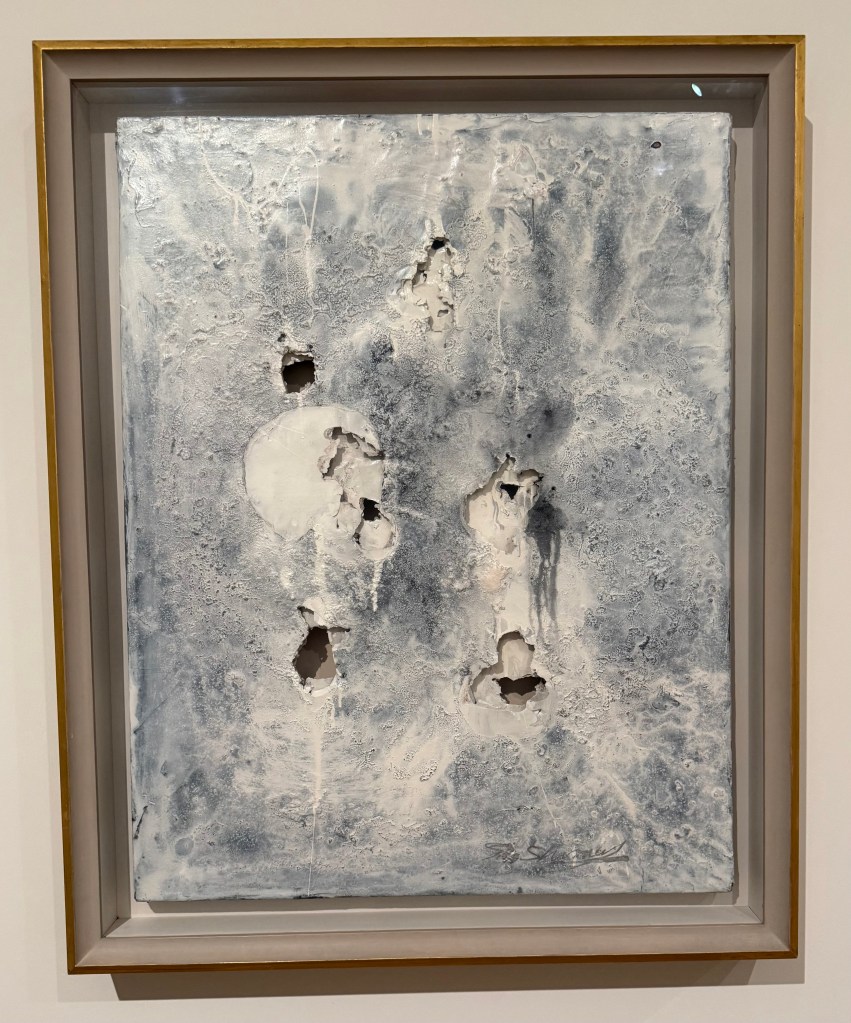
I didn’t make a note of this next work which is frustrating as I was intrigued by the holes and layers beneath.

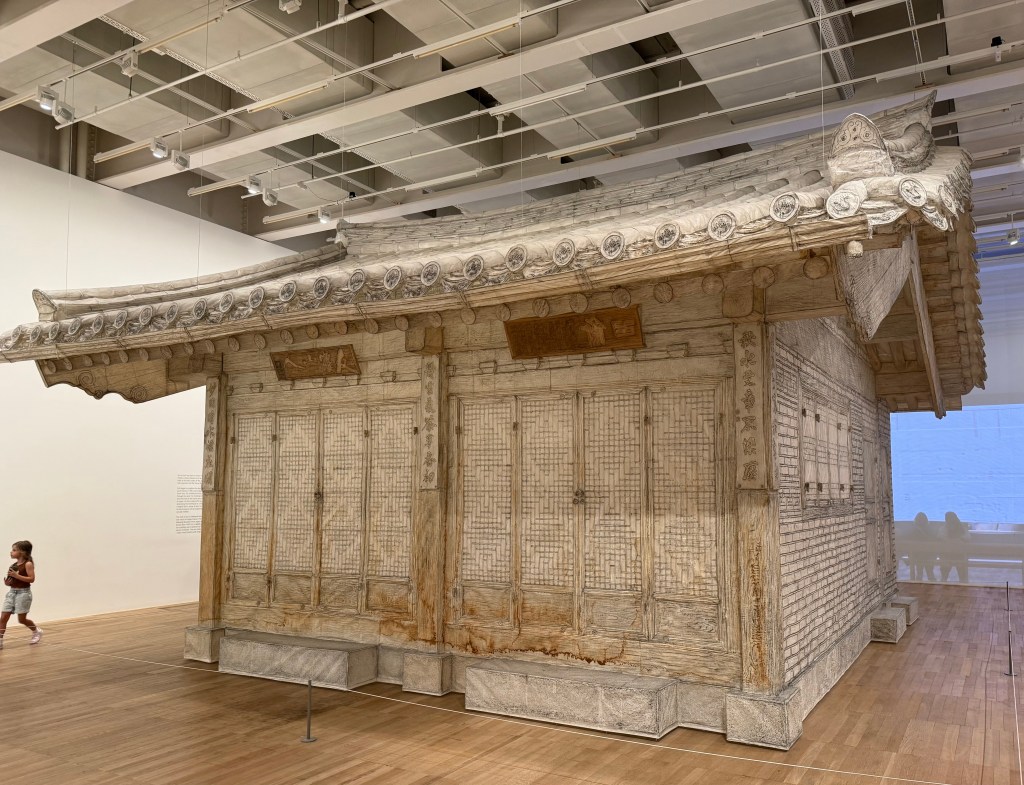
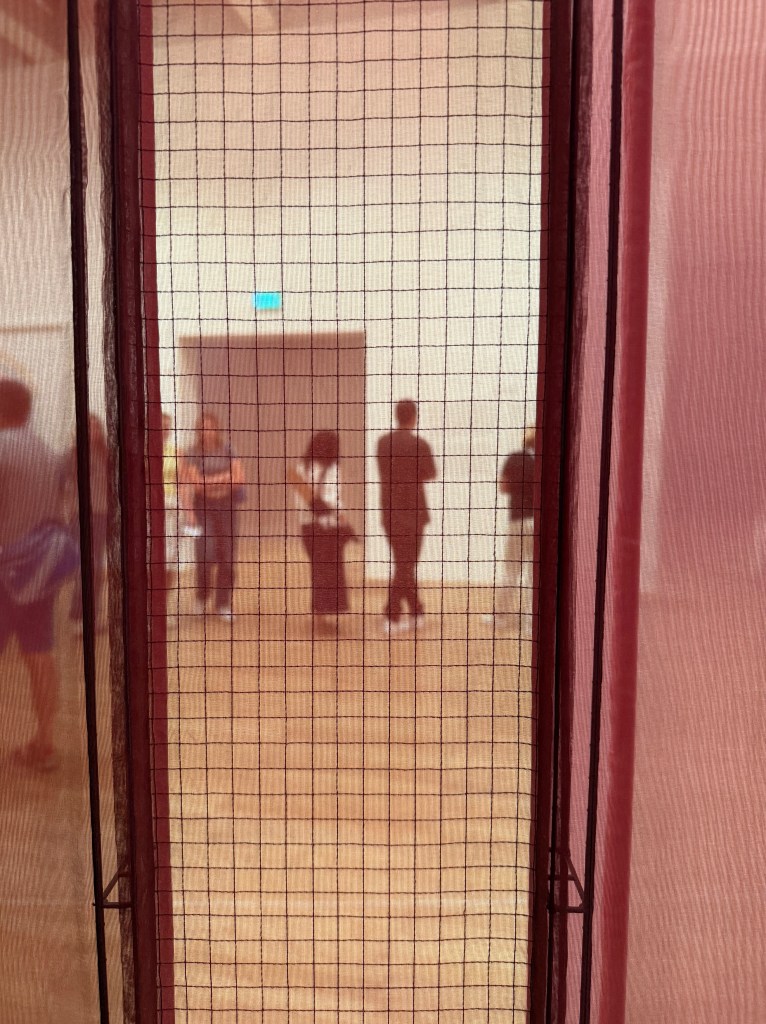
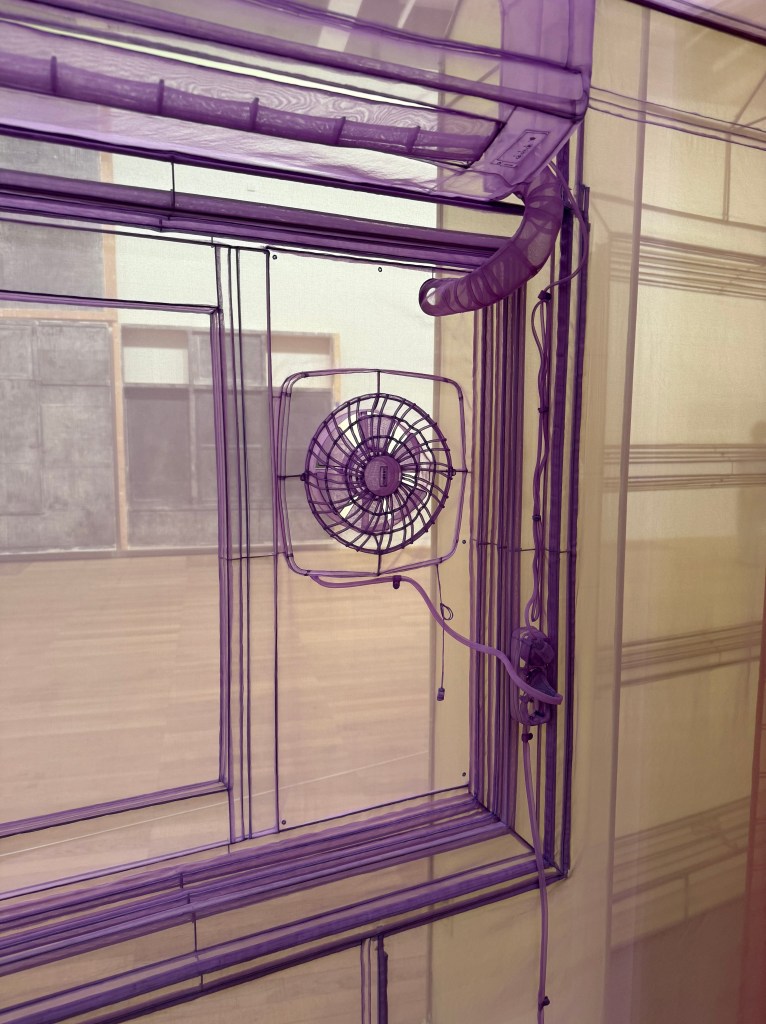
Then it was on to Do Ho Suh’s Genesis exhibition. Lots of transparent layers, grids and threads, all of which appealed to me.

Some wonderful Giacometti’s in the Tanks, emerging from the darkness and given form by the wonderful lighting.

An accidental slip of the phone, but an interesting image.

A Test of Memory

I had my tutorial with Jonathan on Wednesday. As always, I didn’t take notes as such, I just jotted down the odd word in the hope that it will jog my memory. I’m sure that as the next week or two pass by I’ll remember some additional points, but that’s ok, after all, that’s the nature of processing memory. I was going to say that I would amend this post, but perhaps I won’t – I’ll do a separate one – as it will be interesting to see what comes easily to mind, and what is lurking deep inside the recesses of my memory waiting to be recalled, and what acts as the cue for the recollection. My own memory experiment. Post-tutorial reflections appear in brackets.

We talked about the linocut print for the Editions sale. I explained that I decided to make a physical print and decided on a reductive linocut, something I hadn’t done before. I like making things difficult for myself and perhaps on reflection the process would have been a lot easier if I’d watched some videos as to how to do it, although I think you tend to learn more whilst on the job. Is this something I will carry on with? Not in the foreseeable! I have put it all away and will probably only revisit it if I can find a way of using linocut which suits me – I don’t think that what I perceive to be traditional linocut works for me. Also, I find the natural pauses to be frustrating, but as I was saying this I recognised that it was contradictory, as I have previously said that a period of reflection is important, and that I feel frustrated that I hadn’t left myself enough time for that with my research paper. But then my paradoxical nature is something we have discussed before, as Jonathan pointed out. [In the past, I think that I have considered being paradoxical to be undesirable or weak, to be inconsistent and something that indicates a lack of a sense of identity. But reflecting on this in light of my research paper, I now think that actually that’s ok, that what I think about something today will not be the same as tomorrow because I am constantly changing, and even so, who doesn’t want to be able to change their mind? Why is consistency a good thing anyway?].

To avoid the same thing happening again, I had already made my video and was in the process of curating my blog which I find a valuable exercise as it allows me to pick up on any loose ends. Jonathan commented that I had a lot of links on my page and it might be an idea to rank them. I explained that it was just a holding exercise, that I had gone through my blog and put links to posts which I thought were relevant to each of the learning outcomes and that I will go back through them and edit, adding text.

We talked about the research paper in broad terms ie its subject matter and its relevance to my practice. I explained that it is directly relevant in that I am discovering who I am as an artist. Whilst I had already realised in my Study Statement that I am in a perpetual state of flux, I wondered how an artist can represent the changing self when the processes being used such as memory, mapping and materials are constantly changing too. It revealed that the process of making will best allow me to find what I am looking for and so process is all important. In this respect I have been documenting my process. I used to do it before, but that was so that I could identify at what point I should have stopped – I’m now doing it for a completely different reason. I think that I would like to produce work which evidences the process of making.

Jonathan referred to the post in which I talked about an emodiment of process or memory. It was the post about my daughter’s quilt which she made which will now contain all of the memories of the summer. Looking around the room, I can remember what I was listening to on the radio whilst I decorated it. It’s as if the artefact which we make embodies the whole process of making it. Jonathan commented that it is almost like a spatial memory.

He asked me about the Turner posts and in particular in relation to my comment about not just turning up and doing what I wanted but trying to complete the task. I explained that I see it very much as I do a book club – I go to read books that I wouldn’t ordinarily choose to read myself. Although I am finding the art classes challenging in that I have found myself veering away from the figurative and so I am looking at what I can do within the task to make it work for me, but that’s becoming progressively more difficult.

We discussed the graphite on water experiments and how I could develop these. I said that I had been thinking about it, but it is literally just loose graphite on paper which makes it difficult to develop further as it is. Jonathan asked whether I had thought about taking work out of the digital format, reworking it and then putting it back into digital. I had been interested in the idea of re-processing [It’s All Part Of The Process] and that this all feeds into my sense that I am probably heading down a route of mixed media, which Jonathan agreed with. I had been thinking that the way to progress the graphite images is to photograph them and then work in layers on top. I think that the idea of layers is going to be important moving forward. Jonathan suggested that perhaps this is where linocutting could come in, not as a finished piece, but as part of a bigger mixed media piece. I had been thinking about how I might work in oil paint on top of a mono- print, so this is something further to think about.

Jonathan remarked that the idea of re-processing is essentially remediating. He wondered whether there was a link between a process which involves remediation and the remediating of memory and, in this respect, he had in mind transactive memory eg looking at a photo and recalling memories whilst others also recall memories which are slightly different – a social form of memory retrieval. [This sounds interesting and worth further thought.]

Jonathan referred to the Procreate images of the print and asked to what extent my thinking was influenced by the fact that it was going to be linocut. It was totally influenced by it – I imagined myself carving out the lines. What value was there in the form of the product being known? It was not ideal, but it was a challenging process and I felt a sense of achievement afterwards, although perhaps that was because it had been a struggle which arguably takes me backwards.

What comes next? I think that process has become important to me and is where I need to be. I used to think that I wanted my work to convey a message that would be understood; I now think that I’m shifting to the other camp in that I’m happy for me just to know what I meant. I can see myself focussing by gathering up all the loose ends of everything that I have been doing and finding a way forward. Will some of them be tied off? Yes, I can see that some might be, but then I changed my mind to ‘no’, as I never say never.
Loose Ends

I find the curating of the blog to be a rewarding process – I can identify all the ideas I’ve had, and things I was going to do, and which have been left by the wayside as I’ve gone off in another direction. I’m collecting up all the stragglers, and here they are:

I’ve been thinking about whether I should amend my Study Statement. I don’t think I will. My objective is to find my artistic voice. I am still doing that – I will find it in the process of making. Some of the elements of the statement, such as the specified topic areas and work plan aren’t really relevant anymore, as I have gone off piste, preferring the freedom. That has happened because of who I am becoming, not because the Statement is no longer relevant or needs redirecting.

La Cabina

It’s interesting how certain sensory and emotional experiences from your childhood stick with you even later on in life. I remember the smell of Camay soap in the bathroom, 4711 eau de cologne and my father’s Old Spice.

I also remember seeing lots of posters in the 70s of people, usually women, disappearing down lavatories. There is always that moment of hesitation…

I was always trying to stay up late. This was usually accomplished by offering to brush my mother’s hair. Of course, what I didn’t bargain for is the reason why there’s a watershed when it comes to TV viewing. There was Danny Kaye in ‘Five Pennies’ whose daughter ended up in an iron lung because she got polio, although I’m sure my parents told me it was because she had too many late nights hanging out in jazz clubs with her father, and didn’t get enough sleep.

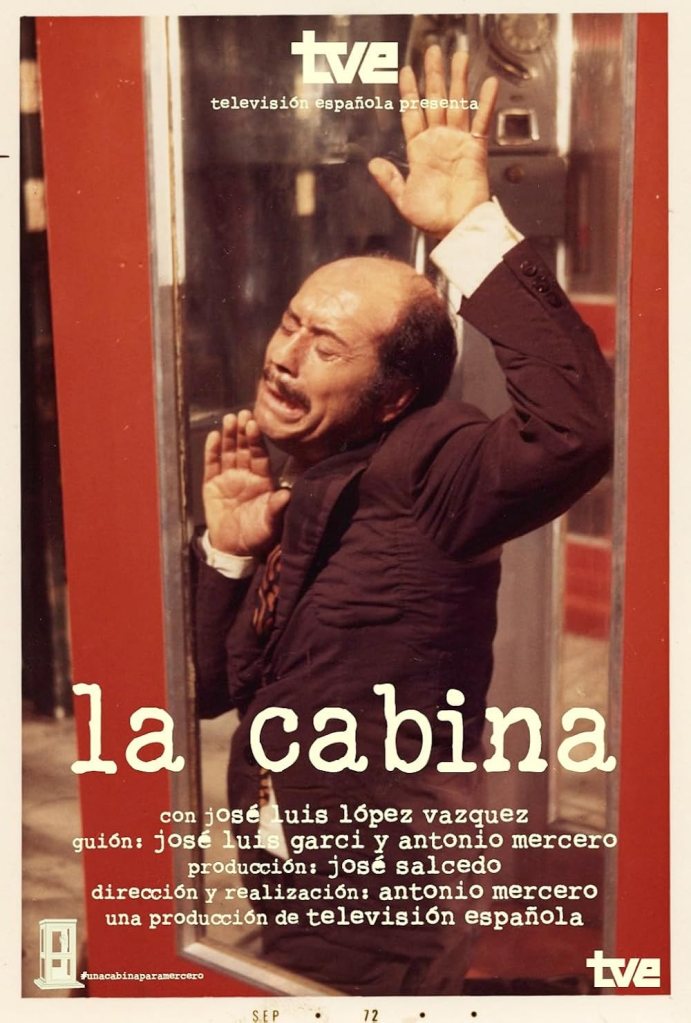
But the film which has haunted me all these years is a Spanish 30 minute film – ‘La Cabina’ which was made in 1972, but must have been shown on the BBC sometime later because I think I must have seen it when I was about 8 years old. Funnily enough, it seems that a lot of people saw it ‘accidentally’ when they were of a similar age. There is very little dialogue which makes it even more disturbing. A man goes into a telephone box and can’t get out. Passersby try and help him but fail, as do the fire brigade. He’s hoisted onto the back of a lorry and taken away, and at one point he sees another man in a phone box on the back of a lorry. He ends up in a huge underground warehouse where he’s offloaded amidst hundreds of phone boxes with decaying bodies, some of which have ended their suffering by using the phone cable.

It won an International Emmy award. I wonder whether it should get an award for messing up a generation of children, along with ‘Tales of the Unexpected’ and the ‘Twilight Zone’.

Image from http://www.imdb.com

What’s In A Name?

I used Perplexity AI as an aid to narrow down areas of research for my research paper. A strange choice of name bearing in mind that to everyday people ‘perplexity’ means to be bewildered or in a state of confusion. But in tech-talk it is a measurement of how well a probability model predicts a sample. Even so, I’m still not convinced that it’s the best brand name for a product which is supposed to inform, and this is perhaps best explained by the reason it was chosen for the start-up: the domain name was affordable.

It was an interesting experience, which at times left me feeling frustrated, despite its excessive flattery. On a number of occasions, it told me what it thought I wanted to hear by making up sources and references. When I challenged it, it eventually owned up, apologised profusely and complimented me on my academic rigour. Such hallucinations are common place, apparently, as well as its inability to answer a question the same way twice.
Making Contact

In yesterday’s session we looked at ‘thick description’ as opposed to ‘thin description’. Thick description gives extra information, creates a mental image, and prompts questions. Thick description is using language to expand understanding and allows us to recognise what we bring to it, emphasising that we are the makers of our work and we are bound into it. For me, this echoes material engagement theory: as humans we make things and are, in turn, made by the things we make.

We were given a few minutes to describe what was in front of us – the part that no-one ever gets to see on our Zoom sessions. I use my daughter’s bedroom whilst she’s at uni. I wrote down:

A sea blue wall displaying the board wrapped with small, glowing lights – a showcase of scraps of paper arranged haphazardly with multi-coloured pins, some images, some reminders of future tasks. Numerous containers with an assortment of writing materials; pens and pencils standing to attention, ready for action. The white desk with its marks of ink and nail varnish – traces of past actions of my daughter. It makes me feel connected. I sit where she sat. I feel her presence.

As I was writing it, I suddenly felt emotional – I don’t know where it came from – maybe because I was thinking in a sentimental way, and that became a release valve for the stress and tiredness that I’ve been feeling. Or maybe, despite my bravado, I just really miss her.

We went on to think about our own contact zones, and how we are influenced or changed by the contact, and how it impacts our work and the reason we make it. This discussion generated a whole host of different ideas. For me, it is about how they make me feel; I am influenced by contact zones that generate an interest, prod me and provoke a response from me, and I often put myself in zones which make me feel uncomfortable and challenge me, that take me out of my comfort contact zone. I am not sure that if my contact zones made me feel completely at peace and in equilibrium, with nothing to respond to or process, I would even feel the need to make art.

There’s No Time Like The Present

For a post-mortem.

Well, I’ve submitted my research paper.

How do I feel about it? I’m pleased with how it turned out and I found it to be a rewarding experience – it has certainly made me think a lot more, and has been incisively relevant for my work.

This morning was a bit stressful as the broadband was playing up and I had some last minute changes to make and quite a few references to double check. It didn’t help that I was constantly switching between laptop and iPad because my laptop is so old that it turns out that it no longer supports the latest browsers. As a result, it was submitted a few minutes past the deadline, which has really disappointed me. Even more so, that when I’d taken a break and had another look, I saw a few incomplete references and other errors in the paper. Word blindness.

Previously, I have completed work with time enough left to review at my leisure, and so I’m wondering what went wrong this time. I certainly planned to have it completed with time to spare, and it’s not like I haven’t had since the Spring to do it.

On reflection:

  • I struggled for ages to think of a subject – I kicked the proverbial can down the road.
  • it took me a long time to work out how I could encompass the areas in which I’m interested – self, memory, mapping, and materials – into a cohesive and comprehensive research question.
  • maybe the scope of it was too much – it encompassed philosophy, psychology, cartography and cognitive archaeology. There was a lot to research to extrapolate relevant concepts. Whilst Perplexity helped refine searches, I still had to read all the sources eg material engagement theory was developed over a period of a couple of decades, through numerous published papers, and a lot of the sources were heavy and difficult reading, my aged brain not being able to digest and assimilate a vast amount of information anymore
  • I can’t multi-think the way I used to. I can only focus on one demanding mental load at a time otherwise I feel overwhelmed and can’t function
  • I didn’t appreciate the amount of work that was still to do after my last session with Janet. I was so relieved that my second draft had legs that I think I took my foot off the pedal and let other things get in the way, although I did make some work.
  • I think that I anticipated being able to really crack on in the last month but various things got in the way of this, feeling under the weather with one thing after another, and the print sale. I spent so much more time and mental bandwidth on that than I anticipated, but, it was a valuable learning experience.

This really does sound like a roll call of excuses, but at the end of the day, what’s done is done, and all I can do is try not to repeat the same mistakes in the future.

Now for the video and blog curation…