Not only did I not get the obvious joke with the placeholder name of ‘Noah Bitmore’ until half-way into the session on Tacit Agency with Prof Paul Haywood, but I didn’t really get the session itself at first.
I think part of my problem was that I came into it with a preconception from the title. My understanding of tacit agency is a legal one. It turned out to be about the relationship between who I am and where I am – an individual’s sense of connectedness with their physical and social environment.
The exercise of describing an important place without naming it was a revelation. I wrote white railings, the smell of coal fires, lemon curd tarts in a Family Circle tin. I was describing staying with my grandmother. I’ve previously mentioned that visiting my grandmothers is a strong childhood memory and one which evokes a feeling of constancy. We mostly stayed with my mother’s mother. I recently came across some glasses on eBay and ended up buying them because they were very similar to the ones she had, out of which I had my pop, usually dandelion and burdock, or sometimes shandy, poured out of a glass bottle for which you would get some money if you returned it, which was stored on the floor in her pantry.
I love a pantry. Shelves full of interesting things like bottles of Camp coffee, and biscuit tins of jam and lemon curd tarts, packets of crisps and jars of marmalade.
She’d ask me to shell peas from her garden for dinner (I’d eat most of them), the outside loo with the wooden seat, housecoats, woolly hats and Victory V sweets on the ‘buz’ to Derby sitting next to her on the front seat on the top deck so that I felt like I was flying as we went over Swarkestone Bridge, walking down to the village shop where she’d buy me cola bottles and Swizzels double lollipops, going past the pub on the way and breathing in the hoppy aroma, stodgy Yorkshire pudding whilst we watched Emmerdale Farm, the seersucker checked table cloths, the cupboard full of Woman’s Own and People’s Friend magazines from which I used to read the serialised stories, sometimes annoyingly having to miss an instalment because she hadn’t bought that week’s issue, going to Swad and having a cream doughnut, spending hours making mud pies and selling them from my shop in her front porch, the tops of her hold ups visible as she bent over to clean out the grate in the morning and lay and light a new fire – she must have had asbestos fingers – with her horse brasses hanging either side of the fireplace and her ornamental carthorses on the mantlepiece, climbing up the stairs at night into a freezing cold bedroom, shivering under the counterpane until I warmed up, memorising the Lord’s Prayer from the framed embroidery on the wall, watching horse racing and wrestling on the TV with her on Saturdays, hours of country walks pretending to be a horse, and many hours of playing with her plastic cowboy horse in the front room, playing cards and going up the passageway to visit Uncle Walter who would slip me 50p and Auntie Tamar with her slightly greasy hair who never seemed to move from her chair beside her 3 bar electric fire, but most of all, the white railings – a flutter of excitement because we were almost there.
As for my father’s mother, not so many memories. Although we visited her a lot, we rarely stayed with her as she didn’t live far from my other grandmother. The garden shed where I used to spend a lot of time lost in my imagination, I loved the smell, I loved the greenhouse, the smell of tomatoes, when I smell that smell I’m right back there, I saw a candle in Sainsbury’s the other day which was supposed to smell of tomato plants, but I’m not sure, searching for frogs on her rockery at the bottom of the garden, jumping over her decorative white fencing, yes, pretending to be a horse, being fascinated with her dressing table, glass containers and hairbrushes with tortoiseshell, the plastic pink powder container with a puff and her stone Westie doorstop I used to pretend was a real dog, Battenberg cake, her taking exception to me repeatedly playing my Growing Up With Wally Whyton record which I had got as a Christmas present one year, which included the lyrics:
“Oh you canny shove your granny off a bus, oh you canny shove your granny off a bus, oh you canny shove your granny for she’s your mammy’s mammy, oh you canny shove your granny off a bus. You can shove your other granny off a bus, you can shove your other granny off a bus, you can shove your other granny for she’s your daddy’s mammy, you can shove your other granny off a bus.”
Visiting her in the nursing home with my father and the patch on her forehead she kept on scratching, her limp arm and having to go with her when she wanted to go to the loo, watching her eat a slice of bread and butter with her cup of tea whilst she told us about the old man who kept going AWOL, told off by my father for not singing at her funeral, and the bracelet and the ring that she left me.
In my Unit One feedback there was a question: Beyond the photographs you are using, are you channelling memories through your practical experimentation in other ways – how might you explore more of this? Might you introduce more conversational elements – your voice is already present in your work, but would it feel relevant or interesting to explore recordings in text or sound? What would happen if you were to layer those recordings over animated/ simple stop-frame slide sequences of your cyanotypes and prints?
I’d been thinking of exploring using video before the feedback, and having just written this post I think that these childhood memories are so rooted in the sense of place that I need to go back there and make some mud pies.
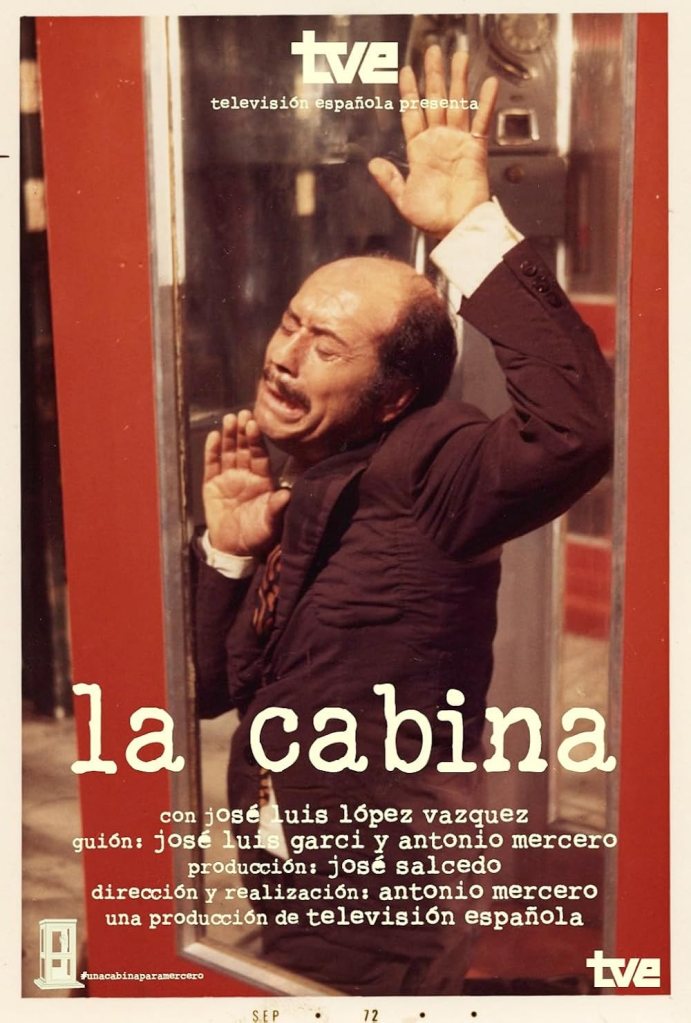
By the way I dislike my voice, it sounds totally different to how it does in my head, and that’s why I resorted to using Siri on the recorded message on my red telephone, which is one more thing that I’ve yet to progress…
In the meantime, in the words of Kazimir Malevich,
Swim! The free white sea, infinity, lies before you.



 Kate McCalmont-Woods