Pushing Paper II

I’m generally quite a logical person, but I’m not always methodological. Often I’ll have an idea that I want to try out, and instead of following the steps which logically come before it, I launch straight in. Maybe I’m just not that interested in the preceding steps, or maybe I’m just impatient.

Anyway, armed with some Micron fine liners I decided that rather than start again where I left off last time, I would change a few things all at once. Sometimes in my art class we will do an exercise where we draw something and then pass our work onto the next person who then adds to or modifies it. I’m not keen on this exercise, in relinquishing control to someone else, of letting someone else be a part of my work.

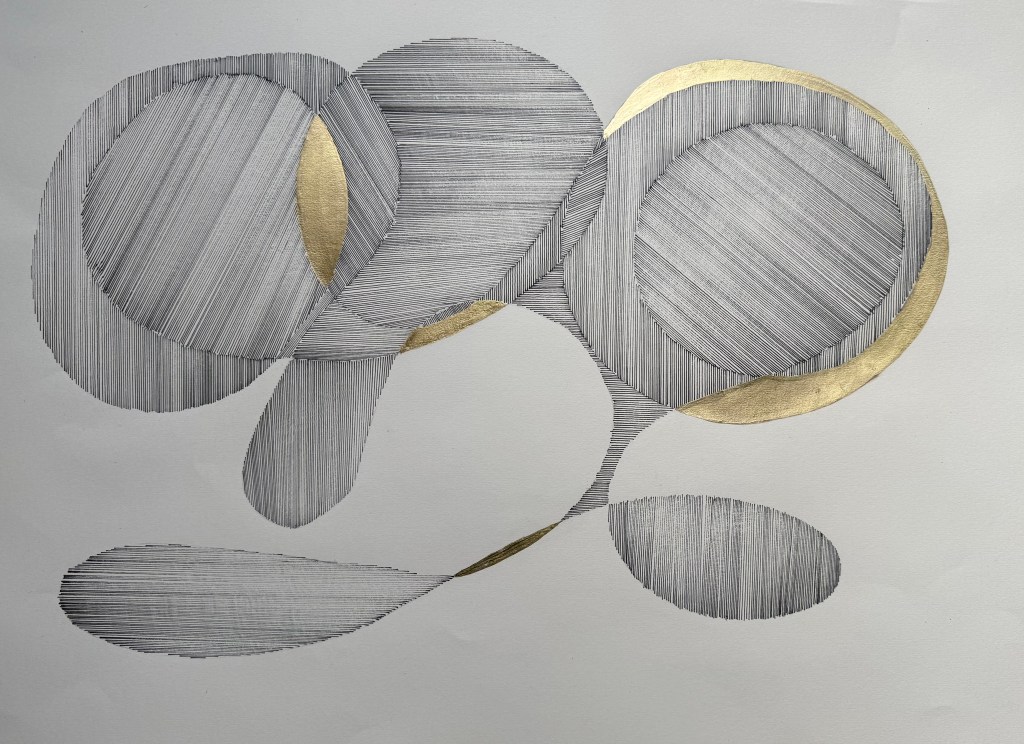
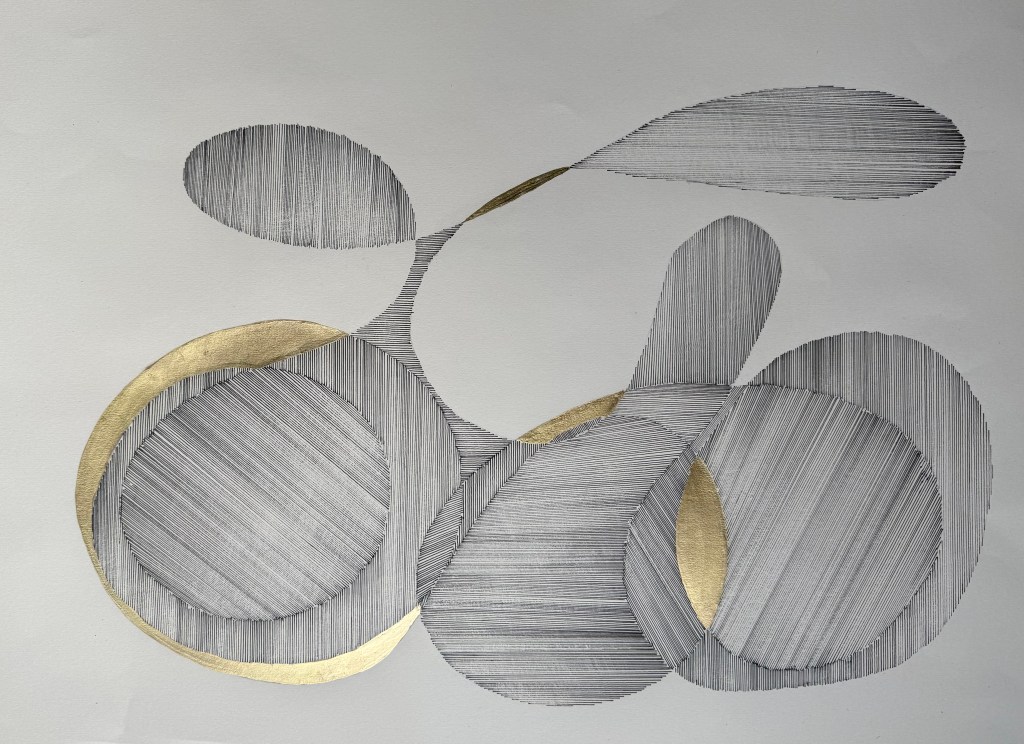
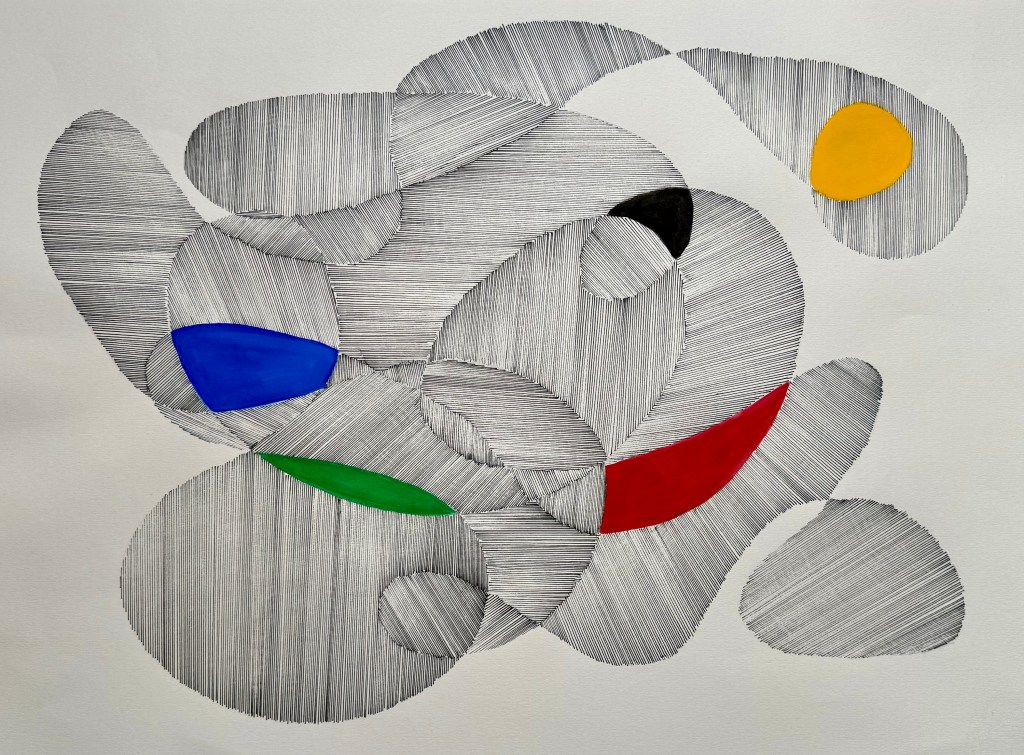
As drawing lines is a repetitive, controlled and focussed act, I decided that I wanted to shake it up a bit, to introduce an element of unpredictability. Whilst drawing a random outline is to all intents and purposes unpredictable, because I’ve done it so many times I suspected that I might have developed an unconscious pattern of movement, a comfortable way of doing it. So, I decided to ask my husband and daughter each to draw an outline to which I would then respond with a simple system of using the same width of pen and filling in each section with lines, ensuring the lines in adjacent sections are going in different directions. I also allowed myself the opportunity of leaving a few sections blank or treating them in a different way. I worked on A2 off white cartridge paper.

My husband’s:

This is the orientation it was drawn in and I prefer it this way as it gives it a feeling of instability, discord, of something melting. Anyway, the other way up it reads as a cyclist with a flat rear tyre.

My daughter’s:

The first thing that strikes me is the relevance of selfhood and the act of becoming. Becoming happens through entanglement with others and selfhood is shaped by those relationships, and the world around us. These images embody my relationship with the people who drew the outlines. I didn’t choose the outlines but I can choose how I respond to them, how I engage, how I attend to them. I transform the outlines with time and devotion much as I do in the relationships with my husband and daughter. They then respond to what I have done and all of us are changed by the process.

I really enjoyed making these images. The repetitive act of drawing the lines allowed me to switch off and to engage fully with the process rather than thinking about the result. I had no idea how they would turn out. The decision as to direction was made in the moment – it may not even have been a decision as such, just an intuitive adjustment of the angle of the ruler. I like that the mark-making is the subject of the images and consequently so is the process. The only active decision was which parts to leave out and how to deal with them. I love how the process is so evident – the times when the repetitive act and the sound of the pen on the paper made me lose focus and overshoot, how when I moved the ruler it left a spidery trail, how the areas where the lines cross form and edge which is at times irregular, creating a distortion, an interference, almost a vibration. Against the flat areas of colour the lines even appear to have a dynamism about them which I think is helped by the variation in tone – there are lighter areas where the pen is starting to dry up.

Whilst I was making them I felt content, as if two parts of myself were both being satisfied, balanced – the part which likes order and certainty and the other which likes the unpredictable and the unknown. There must be something about it which resonates with me because I subsequently went on to spend the following week experimenting with more images.

It would be interesting to see what the process is like involving people who aren’t experienced with making art to see how their outlines might differ in the sense that they might be less confident and their mark making more hesitant. Also, what about strangers? How might I feel responding to outlines which have not been made by people that I know?

You’re Turning Into Your Father

‘And what’s wrong with my father?’

’Nothing. But I didn’t marry him; I married you.’

It was our 23rd wedding anniversary yesterday. Neither of us is the same as we were 23 years ago and nor should we be according to K H Tan’s Fluctuational Identity Theory, ‘FIT’ (The Dissolution of the Self: How Ontological Instability Reconfigures Identity, Ego and the Nature of Selfhood, July 2025).

In his thesis Tan proposes a framework for understanding selfhood as a dynamic process of becoming that never achieves stable being. He argues against the notion inherent in Western traditional thinking that there is a stable foundation which grounds identity across time and change: a stable and unified self. This traditional way of thinking raises numerous fundamental issues eg how much change can happen before original identity is lost on a cellular and psychological level? When does the self come into existence? Conception? Birth? When does it come to an end? Brain death? Bodily death? It is not only incompatible with the dynamic, temporal and relational nature of existence, but our attempts to achieve a stable identity in an unstable reality could also be the cause of conflict, unhappiness, and the persistence of suffering in trying to control what cannot be controlled, the anxiety of trying to predict what cannot be predicted and the exhaustion of trying to maintain what cannot be maintained.

He is not promoting the idea of ontological instability per se, and he rejects the idea of chaotic instability (random fluctuations without pattern or direction) as these are incompatible with the coherence and continuity implicit in personal existence; we need to be able to recognise ourselves in order to be able to function. Instead he argues for creative instability. The self is not a thing that has experiences, but the ongoing process of experiencing the self; with every experience we integrate our past, our present and the possibilities of our future. It is a process of maintaining patterns while introducing variation and at the same time the self remains recognisably oneself while becoming other than what it was. The self undergoes ‘inter subject becoming’ – it is not a pregiven entity that enters into relations with others but emerges through and as a result of these relations.

He sees instability as a positive condition which encourages growth, creativity and meaning-making which would not be possible if the self were a fixed and stable entity. He considers fluctuational personas eg parent, friend, spouse, citizen, as genuine modes of being as opposed to roles and temporary performances, and as such negates the idea of authentic and inauthentic personas because all personas are genuine expressions of our capacity for becoming.

He advocates aiming for the middle ground. The more we try to define our identity the less capacity we have for growth and transformation, and too much self-awareness can lead to psychological overwhelm. Conversely, complete openness to transformation and abandoning any attempt to understand ourselves leads to a loss of any sense of identity and the continuity necessary for coherent existence, as well as disconnection from experience.

Achieving accurate self knowledge cannot as a matter of logic be achieved: we cannot bridge the gap between who we are and who we understand ourselves to be. He sees this area of misrecognition as being a ground for new possibilities of selfhood; it can become a creative force that helps us to become what we see ourselves as being. He gives examples of considering ourselves to be more creative, more confident than we are, and how this might lead to us ultimately having these attributes. Presumably the same could be said about negative attributes, but he doesn’t deal with these in any detail.

He compares traditional approaches and FIT in terms of personal development and growth including education and the effect of technology and algorithms on digital identity, psychological health, political and social implications, and human flourishing. He posits that FIT provides the framework within which we can better understand and navigate the challenges of contemporary existence.

It’s certainly an argument for revising the vows of marriage to reflect not only a change in financial status and health, but also in selfhood. Our wedding vows were in Italian and we haven’t the foggiest what we agreed to.

The Paradox Of Choice

Choice = Freedom + Power

Or does it?

Just recently I’ve been running away. Fight or flight. Apparently flight is an underrated stress response.

At the moment, I feel like I’ve got a lot on my mind; too much. More times than not, I just get on with it in a resilient effort, and other times I indulge in some escapism and don’t deal with anything, waiting for something to blow up and become urgent, preferring to lose myself streaming box sets. But, of course, that’s just prolonging the inevitable.

Anyway, I met a friend the other day. I mentioned the research paper to her. I explained that I feel the need to think of all the possible options to make sure that what I choose is the right decision. She said that I shouldn’t worry about making the right choice, I should just make a choice and make it right.

Apparently, it’s called choice overload, and it’s an evil of the modern world. Whilst choice brings freedom and a sense of empowerment, too much choice can cause anxiety; a paralysis which results in no decision being made at at all; higher expectations of making the right decision by virtue of the sheer number of available choices; and consequently an increased probability of dissatisfaction with the final decision. I’m what’s termed a maximiser – someone who has to consider all the options before making an informed decision which in essence is a good thing but in a world of infinite choices can lead to choice overload. I need to become more of a satisficer, someone who is content with good, rather than the best and who, as a result, doesn’t feel the need to research every option and consequently manages to avoid the paradox of choice.

In short, I need to shop more like my husband.

To The Manor Born

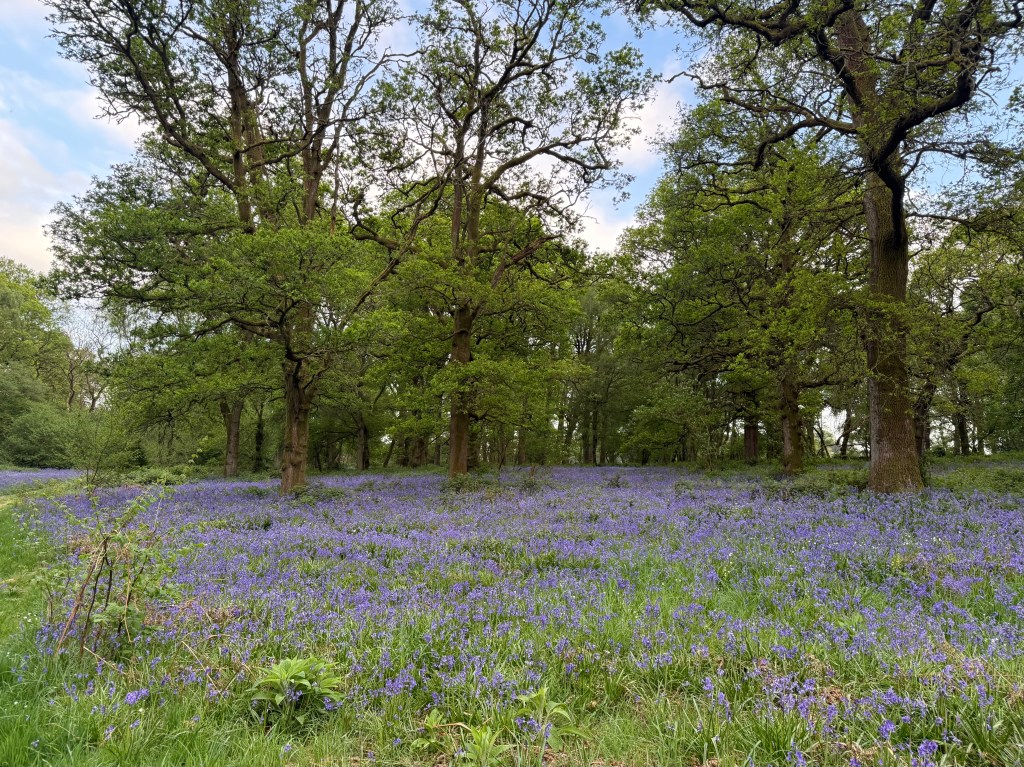
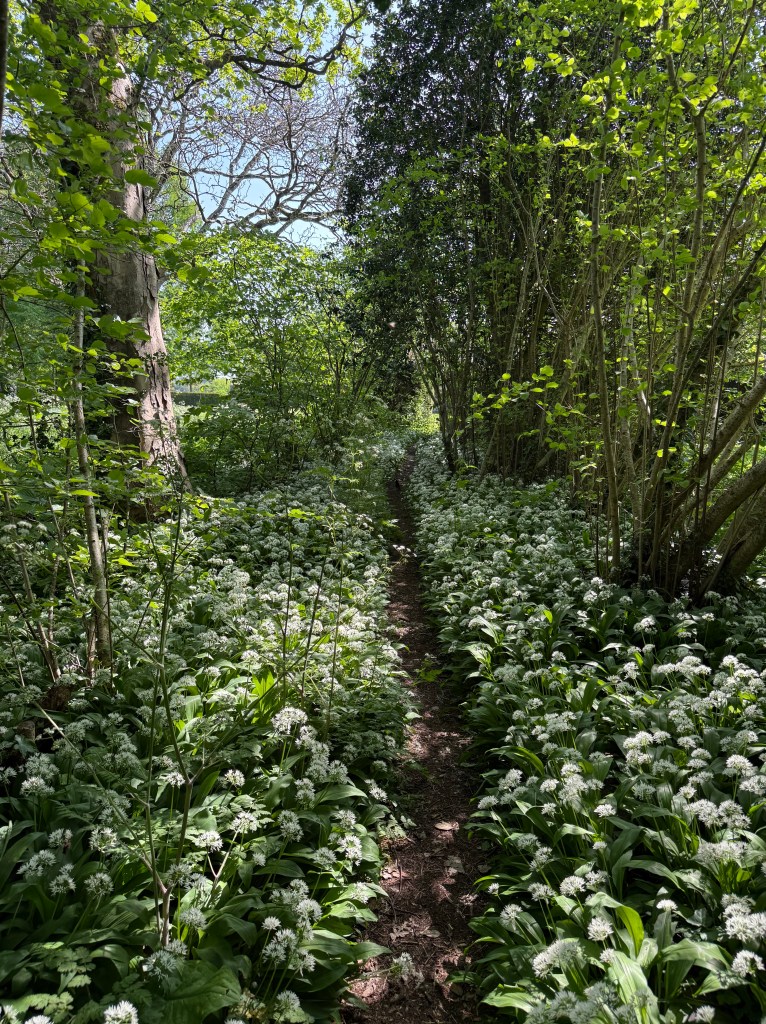
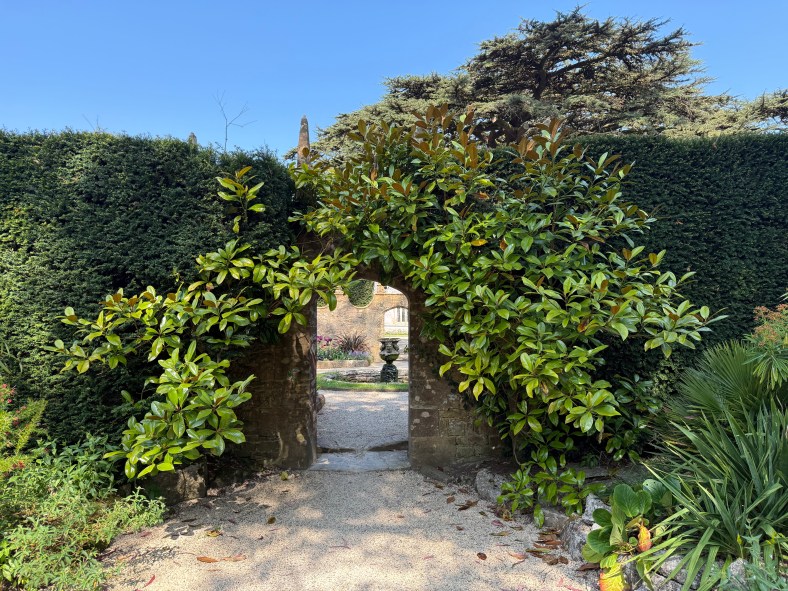
I love this time of year. The hedgerows are full of hawthorn blossom and clouds of cow parsley, there are blue carpets of bluebells in the woods, if a little threadbare by now, swathes of flowering wild garlic, crops growing in the fields and trees in full leaf.

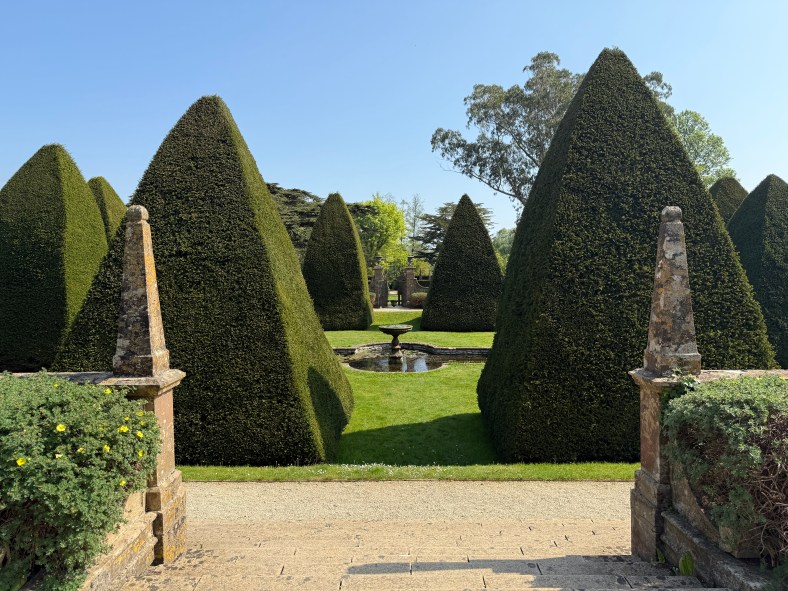
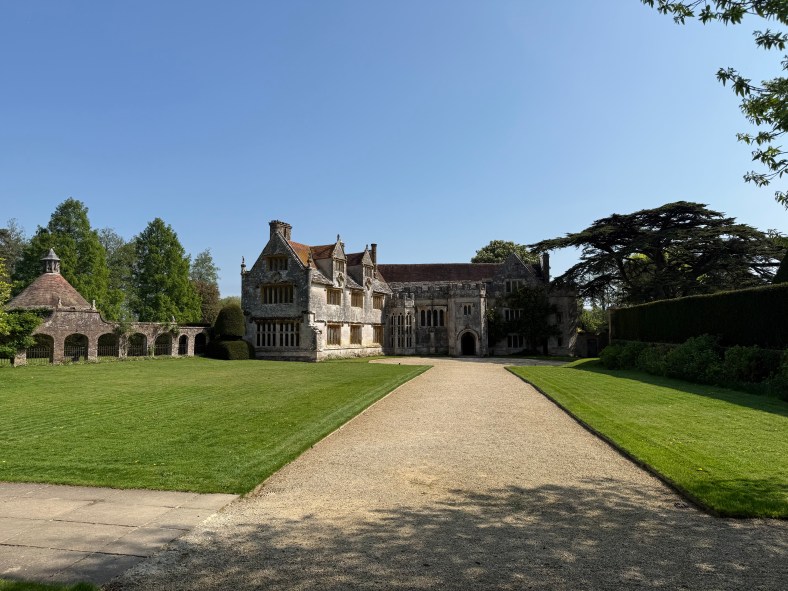
I took my daughter back to uni in Exeter a week or so ago: a lovely drive down the A303 past Stonehenge, under the mystical big skies of Wiltshire and the rambling green fields of Somerset and Devon. On the way back I took the alternate route through Dorset along the Jurassic Coast and stopped off at Athelhampton House, a Tudor manor house I haven’t visited for a number of years with a very strong connection to Thomas Hardy. I didn’t know that Hardy was an architect before he became a writer and that he had worked on the house with his father, or even that he had lived into the early part of the 20th century. He seems to belong to a different time.

The gardens are wonderful – a house with many rooms (this seems to be a recurring theme recently).

Inside, apart from some wonderfully old glass windows which distorted the view outside,

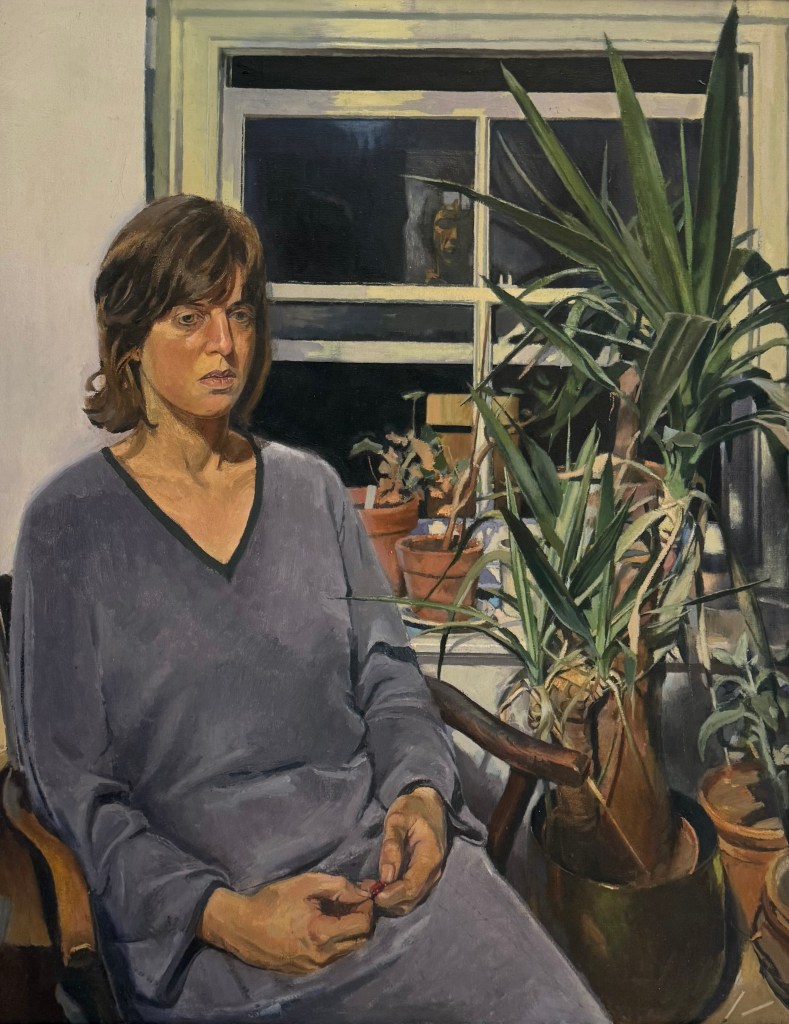
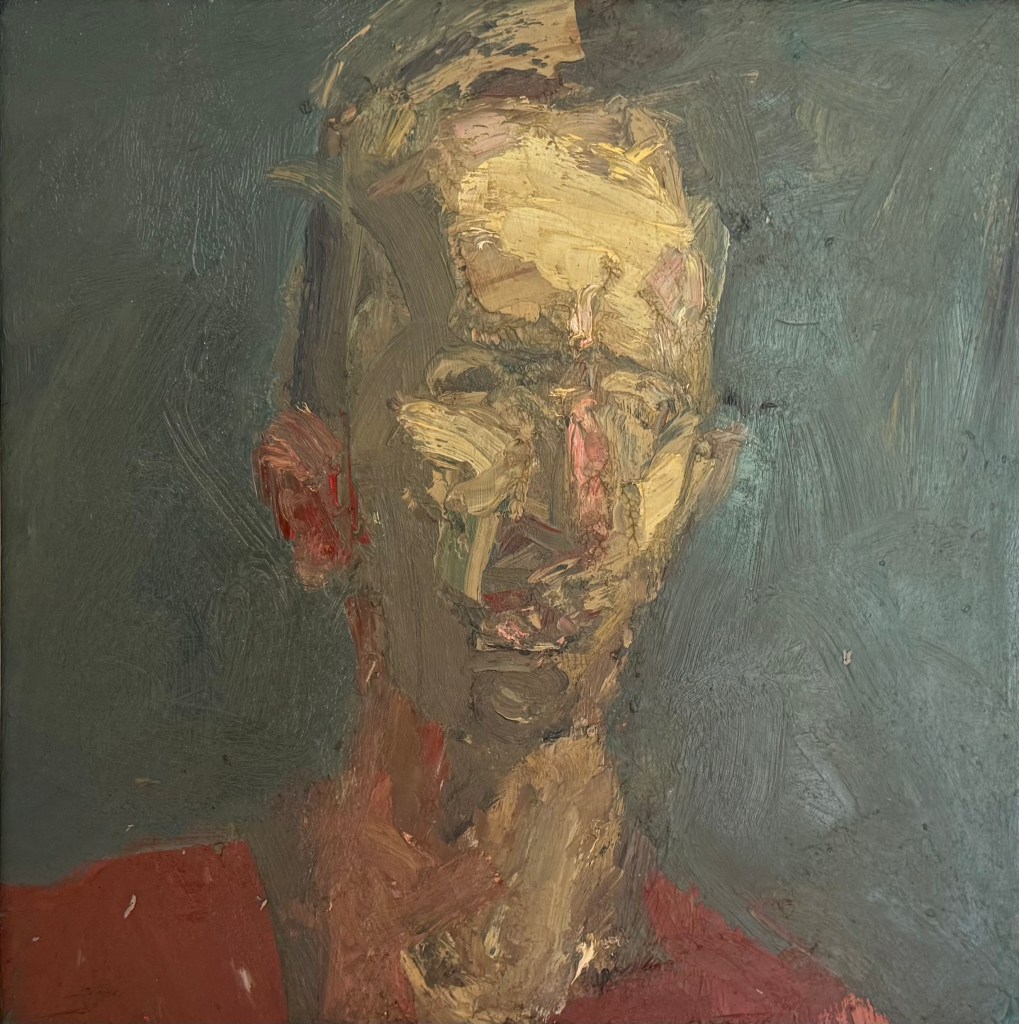
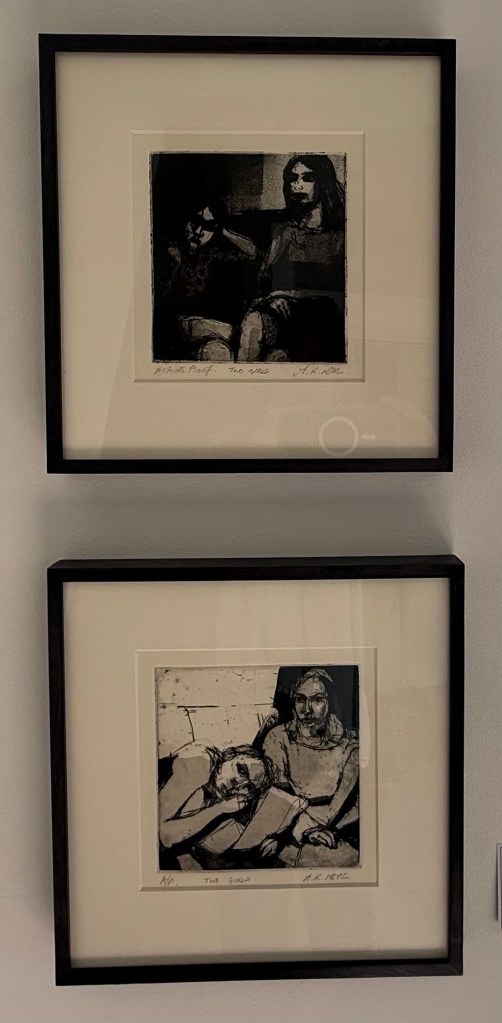
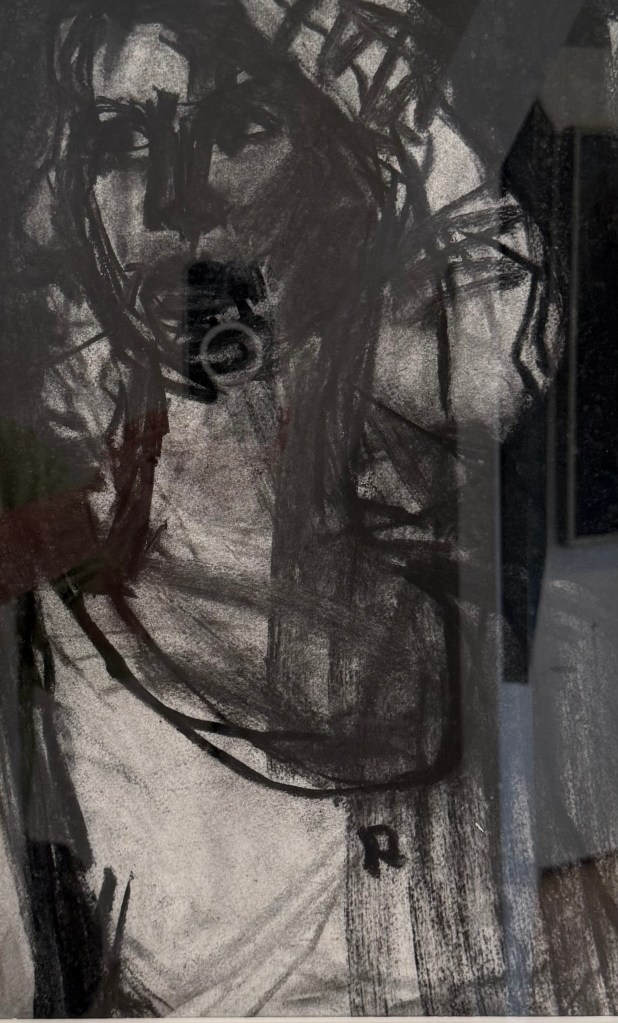
was an exhibition of work by Arthur Neal, a painter and printmaker practising since the 1970s. He appears to vacillate between the figurative and the abstract. It would have been difficult to guess that all of the works on display were made by the same artist. I was particularly drawn to his small abstract oil paintings, his work in charcoal and his more recent prints.

The exhibition made me think. I would still like to explore charcoal and drypoint, and after that I think I’ll be done. It will be time to reflect.

The small oil paintings reminded me of a stack of small canvas boards we’ve had for ages, as yet unused. I can’t recall why we got them – I don’t generally do small. I think my husband bought them because they fit in a small pochard box he is going to use for all those landscapes sketches he’s going to paint, once he has wiped off all the dust. It wouldn’t take more than a few brush strokes to cover them. No excuse really, not to do something every day.

I have a fascination with Jackson’s Inside the sketchbook series – of looking at the sketchbooks of artists, to see how they work and think. Sketchbooks are personal spaces and it’s exciting to get to look inside, although I’m in no doubt that they choose to talk about their best ones. A recent one which springs to mind is Unga from Broken Fingaz. He talks about how working small means that you have to let go of detail. I think I’ll give it a go.

Our House

Is on a bend on a narrow country road full of potholes, and sharp flints which are paddled onto it by tractors from nearby fields.

I’ve lost count of the number of times I’ve come home to find a car parked lopsidedly outside the house and strangers drinking tea in our kitchen waiting for a breakdown vehicle. We’ve had a few road accidents as well, the last one being on 27 May 2020. A motorcyclist was swiped off his bike by a trailer which had swerved onto his side of the road whilst navigating the bend. The Hampshire Air Ambulance landed in the field next to our house.

The driver of the vehicle towing the trailer carried on, but later saw the error of his ways and went to a police station. He was prosecuted. Specialist police officers came to the scene to reconstruct who did what, at what speed etc, and to take photographic evidence. Four years later, I was contacted by a lawyer acting for the motorcyclist who was now suing the driver as he had sustained life changing injuries. Would I be prepared to provide them with a witness statement as to what I saw and heard on the day in question?

Well, I have difficulty remembering what I did last week, let alone what I heard and saw in the fleeting moment they both passed the house four years before. Of course, I said yes, and yes, I understood that I might be required to attend court and give evidence. What I found really difficult was trying to remember what I actually saw and heard myself as opposed to what extra information and thoughts I had accumulated from discussing it with my husband and daughter after the event.

In her book The Memory Illusion, Julia Shaw refers to this as source confusion i.e. misattributing information to our own memory or experience. She specifically talks about it in conjunction with confabulation (in which the event being remembered never actually took place) in the context of early childhood memories. It’s led to me querying my husband’s firm recollection of sitting on his grandmother’s knee with his Dinky car when he was three. Is he sure that he hasn’t seen a photo or been told a story as he was growing up? No, he’s certain it’s a memory. Apparently, the average age for a child to form a memory capable of being recalled in adulthood is 3.5 years, although the range can be anywhere between 2 and 5 years. I am struggling to find my first memory.

I’ve often thought that I would be a really bad witness. I don’t understand how that can be, because as artists, aren’t we supposed to be highly observant? Mind you I was never very good at the observation round in The Krypton Factor. Or do we just observe different things? I’m generally good at spotting when something is different, which probably means that my memory of how something was before is perhaps subconscious and is only triggered when I sense a difference. Who knows? All I know is that I can remember my 16 digit credit card number with no problem at all, which was handy when I went out on Saturday morning and accidentally left both of my bank cards at home, and had to set up Apple Pay manually so that I could put some petrol in the car to get home again.

Anyway, I have recently received an email from the lawyer informing me that the case has settled and that I will no longer be needed at trial. Result!

Where Do You Come From?

It’s a question that I find quite difficult to answer. It always makes me sigh; inwardly, if not outwardly. Nowhere, is an answer I sometimes give: it’s a short version, but demands an explanation.

I don’t really ‘come’ from anywhere.

My father was a soldier in the British Army. I was born in Germany, as were my siblings. Apart from a couple of short stints in England, a year in Omagh, Northern Ireland, and two years near Kowloon, Hong Kong, I spent most of my formative years in various locations in Germany.

It was a peripatetic life, the only constant being trips back to visit my grandmothers in the UK, both of whom lived near Derby in the Midlands. At the time, it was exciting regularly packing up our belongings in big army crates and stencilling the details of our next destination on the outside. Even more exciting was the unpacking at the other end, waiting for the crate with our favourite toys to be opened.

When my father retired from the army, we settled in Essex, for no other reason than that is where he got a job. I went to a local secondary school and then went off to university in Leeds, followed by law school in Chester. Then it was London until I moved to Hampshire twelve years ago. I don’t intend to stay here forever.

So, if I don’t come from anywhere, where do I belong? I can’t think of any geographical location to which I feel any sense of belonging. Maybe the answer lies in where I would like to be buried, but I still can’t think of anywhere. The ashes of both of my parents are buried at the church where they were married, in the village where my mother grew up, where most of her relatives are buried. If I die now I’m likely to end up in Basingstoke Cemetry at the intersection between the A303 and the M3 – just think of the noise!

I think the only sense of belonging I have is to my family.

My husband, on the other hand, is very clear as to where he comes from: Liverpool. He’s not lived there since his early twenties, but that matters not a jot. Personally, I don’t think I have come across a geographical location that instils in the people who come from it such a strong sense of place, belonging and identity. And it’s not just about the Beatles and football, although my husband would quote Shankly and say that Liverpool has the two best football teams in the world: Liverpool FC and Liverpool FC Reserves. It is something more than that, and I can’t quite put my finger on it.

I’m in two minds whether I’m incredibly envious of my husband, or whether I like not belonging anywhere – there’s a feeling that you could leave everything at the drop of a hat and move on. There is also something quite appealing about the idea of starting afresh, and leaving behind old baggage – a metamorphosis.

This train of thought was triggered by going through old family photos. Before he died, my father had started reorganising the family albums. Half of the photos are in brown envelopes. I’m attempting to bring some order to them, and to digitize them. It’s a long, slow process, picking through a family’s history; my history.

Stuff

During our session at the brain gym this week, I explained to Dalal and Josh that I have been struggling to make finished work, as opposed to the products of experimentation. They both agreed with Jonathan, who, during my tutorial, had questioned whether I felt a pressure to make finished pieces; the experimentation stage is a place to stay for a while, and will, at the right point, turn into something more complete. I commented to Josh and Dalal that part of the problem may be that I’m ever conscious of time passing, and so I feel that I should be making the most of every minute – preparing the work plan had brought into perspective that there are a finite number of weeks left of the course, and that made me experience a moment of what I can only describe as loss.

I had hoped that a more productive phase would be imminent, but I suspect that at the moment this is being hampered by not having the headspace, or the physical space.

My husband is about (fingers crossed) to complete on the sale of his parents’ house in Liverpool – his childhood family home. He has been up and down, bringing things back. I find the process very difficult – I don’t have a problem with keeping things of use or of sentimental value, but another can opener? We have enough of our own stuff. We, or more specifically I, don’t need to add our parents’ stuff to the mix. I feel like I’m suffocating under the weight of belongings, many of which are occupying the physical space where I should be creating (more stuff?). Admittedly, I’ve been sorting this space out for I can’t remember how long, and made absolutely no progress. I’m conscious that my daughter will, one day, hopefully not in the foreseeable, have to undergo the same process – I don’t want her to be weighed down by all the stuff.

Along with the stuff, he also brought back what remains of one of his best friends from school, who died suddenly last year. His friend had left instructions as to all the places where he wanted to be scattered, including our garden, as he enjoyed coming to visit. Unbeknownst to me, my husband had brought him into the house and put him on the shelf, next to a glass bowl which had belonged to his parents, and which he had smuggled in as contraband whilst I wasn’t looking. My heart sank as I saw the bowl, and then the black bag next to it – what’s in here I thought as I opened the bag and took off the lid, another ornament?…

Dialogue III – That Will Do

I’ve always thought that if you do something, you should do it to the very best of your ability, no matter what. My husband is very much of the ‘that will do’ approach, which used to really irritate me.

With hindsight, it was an impossible ideal – it’s obvious that I couldn’t do my absolute best at everything I did in life; there’s only so much time, and so much of me. It was a tall order to impose not only on myself, but also on others – it led to feelings of disappointment and dissatisfaction. It was also the slippery slope which led me to strive for perfectionism in my art. Over the last few months, my mindset has shifted, I would say, seismically.

That’s not to say that I’ve stopped caring, or have become laissez-faire. I would like to say it’s because I now care much less about the result, and more about the process, but I’m not quite at that point yet. It’s more that I’ve stopped imposing such high expectations on myself – in the past their achievement might ultimately have given me a moment of satisfaction, but it was rarely ever enjoyable or something that I actually wanted to do. Now, I feel that I am motivated by what interests me, and I would still like to do my best, for example, in the sense of making the most of opportunities and ideas, but I recognise that there are so many variables which could influence what that might be.

Anyway, long story short, I’m done, finito, and heaven forbid – it’ll do.

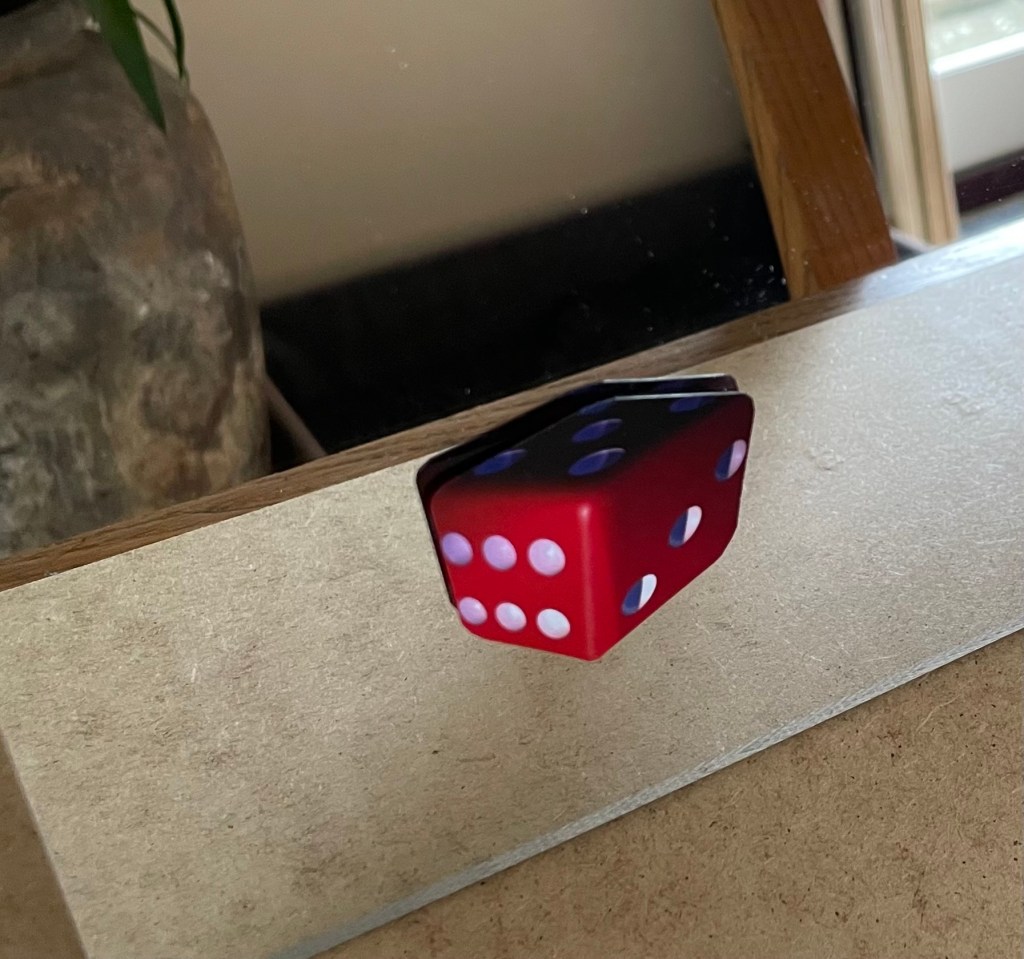
So, I had the mirror images printed and fixed them to the back of the existing cut outs. I used a crafter’s glue – Tombow mono liquid glue – as it seemed the least likely to cause buckling etc. Now the cut-outs were thicker than they were originally which caused a problem of the white edging. Also, even using a brand new craft knife didn’t prevent some of the edging being visible face on, which was particularly irritating – I don’t really do fiddly stuff and I’m not the neatest – as I had been really careful when cutting them out. I used some highly pigmented coloured pencil to get rid of the white as best I could. I then glued the cutouts onto the mirror, which proved tricky as the mirror surface had to be wet for the glue to cure properly. I managed it as best I could, but it was a tricky process trying to get enough glue on the back of the cutout for it to fix, but not so much that it would ooze out from underneath and react with the water on the surface.

It will do.

Next problem: photographing the finished piece.

Come And Have A Look At This

Said my husband as I was trying to cook dinner this evening. With a sigh I carried the onion I was about to peel into his office, where he told me to sit down, because I was going to like this.

https://www.bbc.co.uk/news/videos/c1dg9zr0xelo

Give him his due, Hockney is not one to rest on his laurels, and a generous soul to boot, sharing his process. Do I have to make dinner? I’d rather have a go on Procreate now…

We’re So Excited

No, not the Pointer Sisters. My second tutorial with Jonathan this morning.

I’ve had some additional thoughts whilst writing this up and put them in brackets in italics as a reminder to me – they didn’t form part of our discussion.

He asked me whether I feel that I have been productive.

I told him about something my husband had read out to me from his Facebook feed last night on the basis that he thought it was relevant to me: “ambition without action turns into anxiety”.

In terms of posting on my blog and thinking and having ideas, yes. In terms of actual physical output, no. But that doesn’t really concern me as I feel that I am about to enter a different phase; up until now I have been collecting ideas and inspiration. I’ve done enough now, although the process of collecting will always continue. I tend to have periods of inactivity, of thinking and pondering, followed by intense periods of activity.

We talked about the exhibitions that I’ve visited and written about in my blog; my thoughts and takes on the artists and work I have seen, which he found interesting.

I mentioned entering the Summer Exhibition as a way to make myself make and how I’m viewing it as an experiment. In previous years I have spent a lot of time and emotional energy in creating work which has then been rejected, but still I enter every year – it is almost a masochistic ritual. This year I’m not investing the same amount of energy, although it’s turning out that my time has been taken up with problem-solving, rather than emotional input anyway. It will be interesting to see whether the feeling of rejection stings as much. Theoretically it should, because a work which I create in 5 minutes should still have the same value to me as a work which takes me 5 years to create.

*(How to value work? Time spent? Size? Type of material used? Obviously, there’s a break even point, but beyond that?)*

This feeds into my concern about the extent to which I can take credit for a work in which others have had an input, or in which chance has played a major part. I mentioned the possibility of having to engage the services of a professional printer to screen print on a mirror and referred to the Phyllida Barlow video in yesterday’s session; I saw an exhibition of Barlow’s work last year at Hauser + Wirth and watched the accompanying video documentary in which she had technicians assisting her. I also mentioned artists such as Damien Hirst who have a team of people who help make their work. I tell myself that it is enough that it is my idea, or that I created the particular circumstances in which chance created something. It is a mantra I keep repeating to myself, and I think that I am starting to accept it.

Jonathan advised that it’s absolutely ok to have others involved in the making. He mentioned master printmakers to whom artists would look to print their images and his augmented reality project in Cornwall in which he had to enlist help with the more complex coding he couldn’t do himself. These others don’t necessarily have to be acknowledged on the label (although he did acknowledge his) – it is enough that they are acknowledged in the process and the work itself. In fact, printmakers would often supply a certificate in an edition print to confirm that they had destroyed the plate, their input being acknowledged that way.

We then went onto to discuss readymades. I mentioned that I’d had an idea for the Summer Exhibition (which in the end wouldn’t have worked because it would require having to be regularly recharged) of using an old rotary telephone with a message on it from me inviting the viewing public to leave their own messages. Donald had mentioned in the session last week about mobile phones no longer being used for their initial primary purpose of calling people but as a messaging tool. I have researched sourcing an old one and getting a sound board fitted etc, but then discovered that the wedding industry has actually already produced one. I thought that I could possibly use this idea for the interim show; the fact that it is a space which is open to the public for a prolonged period of time seems to me to be a resource which shouldn’t be wasted – I could use the phone as a way to collect research data and then use that to inform my work. Jonathan commented that it is interesting that I have thought about the space and what it offers as a potential for interactivity. A student in one of the past interim shows had a work which was made by the public writing on postcards on the subject of grief and loss – there were the odd few on which children had drawn pictures, and that’s the issue with interactive exhibits. Usually in a gallery setting there is a line across which the public cannot cross; once the public are encouraged to cross it by an interactive piece, they are without any guidance as to how they should behave. He referred to an interactive exhibition where many of the exhibits had elements which had been damaged by the public, although not maliciously, even whilst the exhibition was being invigilated. I would probably need to think about maybe just having it there for the opening night, which would give me the opportunity to engage with people.

*(I need to think about this. The benefit of people using it when no-one else is around is that it would encourage a more personal response? What is the piece of work? The telephone or the messages? Does it matter if it is damaged after the first night as long as I have downloaded the messages from it? Leaving it longer will increase the number of interactions, but increase the risk of misuse.) *

Jonathan asked me what energises me. I don’t really have much energy at the moment, but maintaining my blog energises me: I enjoy doing it and it’s something that I find easy to do on a regular basis. I see it as being very important to me as both a note making tool which I can just scroll through to remind myself of what has interested me and as a record of the process. I see it as being a piece of work in its own right at the end of the course as it will embody everything about me. Jonathan mentioned that a past student had actually turned her blog into a book, which takes a lot of time to work out how to do particularly when deciding what to do about videos etc. This is actually something that I have been thinking about doing myself. Jonathan commented that the tag cloud at the moment shows ‘mother’ and ‘drawing’ as being the areas of interest. I need to go through all my past posts and make sure that I have categorised and tagged them correctly and this process itself, Jonathan observed, would be a valuable reflective exercise.

Jonathan then asked me what is a challenge. Making ‘finished’ work. I feel that I have been dipping my toes in various ponds, trying things out, experimenting but not taking things that step further. We talked about the kitchen lithography and whether I would do it again. I think I will. The DIY aspect really appeals to me in the sense that I can do it at home, and not have to go into a specialist place, with expert people, where I don’t really know what I’m doing. I mentioned that last summer I became obsessed with cyanotypes and want to revisit them. To this end I’ve googled how to make my own lightbox and have bought a UV light etc.

He asked me whether there is any particular mark-making process that I like. I am not sure at the moment, I’m still dipping my toes. On the subject of liking something, I mentioned my painting which I recently did in my oil painting class, and not liking it but enjoying the process and my subsequent quandary about thinking that I should, as an artist, embody everything that I like in other artists and their work, which I think has made me feel as if I’m in an identity crisis. I can’t be every artist that I admire, I can only be me. I love colour but I’m not a colourful person in terms of the way I dress. I don’t want to pigeon hole myself. Jonathan asked whether I felt that there is an expectation to. I have in the past in the sense that people have told me that as an artist people expect a consistency in approach, although Picasso was a painter, printmaker, ceramicist and sculptor.

I’ve also asked myself whether I should even have to like my work or if enjoying the process is enough. I think I have reached a place where I will choose the mark-making processes which I enjoy, and not worry about the result. Jonathan read my comment back to me, because this is a huge shift in perspective for me. I really think that the blog has been instrumental in this – making me put work up which ordinarily wouldn’t see the light of day. He said that he gets a real sense of everything that I’ve been doing is being directed towards a point, which is unknown as yet, and that I shouldn’t feel a pressure to produce work.

Whilst I can multi-task, I find it difficult dealing with several things which are mentally and emotionally draining at the same time. I think that once I get the study statement out of the way, I’ll feel like I can start to make. It’s not that I see the statement as a barrier to making, unlike the inertia I felt at the time of my last tutorial. It’s been incredibly helpful to focus my thoughts and set out a framework within which to operate but which allows enough room for exploration. I commented that I often go off on tangents, for example, I was looking again at the flowing water posts and thought to myself that it would be interesting to follow a river from its source to its end, and make a body of work. Jonathan said that would be an interesting project as it could involve all sorts of media, such as video. He said that it is important to make note of these ideas so that they can be revisited in the future.

As from next week I feel that things will change. It’s a bit like learning how to play a new game. You can look at the rules, but the real knowledge comes from actually playing it. I feel like I’ve been having a quick look through the rule book to get the general gist, and now I’m ready to play the game. Jonathan asked whether the interim show is helping with this. It is, definitely. Aside from the telephone, I have been thinking about cyanotypes on fabric which can be draped – I’m in the process of digitising my parents’ family photos which I’m thinking I could use – or maybe some prints. I hope to become a bit clearer on where I’m going from next week.

I told Jonathan that I feel like a different person to the one who started the course in October. I feel like me, whoever that is. I feel alive.

*(On that basis, I should have answered the question about what energises me, as being the course. I mean ‘alive’ in the sense of feeling open to new experiences, noticing so many more things, feeling whole, engaged and energised.)*

Jonathan ended by reflecting that it’s great that I’ve really put myself into the blog and that I’m letting myself get lost in the confusion. He’s looking forward to seeing what comes next, and that I should carry on as I’m doing. He’s excited. I’m excited.