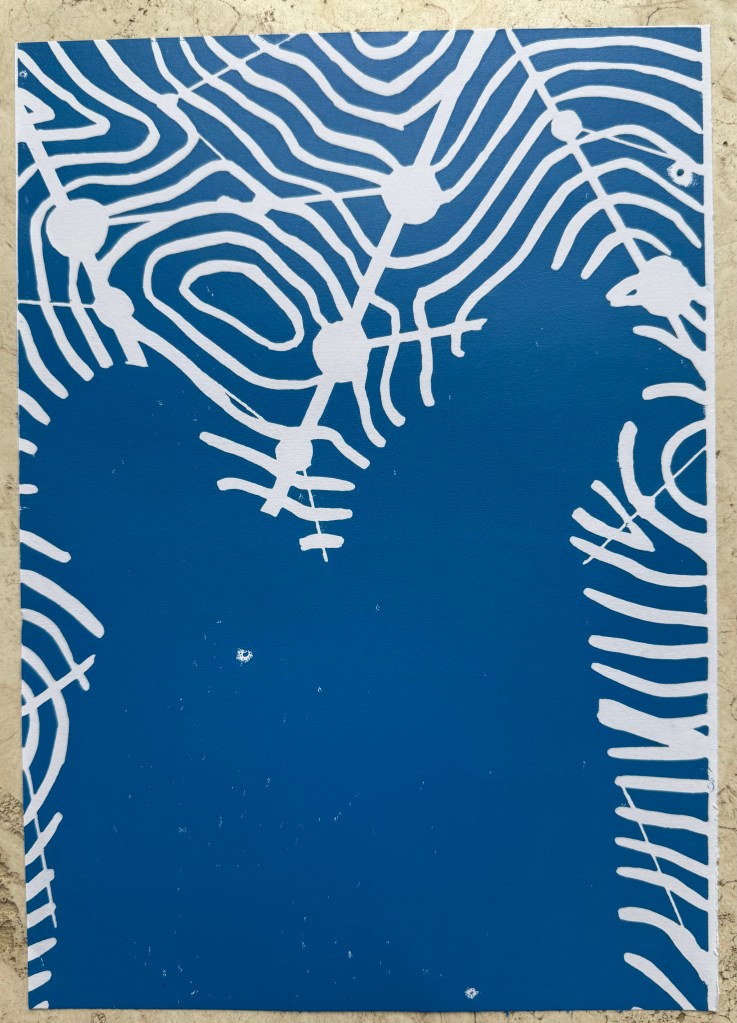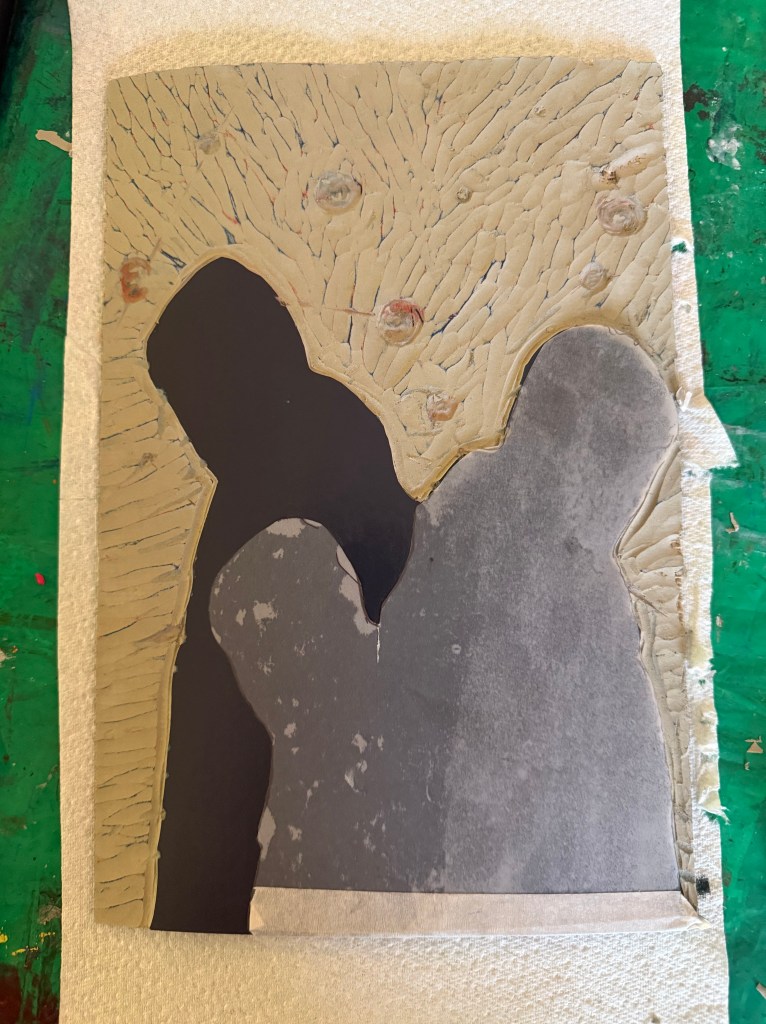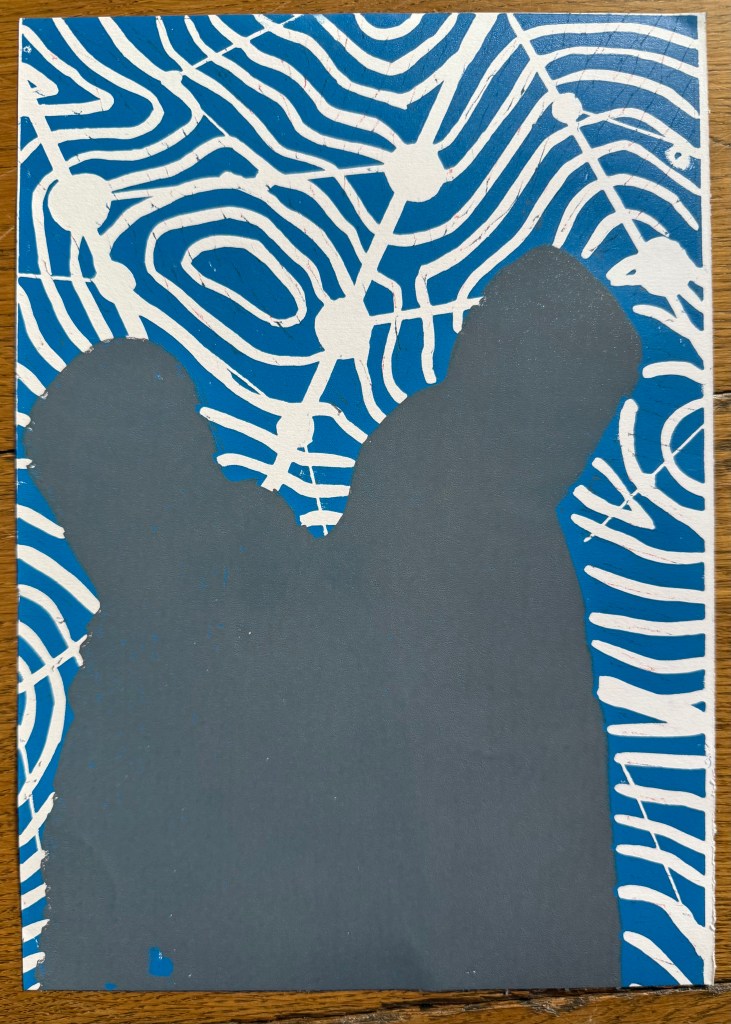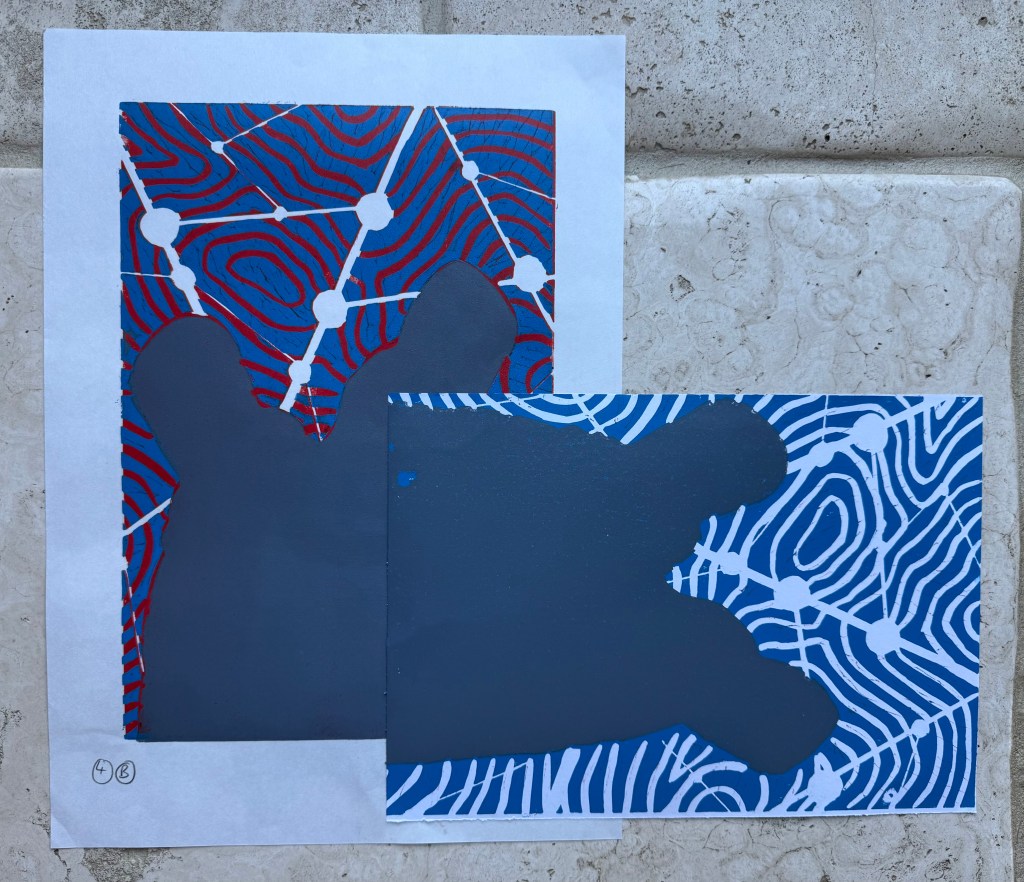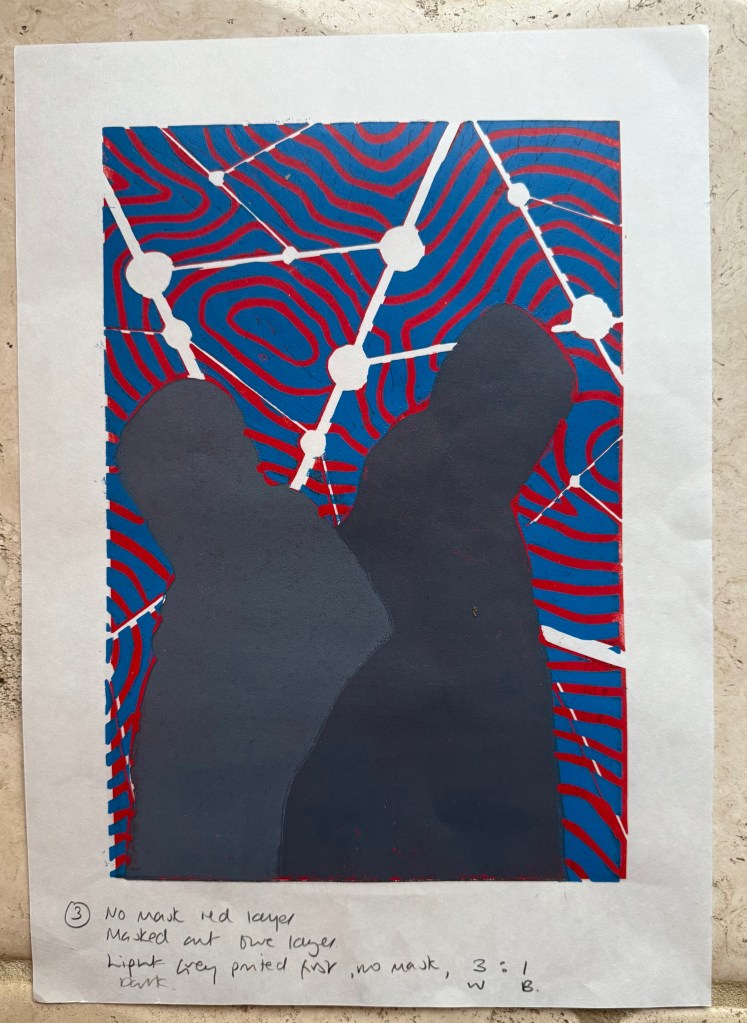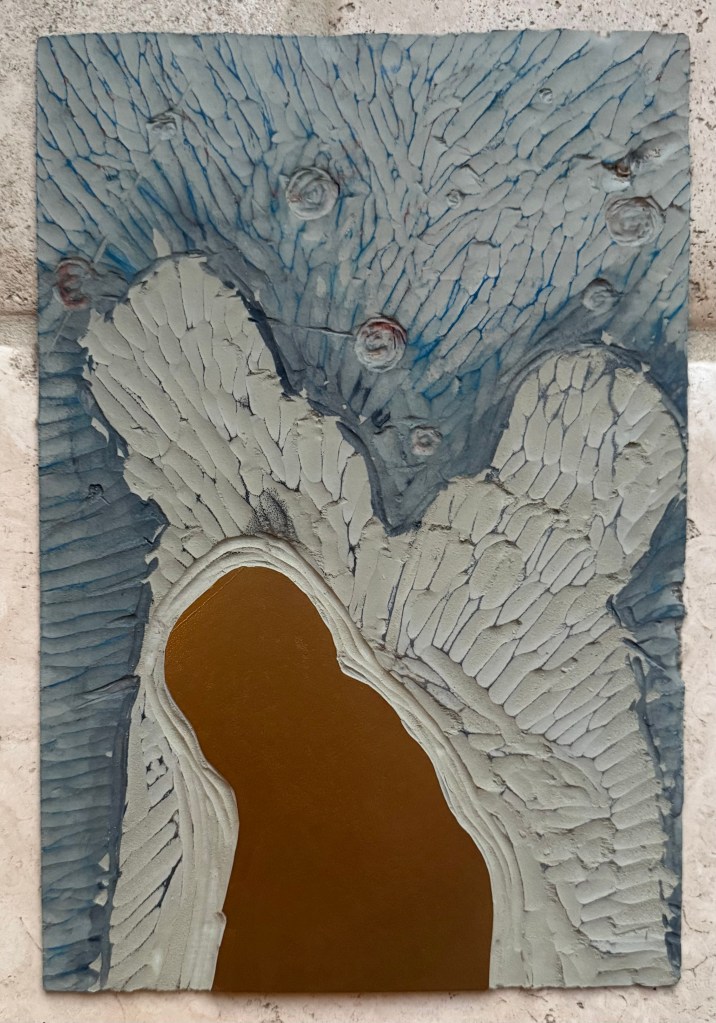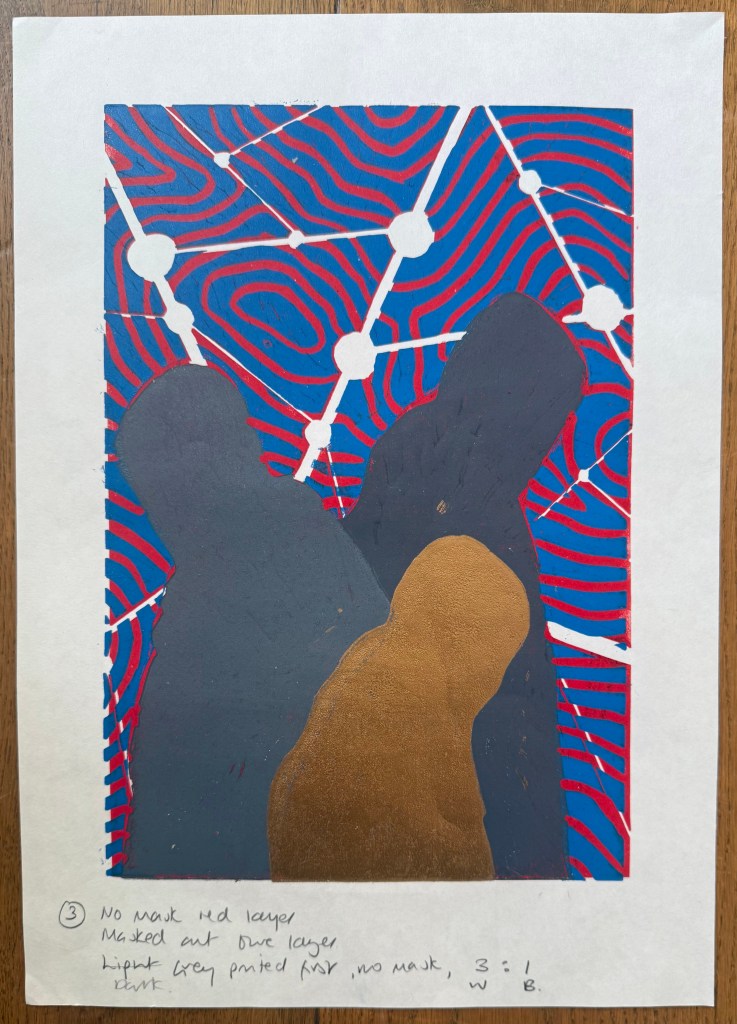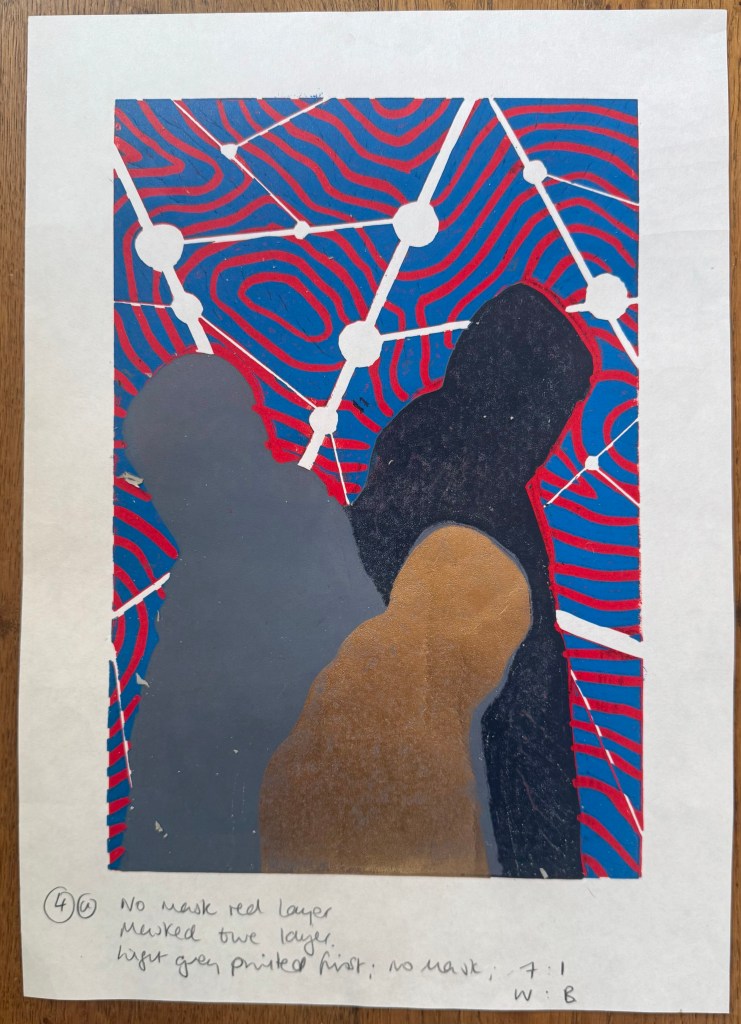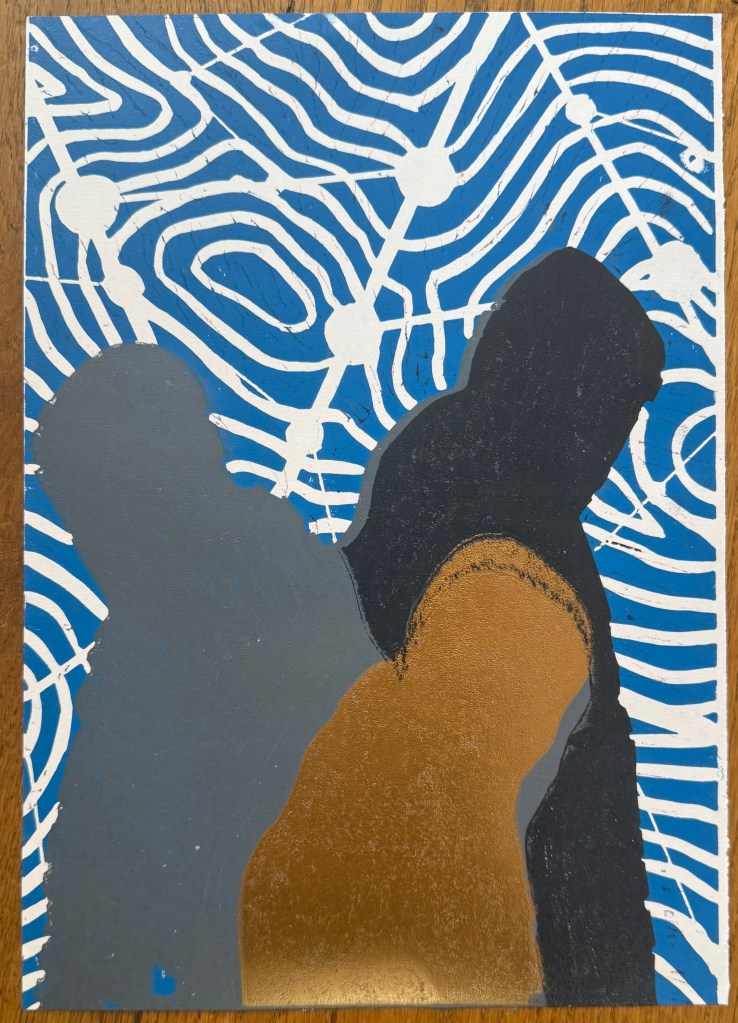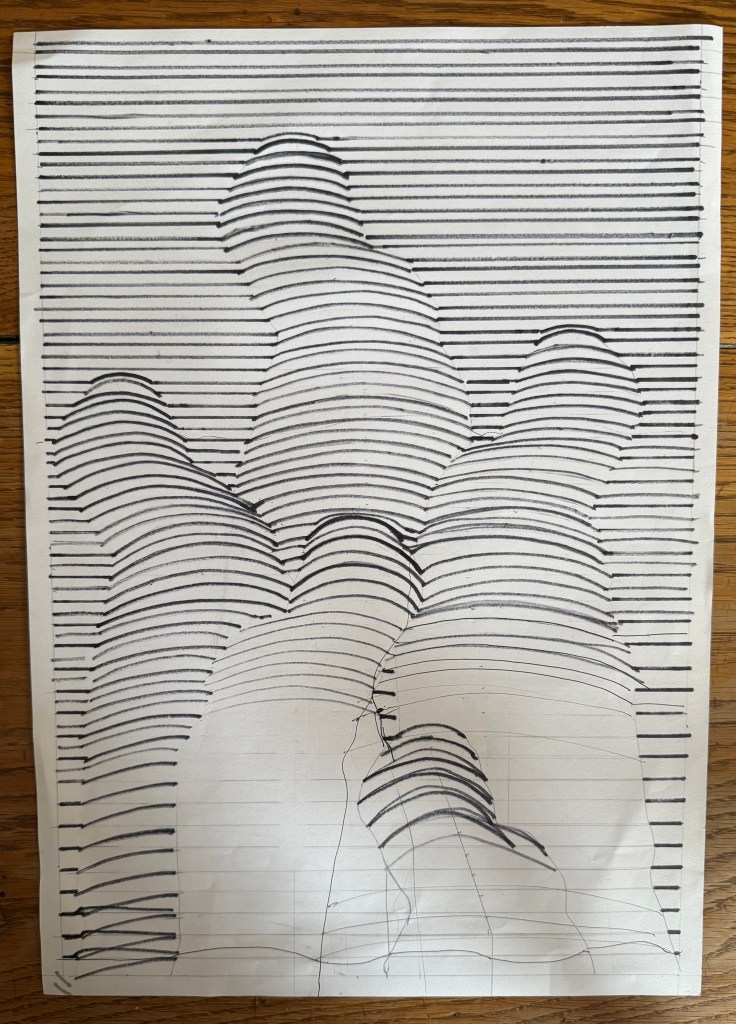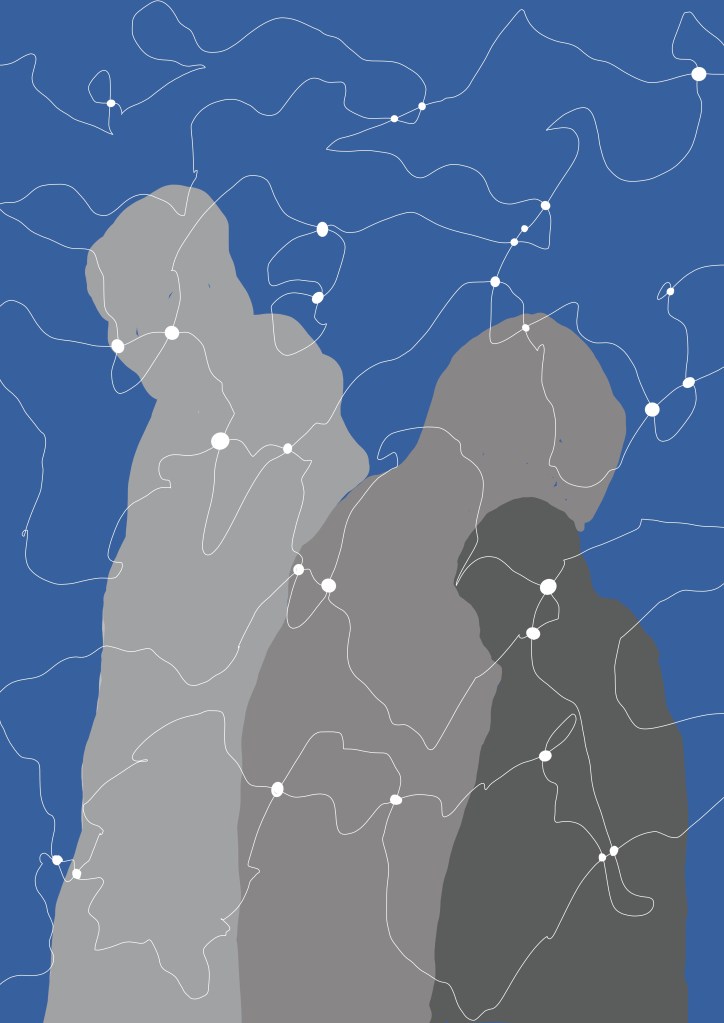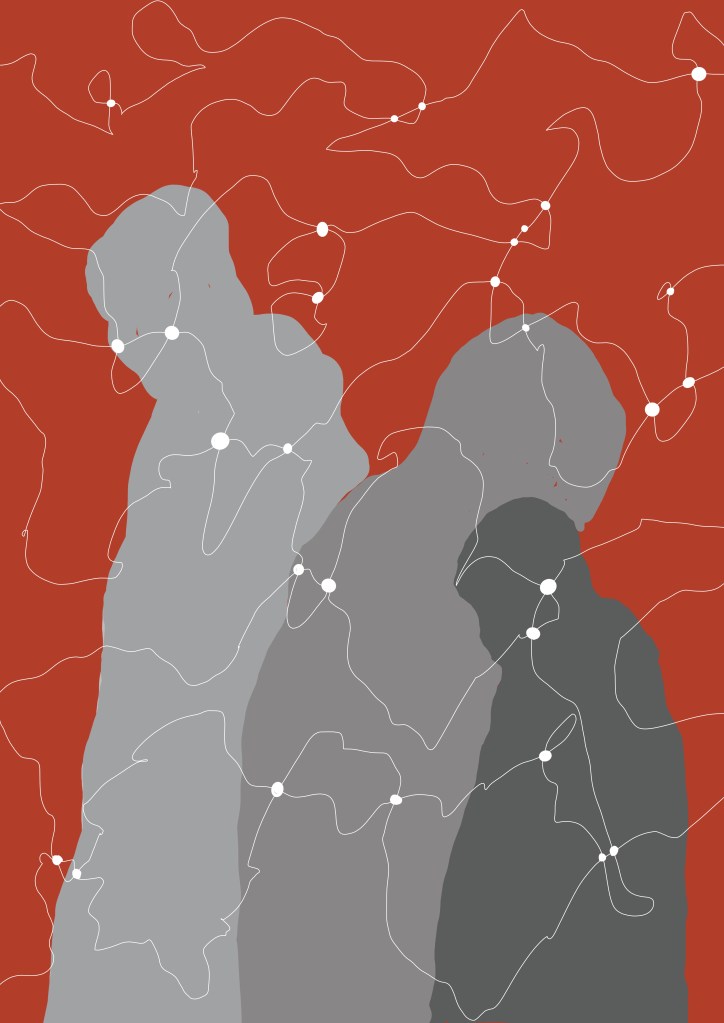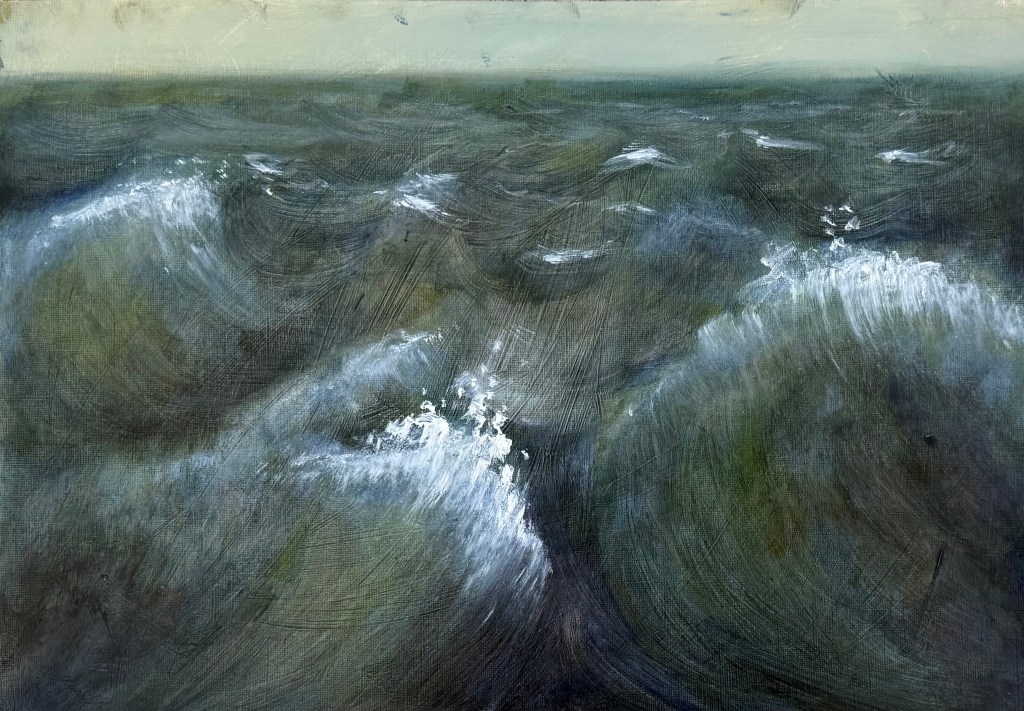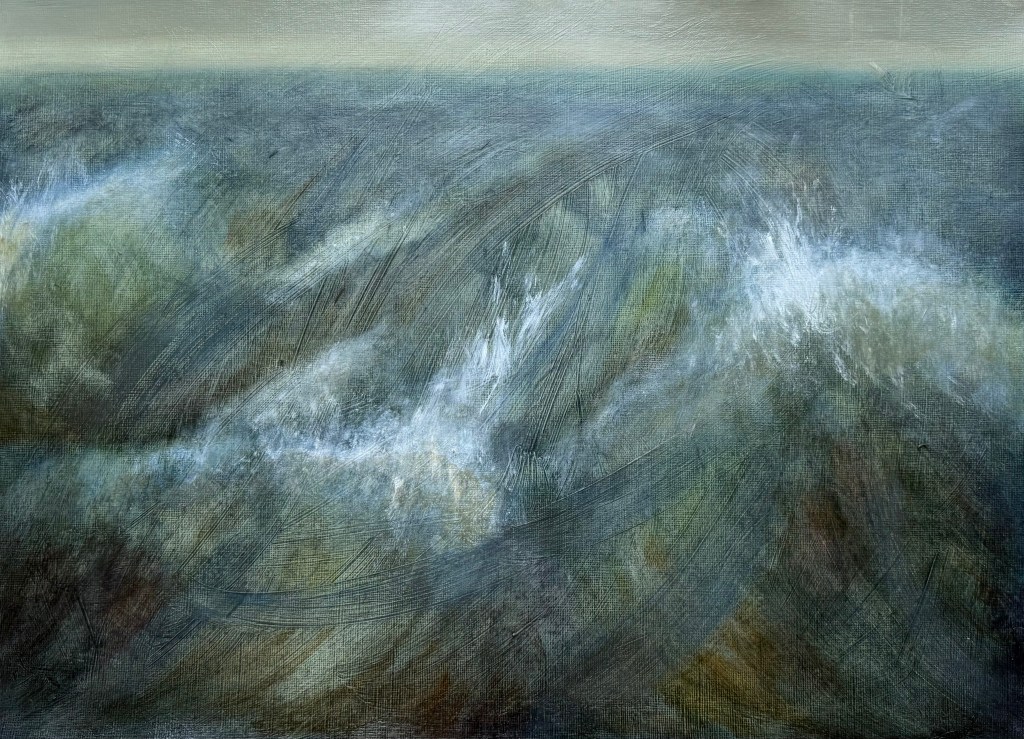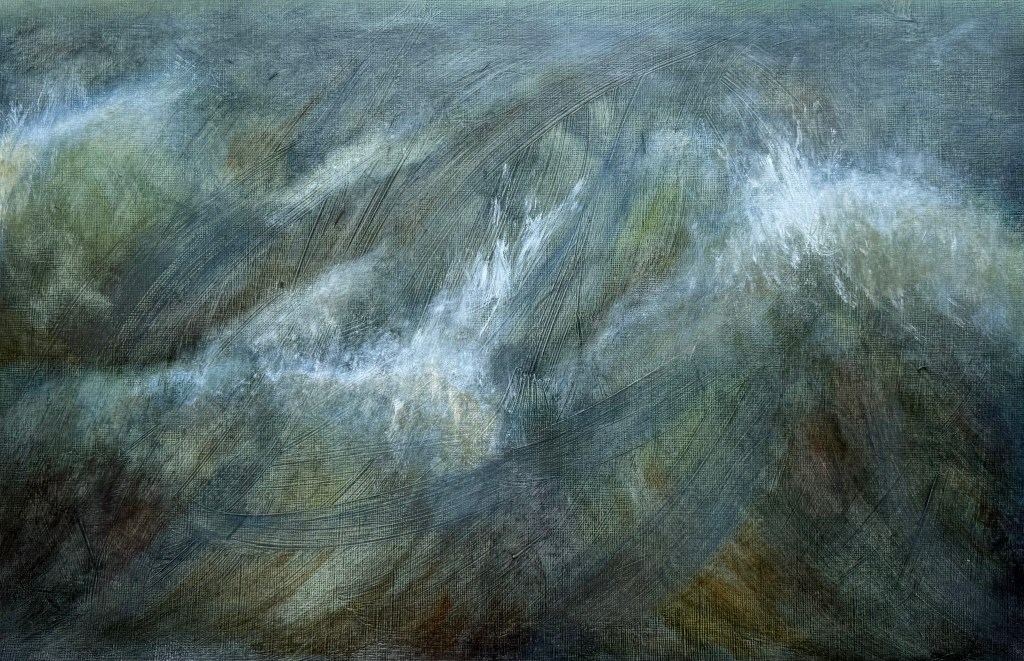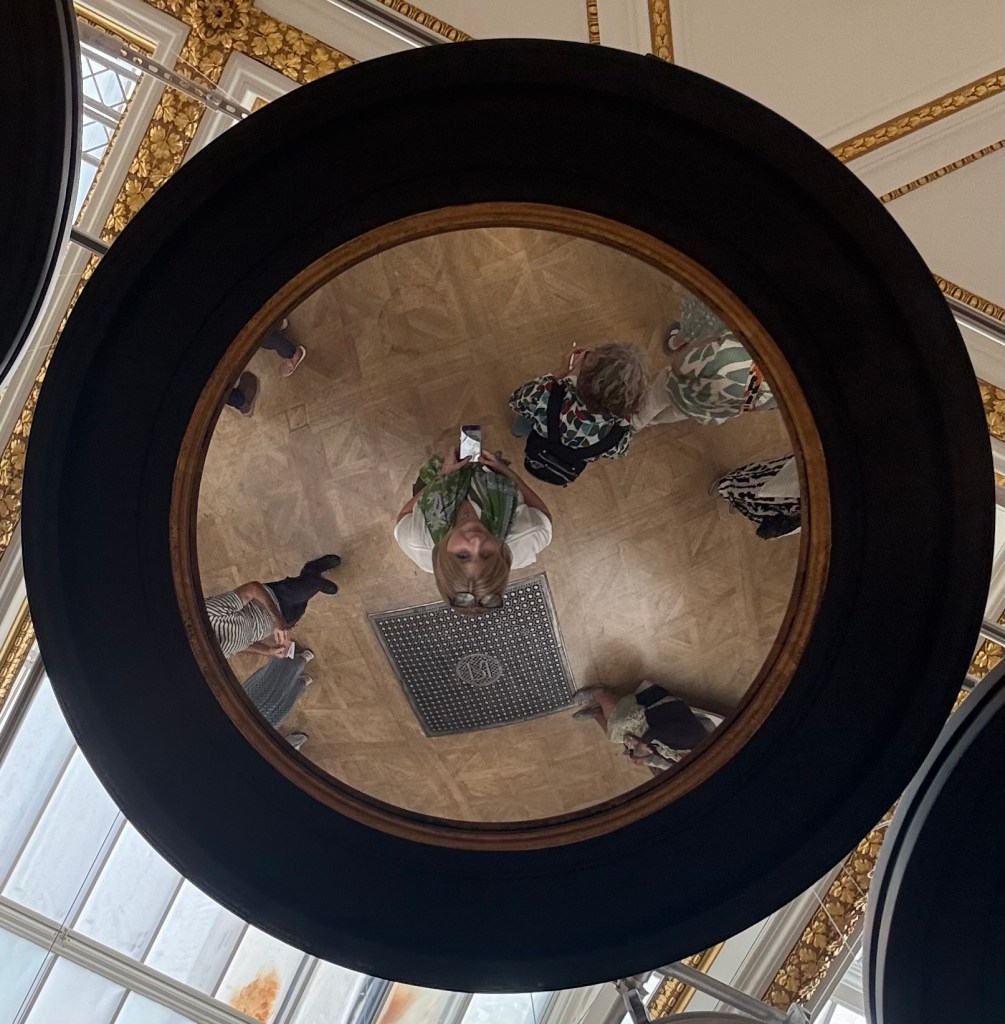
In A Flash

Whenever I don’t have to drive, but am driven, I like to look out of the window at the world as it passes by, to daydream. It reminds me of my childhood and Sunday afternoon drives, safe in the car away from all the witches and ghouls which were out there in the woods, which were left behind – those were the days when you didn’t have to wear seatbelts – I was fascinated with looking out of the rear window to make sure that we weren’t being followed, to watch as we left behind.

I remember my father driving us in the darkness to catch the ferry back to England to visit my grandmothers, the bright lights of the car dashboard, of the ferry and port. The moment of held breath as we embarked, over the ramp, the car laden with all of our stuff, low to the ground. Even now I get a buzz of excitement when driving late at night and the heavy machinery rolls out onto the motorway, the flashlights, the hi vis, the noise.

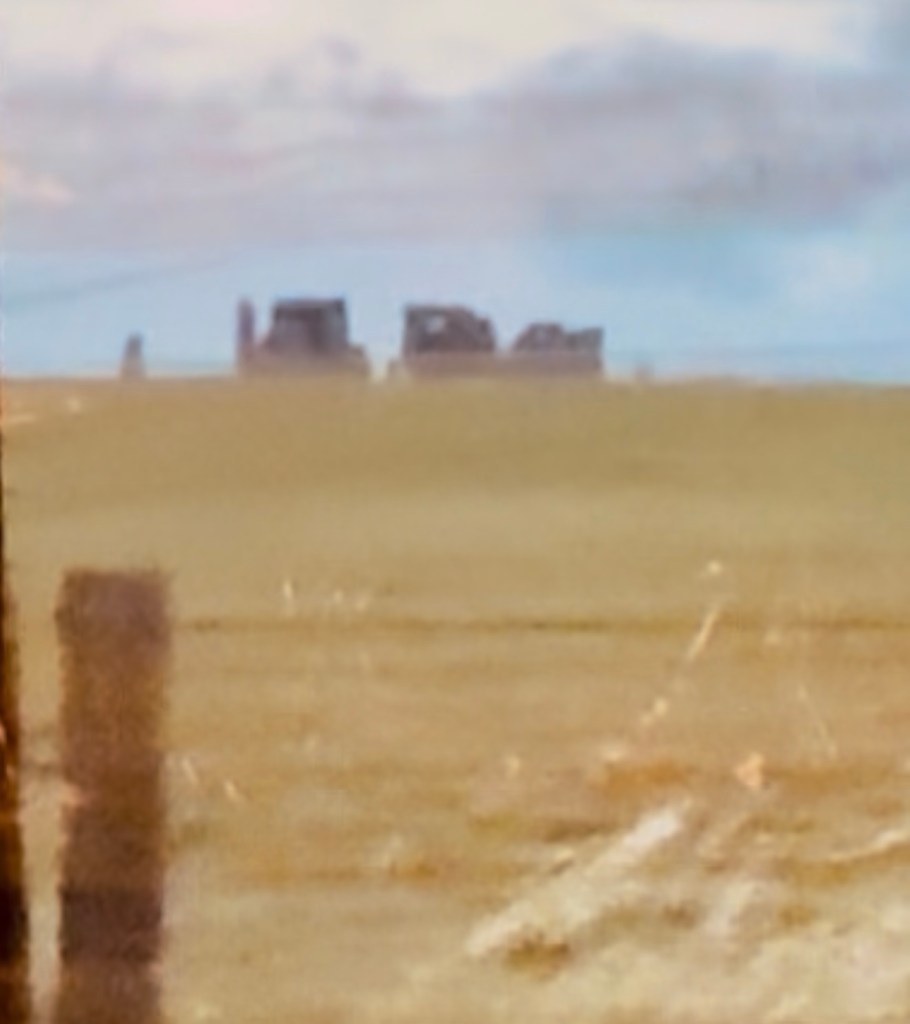
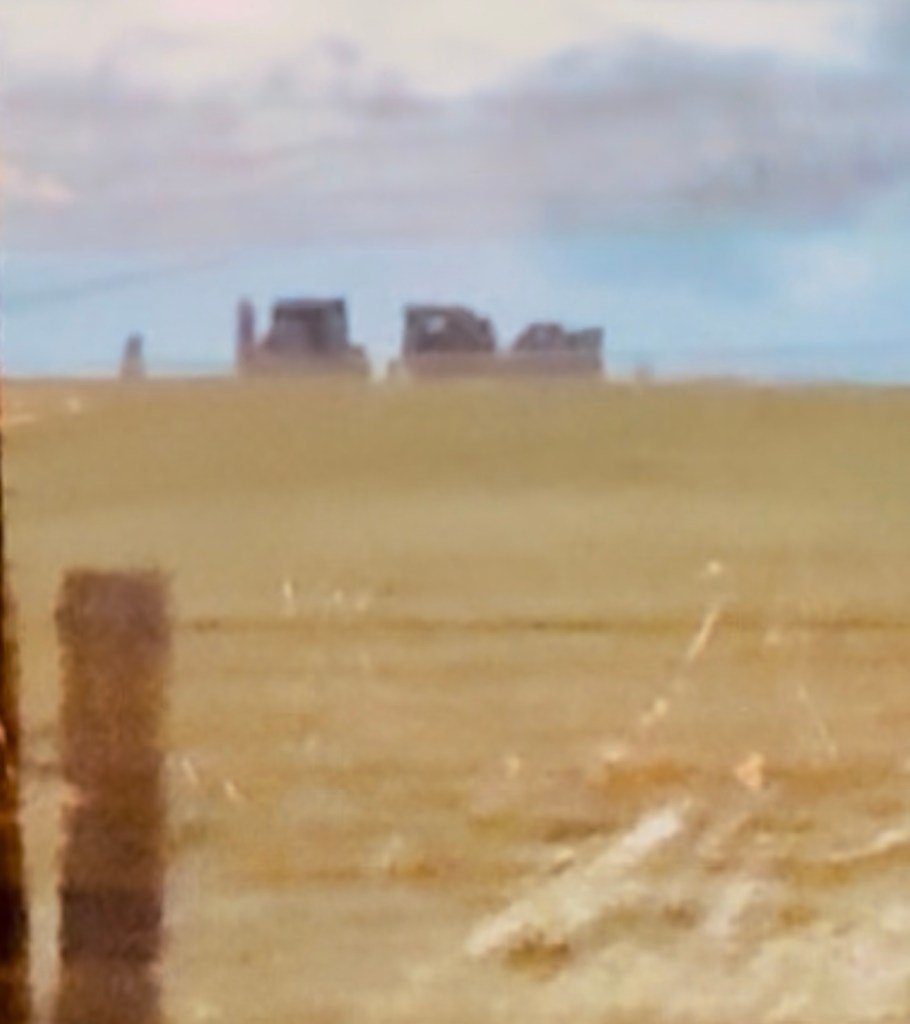
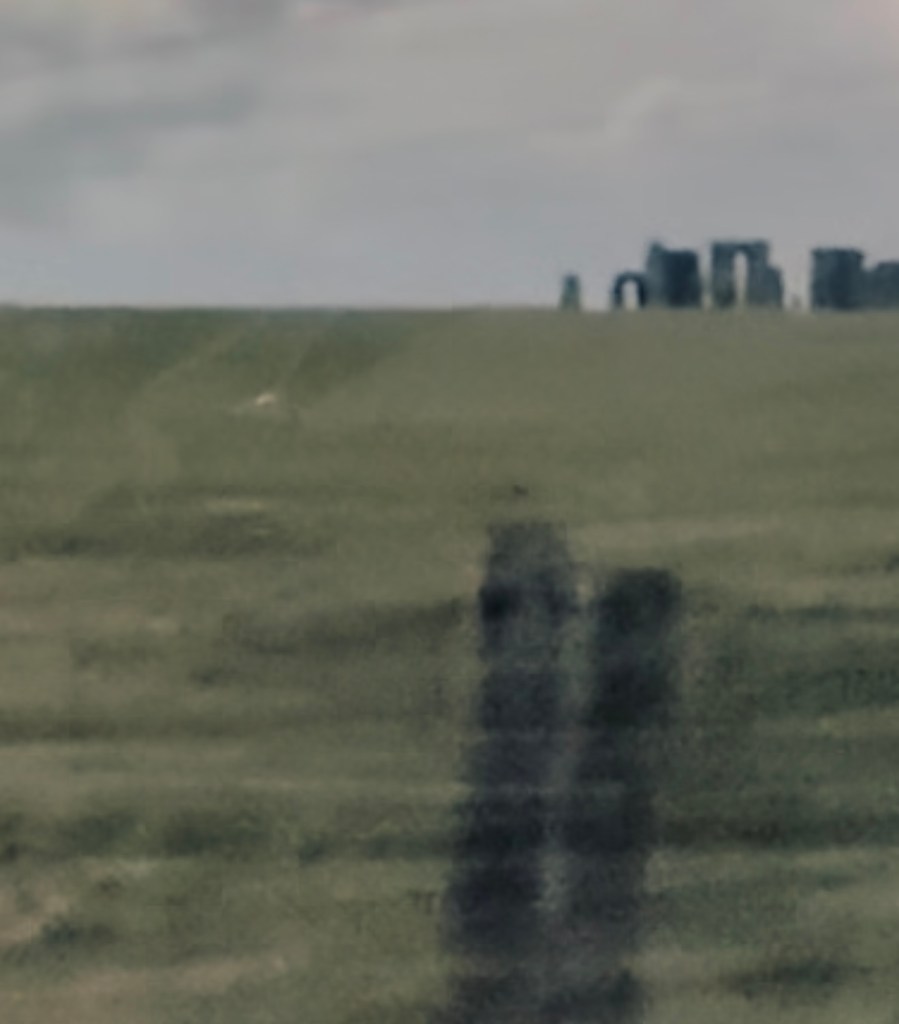
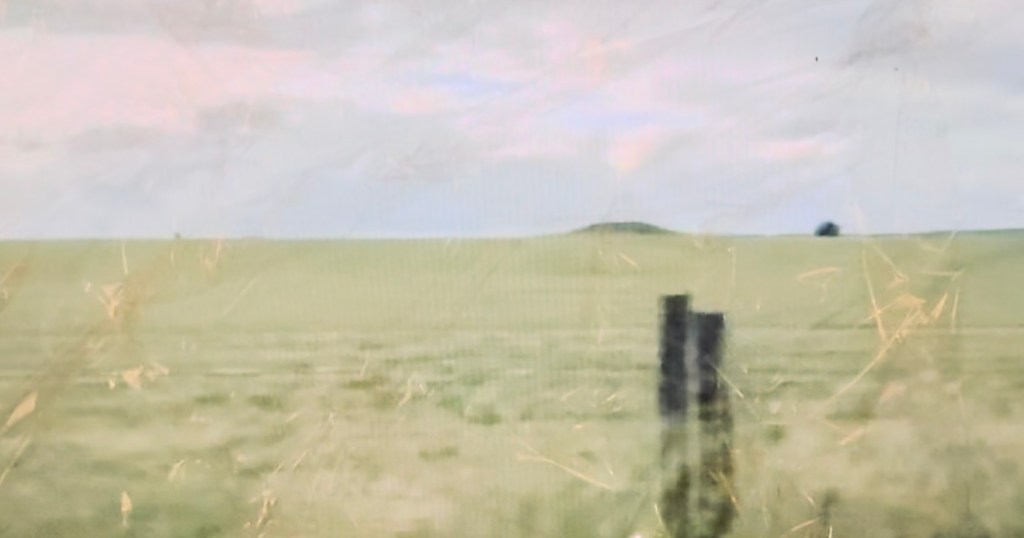
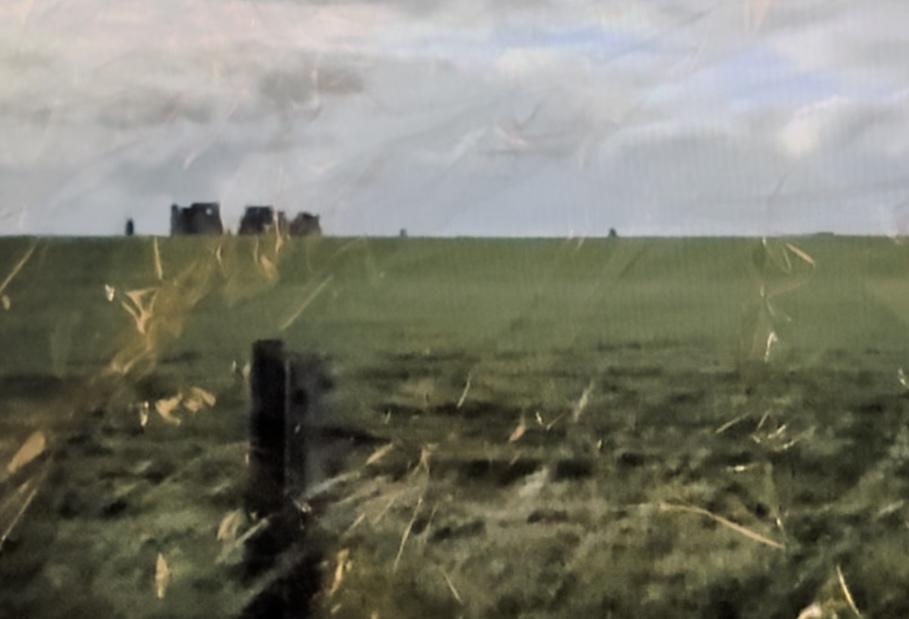
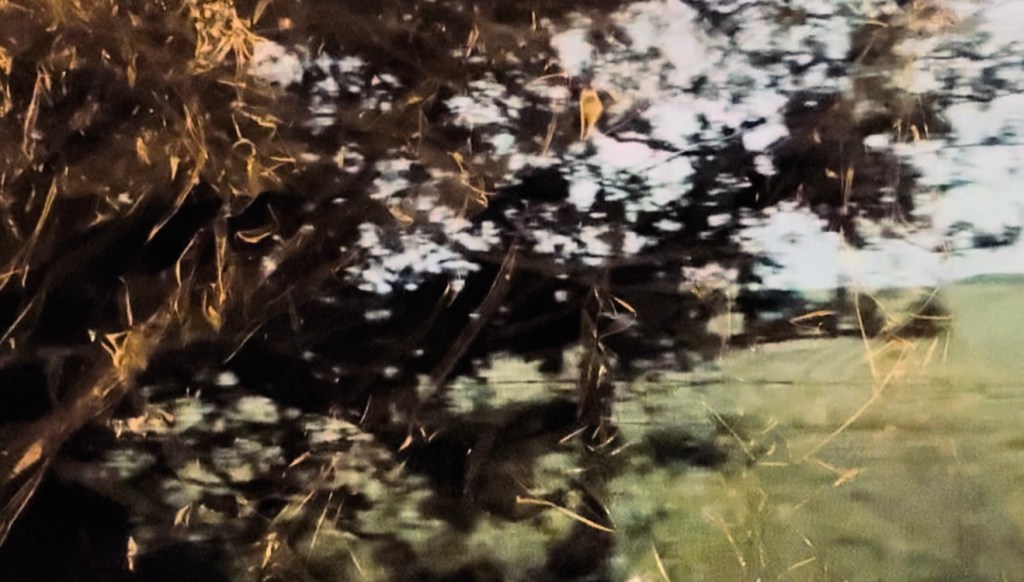
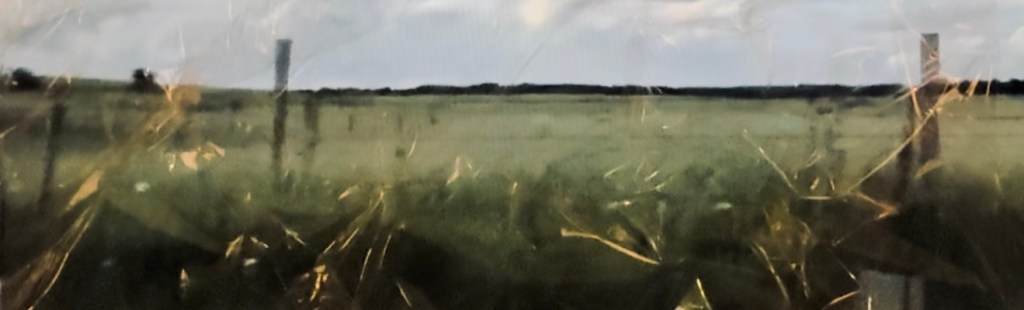
Over the last year I’ve started filming the landscape as it rushes by. We went past Stonehenge on our way back from Exeter in June with all of our daughter’s stuff in the car.

VIDEO 1

The sky is more or less static and the mid ground moves a long quite slowly, with Stonehenge almost gliding across the screen. And then there is the fast moving foreground – I find the fence line and the traffic paraphernalia fascinating – the way in which the posts seem to be animated, punctuating the foreground, jumping up and down, reminding me of the graphic equalisers on my first stereo.

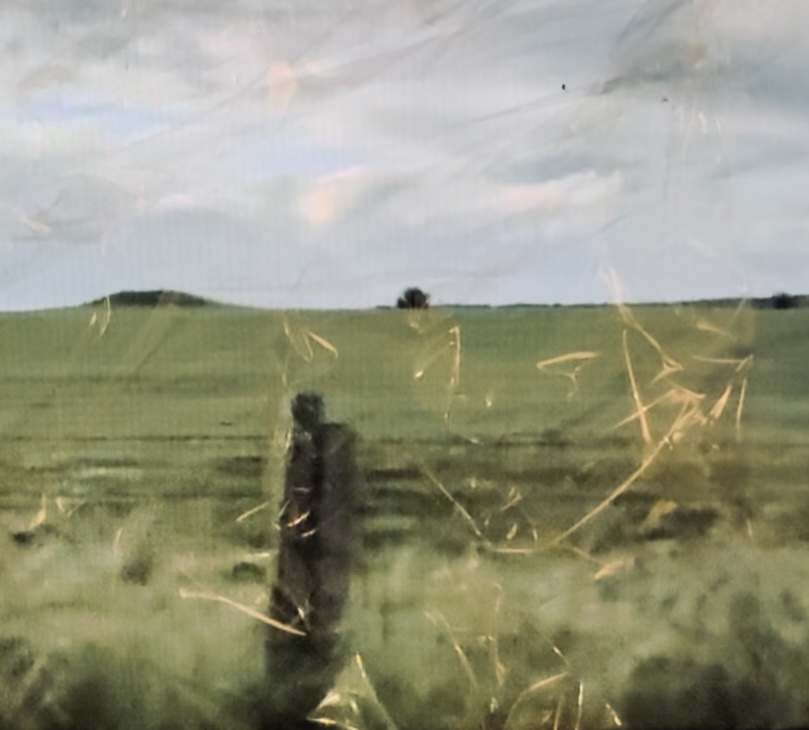
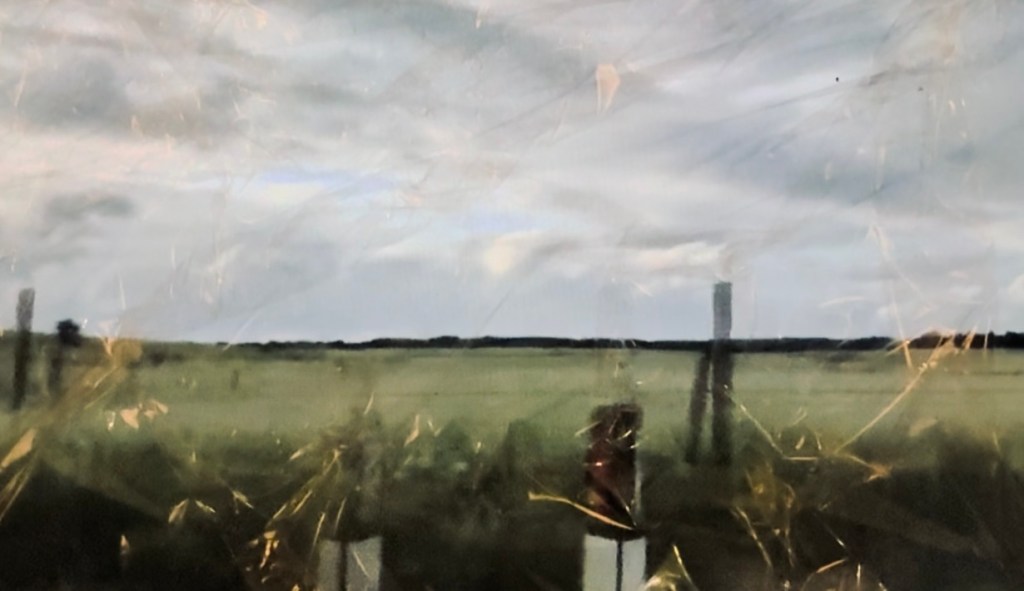
I wanted to create an image with less immediacy, with some distance, some sense of layering and so I experimented by filming the footage from my iPad with layered clingfilm over the screen.

VIDEO 2

I like this shortened version, I think it has more impact, or maybe it gets to the point a lot sooner – my social media shortened attention span at work.

I played around with different effects and took some random screenshots.

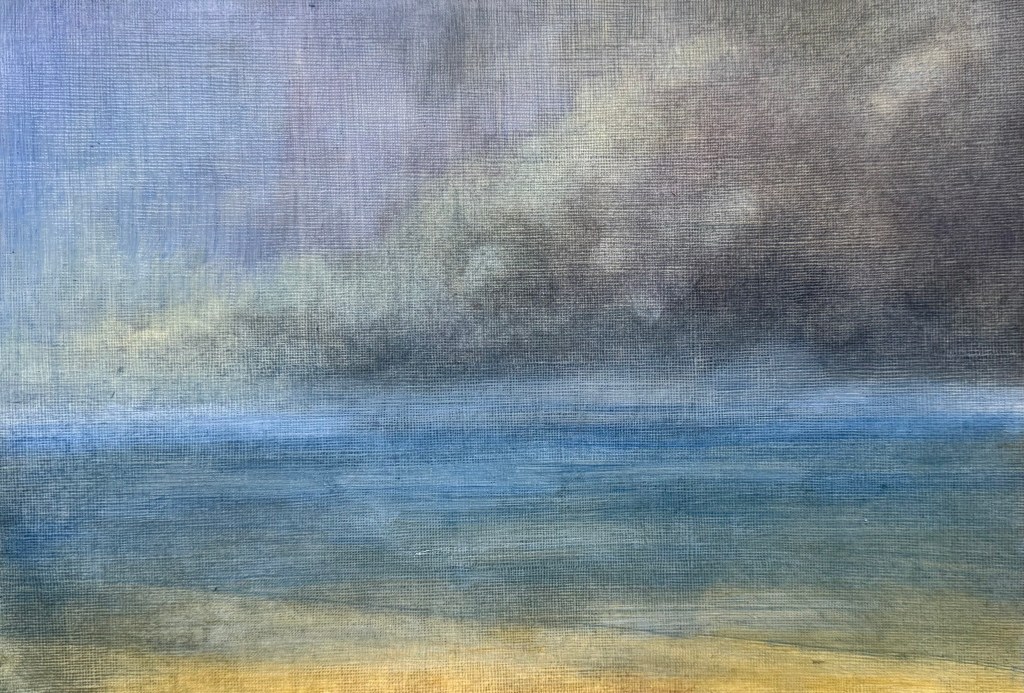
I like the abstract nature of some of the images, the sense of ghostly imprints, an image which is not quite there, or that was there, but has since moved on.

Sticker

I brought in my one remaining pinhole camera the other day. It was really disappointing – although it had captured some good trails of the sun, it had fallen sideways (my bad) and the constant switching between really hot and cold weather recently must have caused condensation to form inside the can. It’s a shame because it seemed to me to be a good way of capturing the passage of time in a static image. Never mind, I may try again.

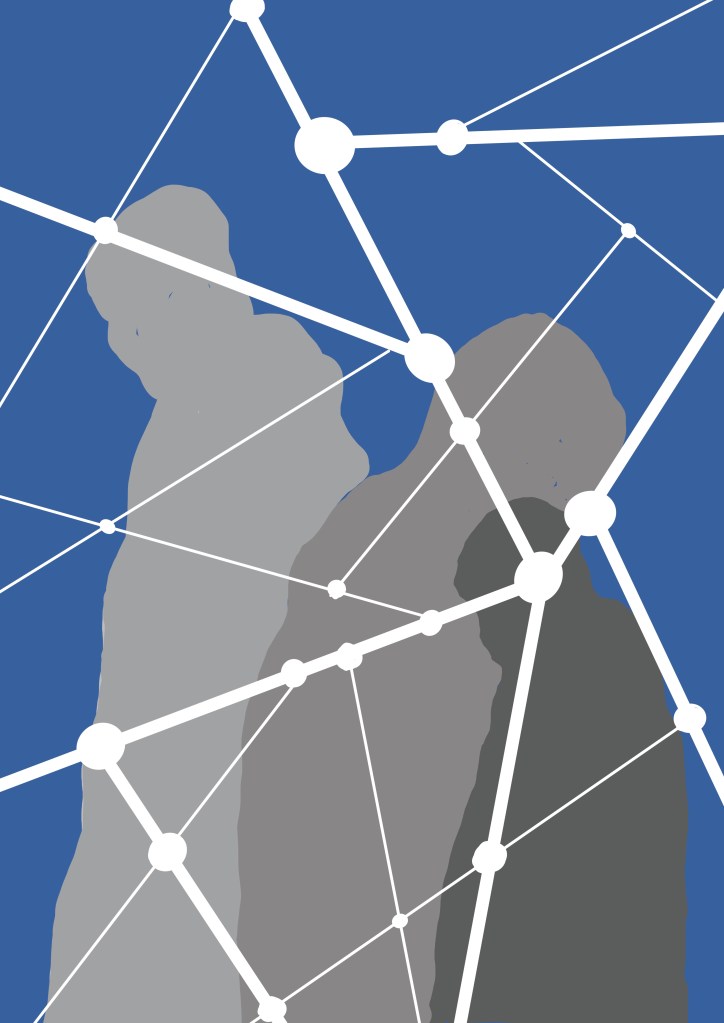
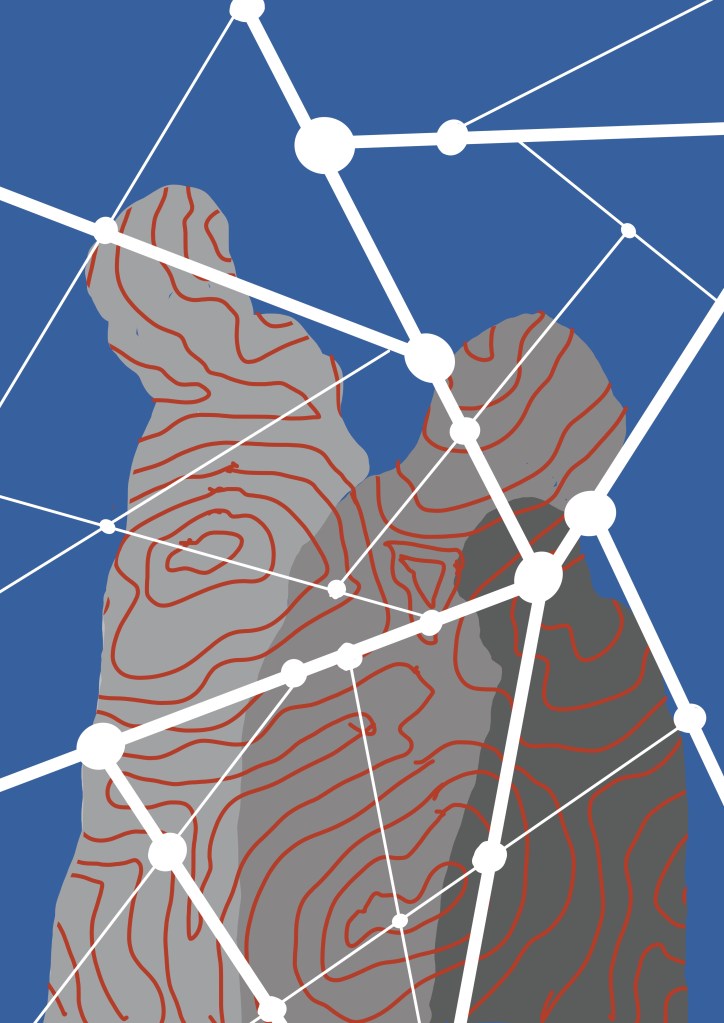
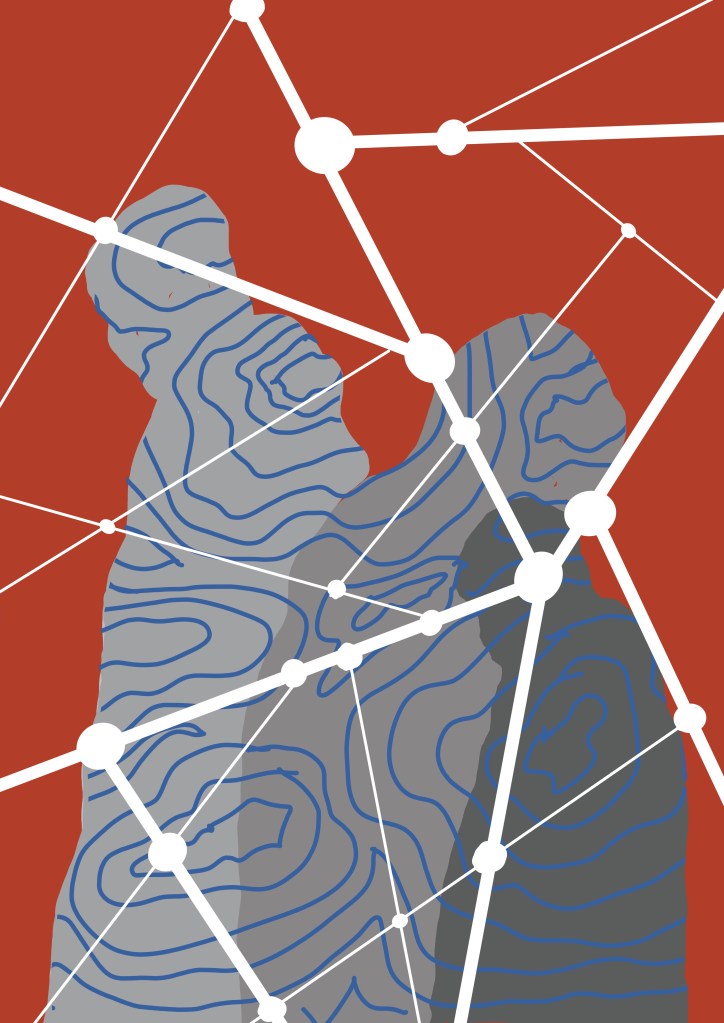
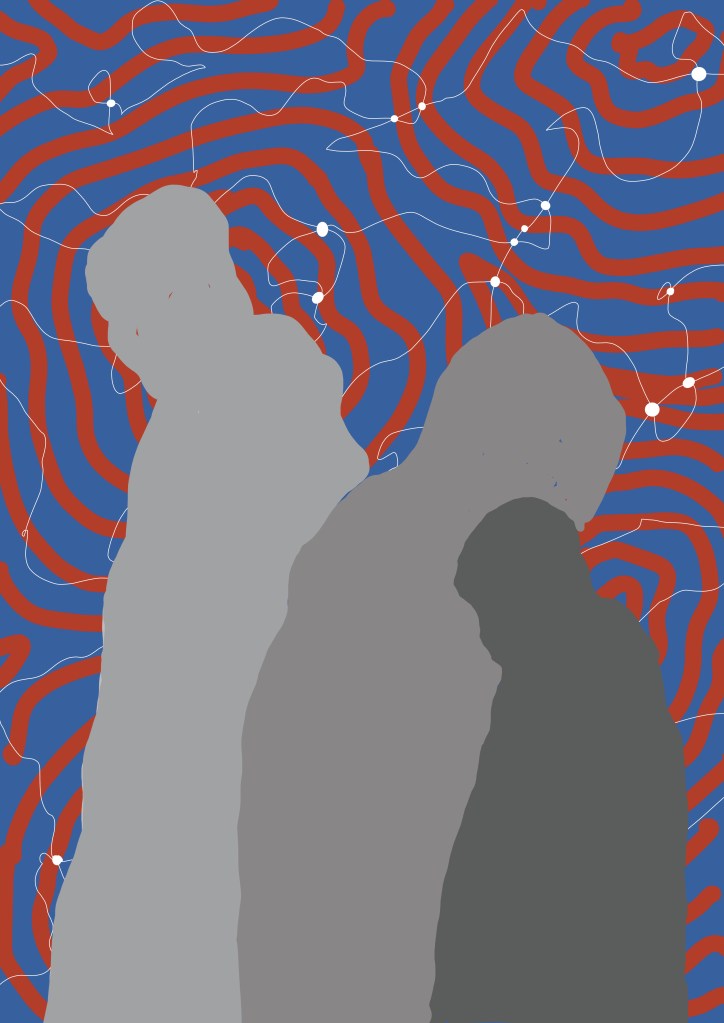
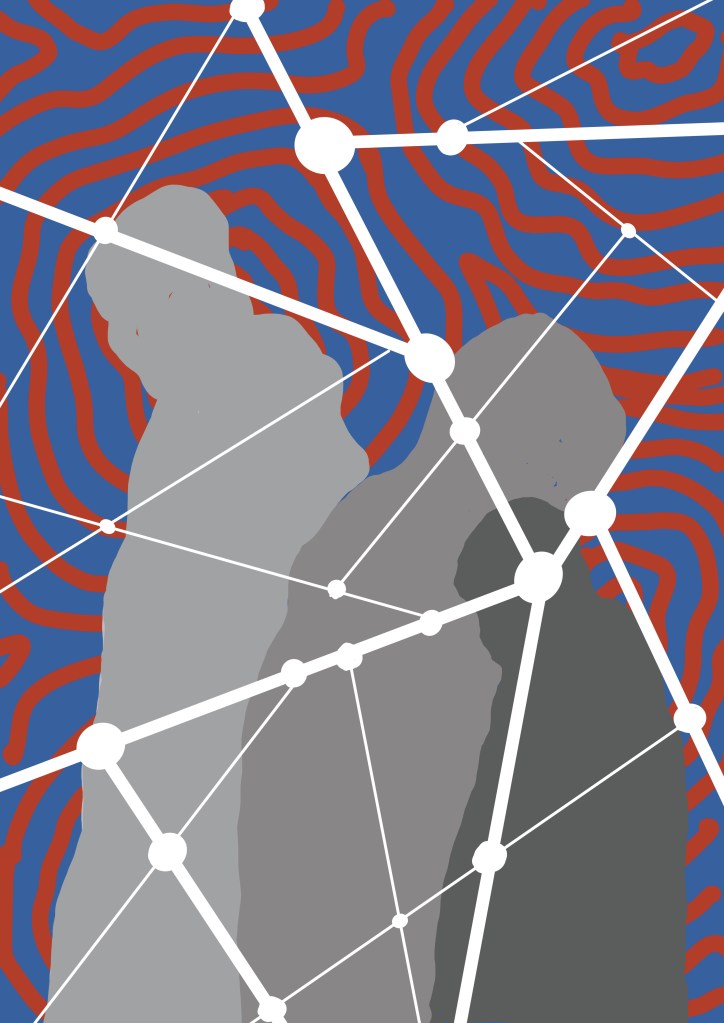
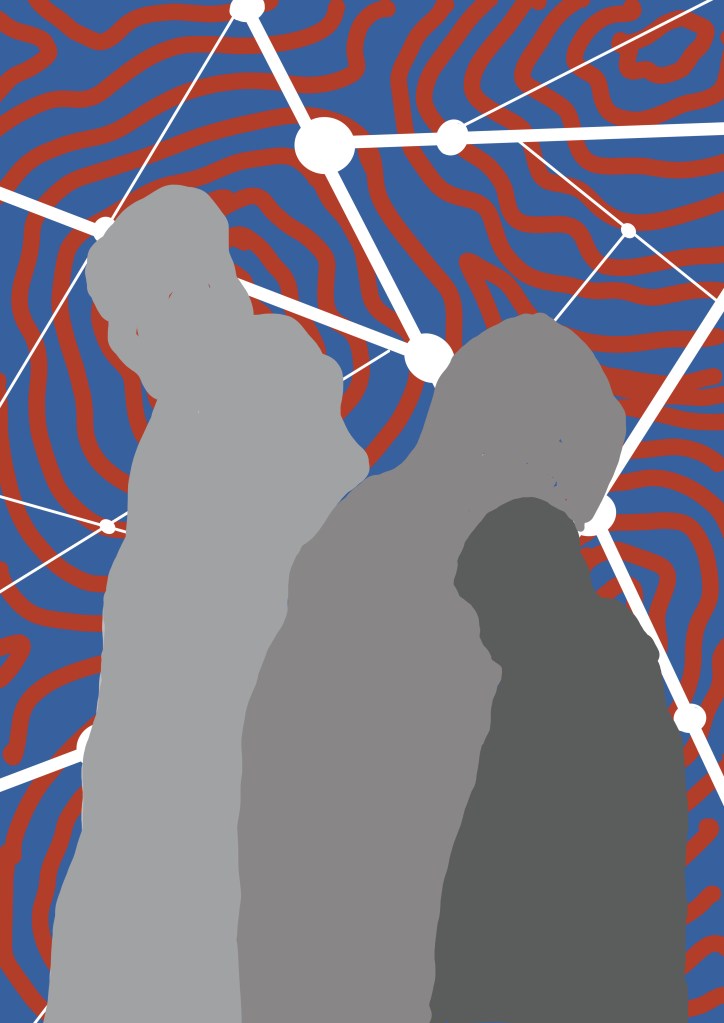
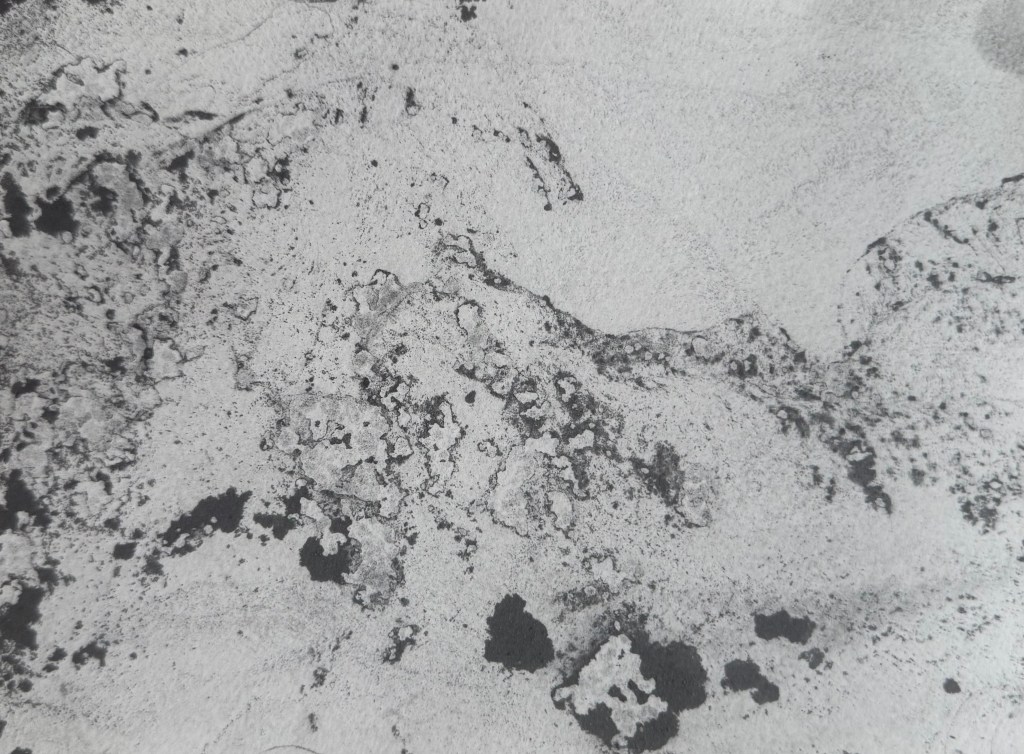
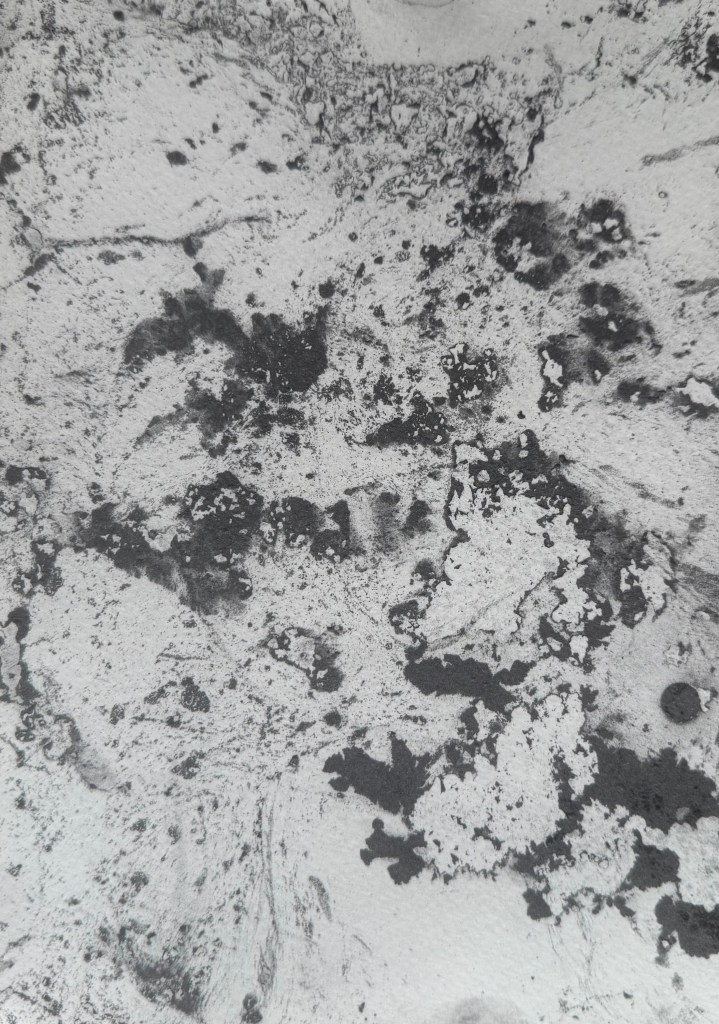
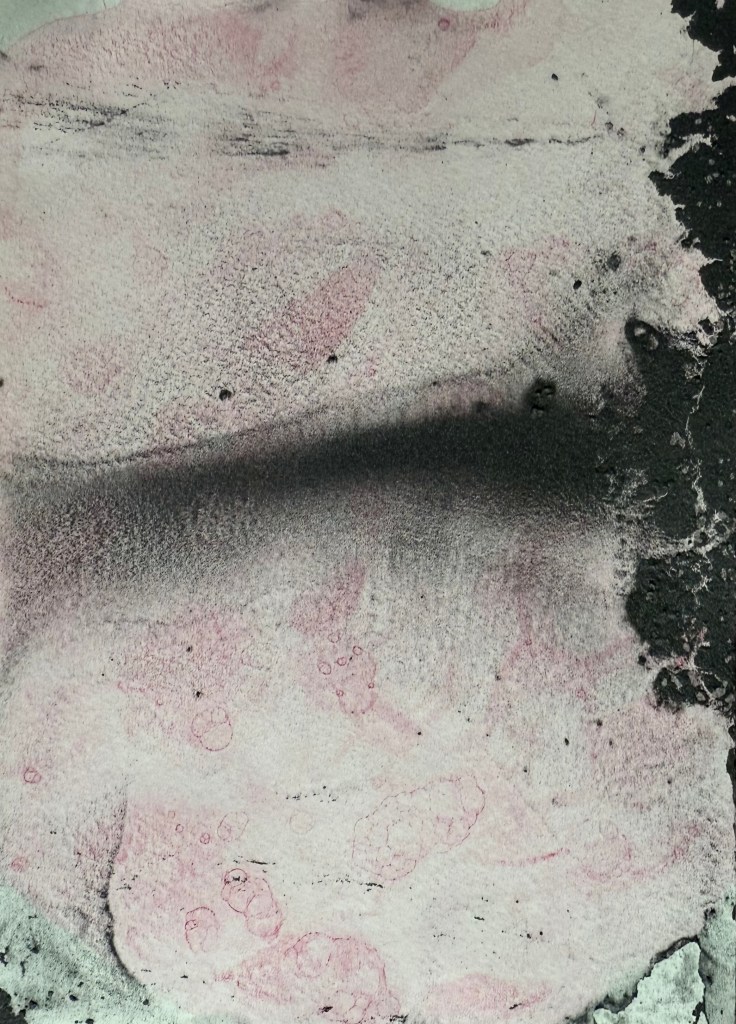
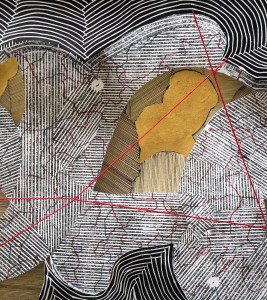
I’m not very techie and when I was converting the original image into black and white on my phone before I got into bed last night, I accidentally created a sticker. I’ve never really paid much attention to the white line which cuts out the sticker before, but on an abstract image it was fascinating to see where it went and what it chose to cutout. I decided to screen record the process, add some filters and play around with the replay speed.

VIDEO 1

VIDEO 2

I particularly like the one above – it reminds me of paper burning around the edges.

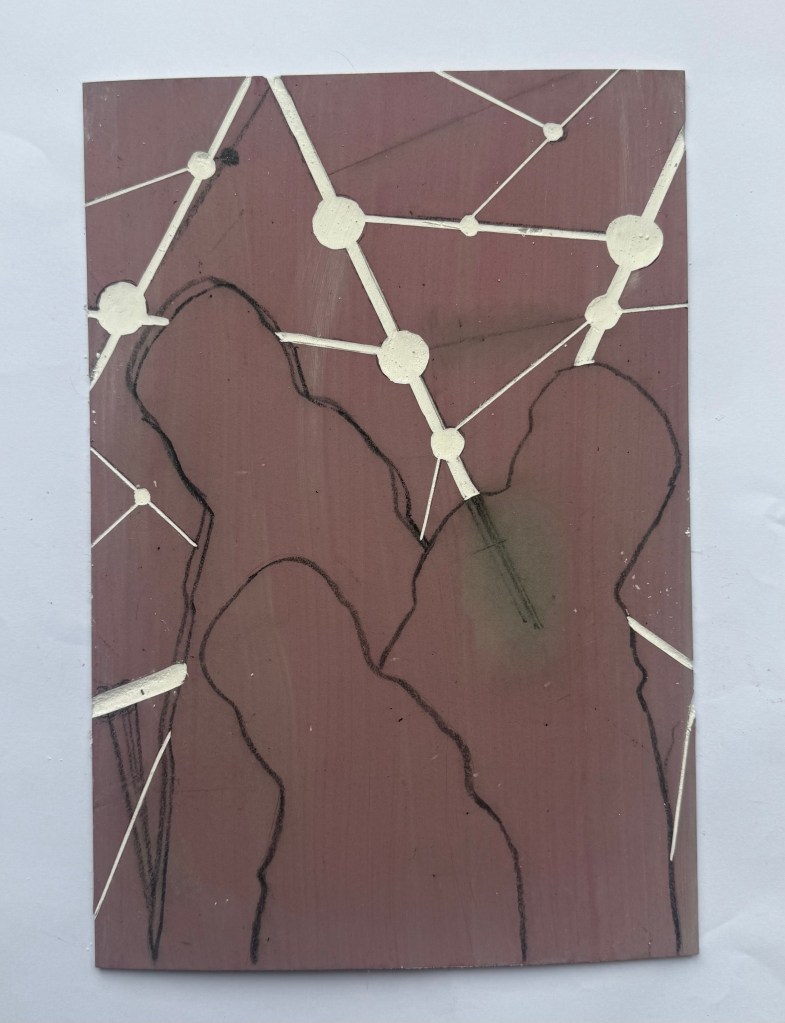
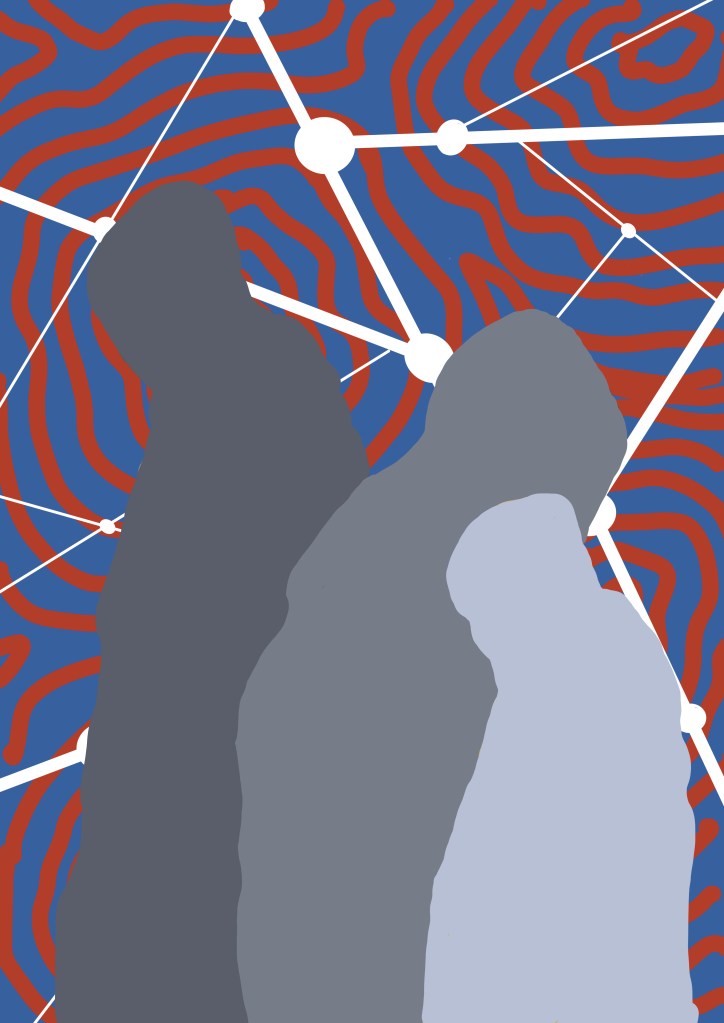
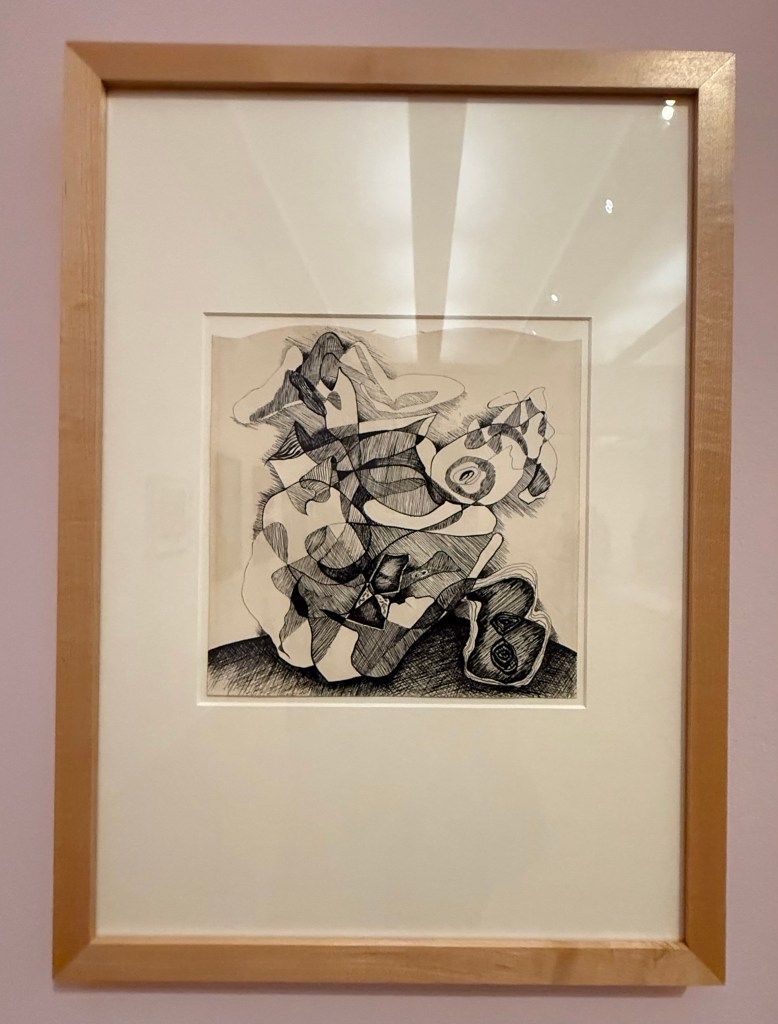
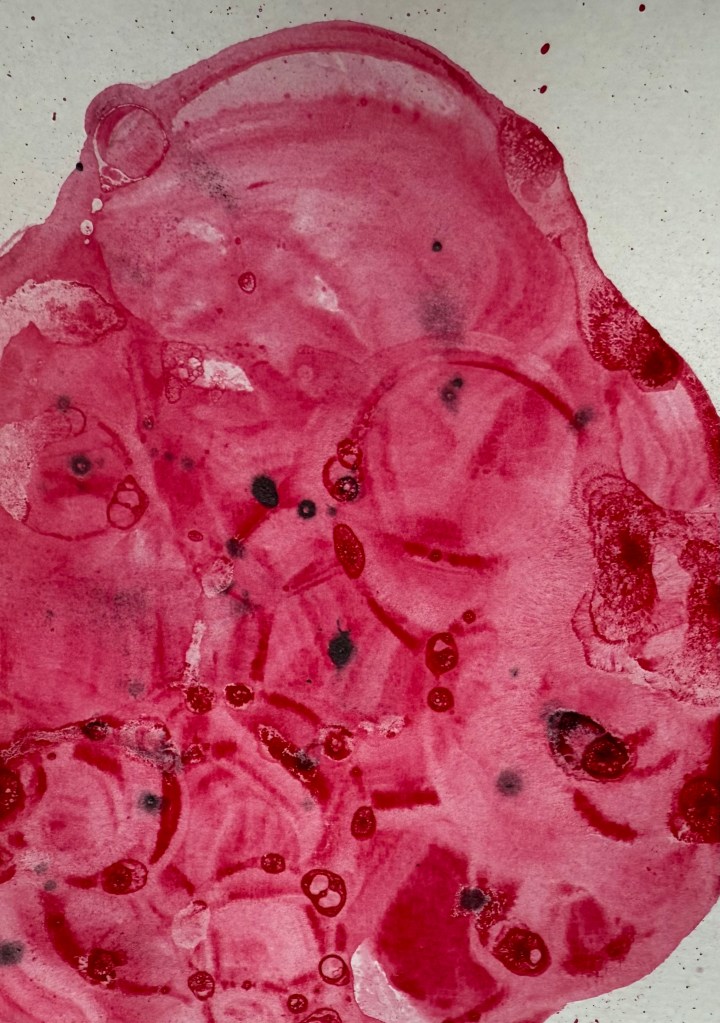
I used the image from What Was I Thinking? as it has both curved and straight lines amidst the multiple figures, and I was interested to see what path the line chose to follow.

VIDEO 3

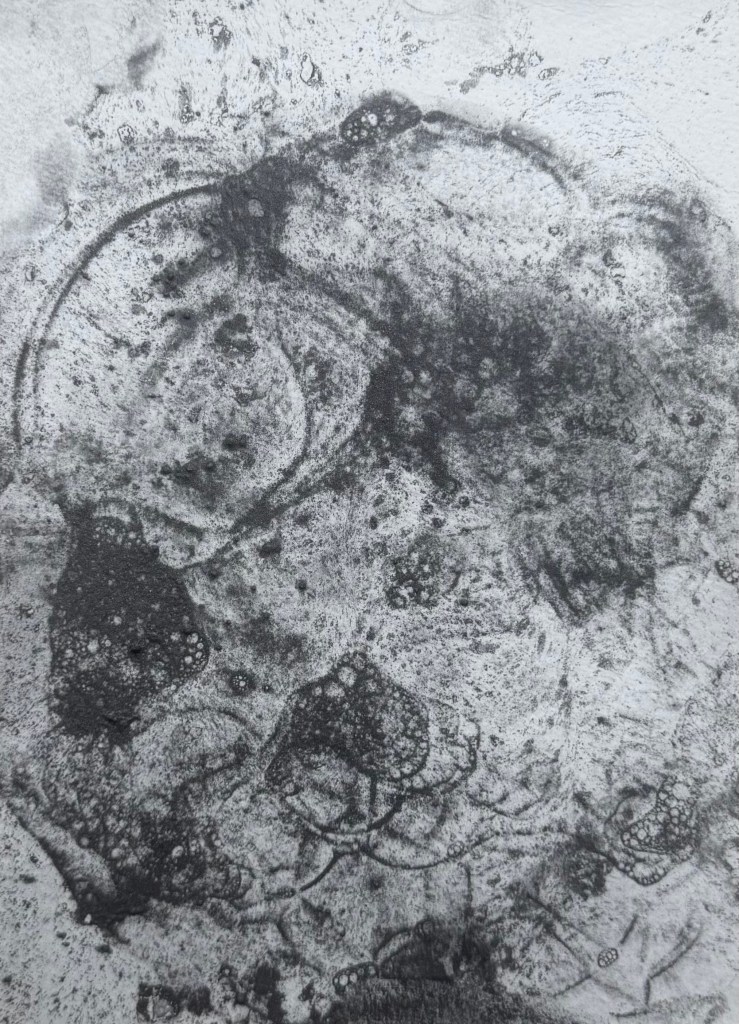
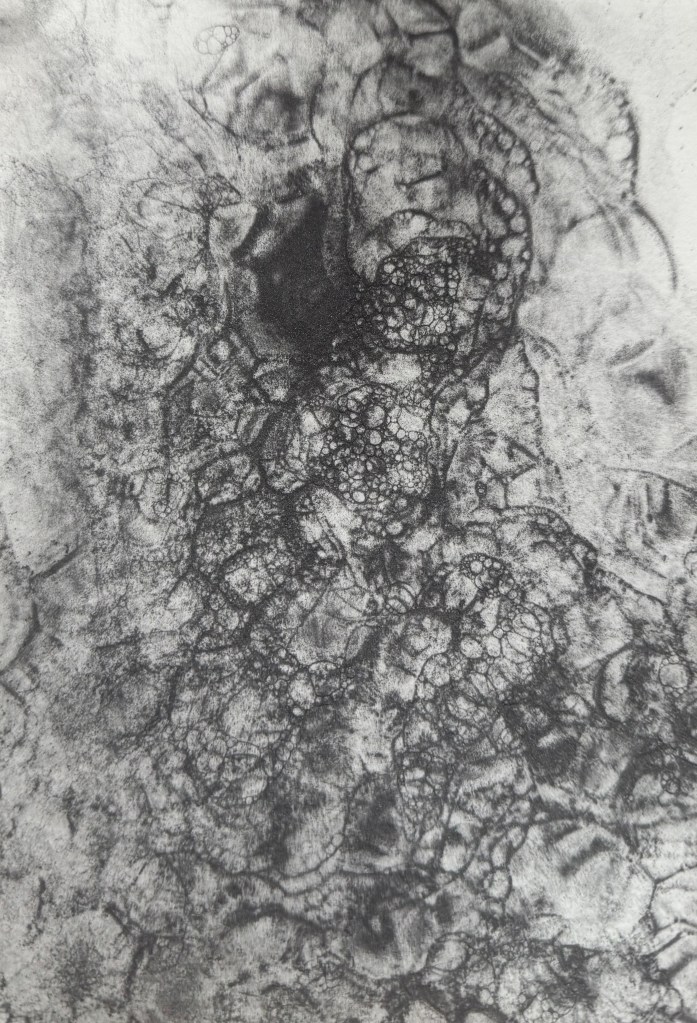
Finally, I wondered what would happen if I tried an image which has a myriad of shapes within it and a white line of its own, so I used an image from Carbon Dating.

VIDEO 4

I had a great time experimenting, but when I finished an hour later my brain was still trying to process it all and thinking of how I might be able to develop it. It’s proving to be a tiring day today.

Rule Breaker

We’re looking at Turner in my weekly art class, in the context of climate catastrophe; forest fires, flooding. He didn’t follow the rules and did whatever took his fancy. Layer upon layer, ignoring fat over lean, whiting out. A conservator’s nightmare.

We started off by looking at some imagery and then, without any further reference to it, got to work. We put down a ground with acrylic paint and then applied layers of thin oil paint and solvent with a rag.

It wasn’t a conscious decision, but I ended up using a very limited palette of cadmium red light, cadmium yellow, ultramarine blue, burnt umber and some white. Once the thin paint was dry we applied glazes on top. I did a lot of wiping on and wiping off – it seems to be my modus operandi, as well as doing a lot of scratching – not particularly Turneresque, but never mind.

What do I think of it? As a study of an imaginary forest fire à la Turner, well, I think I’ve done ok. I’ve managed to create lots of layers and there is definitely some optical mixing going on. I think that I’ve managed to keep it quite loose (for me, anyway). I enjoyed putting the glazes on, colour was caught in the marks and grooves in lower layers which had been made when I had loosely put down the ground. I like that it was out of my control to a certain extent.

At the end of the day, I don’t like it. It was an exercise which I completed, I haven’t invested any of me into it, and it doesn’t do anything for me. But that doesn’t really matter because it is about trying different things, being open to new approaches and trying them out with an enquiring mind.

Putting paint on and wiping or scratching it off is something I instinctively do – it’s a very tactile way of working, and I’ve realised that it’s all about the materiality and the dialogue, which seems to be a bit of a tussle at times.

Time Capsule

She went back to uni today. She was looking forward to getting back to some normality and having independence again. The house seems empty – don’t get me wrong, I’m not one to suffer from empty nest, but there is a presence missing, along with all her stuff that seemed to have found its way into every single room of the house. The creation station that she had set up in the sitting room is no longer there – watching tv whilst she painted by numbers to try and occupy herself and at the same time rehabilitate her hand. And then the quilt, which she didn’t manage to finish before she left; she was disappointed because she wanted to have something to show for what she saw as having been a wasted summer. Never mind – she’ll complete it over the next few weeks, and it will serve as a reminder of ‘that summer’, imbued with fear, frustration, pain, resilience and hope.

It never ceases to amaze me how, in the act of making, memories and emotions are stored within the object, like a creative time capsule.

Clay!

I missed our final session, so I watched the video.

It was raining and I didn’t fancy going outside to get some proper clay, so I used my daughter’s physio putty – a silicone based non-Newtonian liquid which changes to a malleable solid with pressure. I made a little bowl.

Thinking about it, it’s very much like me: it becomes resistant when pressured, will embrace change temporarily but generally just wants to revert back to its natural state.

The exercise of feeling the material with awareness and the subsequent discussion with Alexis Rago on his experience of working with clay was particularly interesting as I’m currently researching materiality, in particular, Malafouris’ Material Engagement Theory – the act of making is a lived and relational state of becoming in which selfhood is enacted and transformed through the ongoing dialogue between the maker and the material.

You’re Turning Into Your Father

‘And what’s wrong with my father?’

’Nothing. But I didn’t marry him; I married you.’

It was our 23rd wedding anniversary yesterday. Neither of us is the same as we were 23 years ago and nor should we be according to K H Tan’s Fluctuational Identity Theory, ‘FIT’ (The Dissolution of the Self: How Ontological Instability Reconfigures Identity, Ego and the Nature of Selfhood, July 2025).

In his thesis Tan proposes a framework for understanding selfhood as a dynamic process of becoming that never achieves stable being. He argues against the notion inherent in Western traditional thinking that there is a stable foundation which grounds identity across time and change: a stable and unified self. This traditional way of thinking raises numerous fundamental issues eg how much change can happen before original identity is lost on a cellular and psychological level? When does the self come into existence? Conception? Birth? When does it come to an end? Brain death? Bodily death? It is not only incompatible with the dynamic, temporal and relational nature of existence, but our attempts to achieve a stable identity in an unstable reality could also be the cause of conflict, unhappiness, and the persistence of suffering in trying to control what cannot be controlled, the anxiety of trying to predict what cannot be predicted and the exhaustion of trying to maintain what cannot be maintained.

He is not promoting the idea of ontological instability per se, and he rejects the idea of chaotic instability (random fluctuations without pattern or direction) as these are incompatible with the coherence and continuity implicit in personal existence; we need to be able to recognise ourselves in order to be able to function. Instead he argues for creative instability. The self is not a thing that has experiences, but the ongoing process of experiencing the self; with every experience we integrate our past, our present and the possibilities of our future. It is a process of maintaining patterns while introducing variation and at the same time the self remains recognisably oneself while becoming other than what it was. The self undergoes ‘inter subject becoming’ – it is not a pregiven entity that enters into relations with others but emerges through and as a result of these relations.

He sees instability as a positive condition which encourages growth, creativity and meaning-making which would not be possible if the self were a fixed and stable entity. He considers fluctuational personas eg parent, friend, spouse, citizen, as genuine modes of being as opposed to roles and temporary performances, and as such negates the idea of authentic and inauthentic personas because all personas are genuine expressions of our capacity for becoming.

He advocates aiming for the middle ground. The more we try to define our identity the less capacity we have for growth and transformation, and too much self-awareness can lead to psychological overwhelm. Conversely, complete openness to transformation and abandoning any attempt to understand ourselves leads to a loss of any sense of identity and the continuity necessary for coherent existence, as well as disconnection from experience.

Achieving accurate self knowledge cannot as a matter of logic be achieved: we cannot bridge the gap between who we are and who we understand ourselves to be. He sees this area of misrecognition as being a ground for new possibilities of selfhood; it can become a creative force that helps us to become what we see ourselves as being. He gives examples of considering ourselves to be more creative, more confident than we are, and how this might lead to us ultimately having these attributes. Presumably the same could be said about negative attributes, but he doesn’t deal with these in any detail.

He compares traditional approaches and FIT in terms of personal development and growth including education and the effect of technology and algorithms on digital identity, psychological health, political and social implications, and human flourishing. He posits that FIT provides the framework within which we can better understand and navigate the challenges of contemporary existence.

It’s certainly an argument for revising the vows of marriage to reflect not only a change in financial status and health, but also in selfhood. Our wedding vows were in Italian and we haven’t the foggiest what we agreed to.

You Can Take The Girl Out Of Essex…

So, you’re an Essex Girl!

No, I’m not from Essex (I’m not really from anywhere). A pejorative term used to belittle a certain group of women, used so much in everyday speech that it earned itself a formal dictionary definition: promiscuous, unintelligent, materialistic and lacking in taste. It was only 5 years ago that Oxford University Press eventually relented to a petition and agreed to remove the term from one of its dictionaries – the one used to teach foreign students English. A member of the Essex Girls Liberation Front, the campaign which spearheaded the move, is conceptual artist, Elsa James.

Elsa James (image: Tessa Hallmann http://www.greatbritishlife.co.uk 22/08/25)

Nowadays, I don’t really give two hoots. In fact, I often don the mantle and wear it with pride, even though it’s not really mine to wear. I still don’t understand why it’s the only county which has given rise to such a term of speech. Once you get out of ‘London Essex’ the countryside is beautiful, just like its neighbour, Suffolk, a landscape favoured by Constable, and the accent is so totally different from the stereotype.

I was in a local bookshop the other day and was looking at their maps when I noticed that they had a bundle of OS maps on sale, and, as if by luck, they had Landranger Map No 167 ‘Chelmsford, Harlow & Bishop’s Stortford’, so I bought it.

I lived in Essex with my parents on and off for about 12 years. I couldn’t wait to leave; it was on a road to nowhere and I spent the school summer holidays, which seemed to go on forever in those days, sunbathing in the back garden with cooking oil, reading Jilly Cooper novels and dreaming of finally breaking free and moving to London or somewhere else equally as exciting, perhaps one of the destinations of the planes that I used to watch leaving trails across the big blue sky.

I’m not sure why, but my old school isn’t on the map (the map is not the territory). It definitely still exists. It should be where the 08 is. I had to travel over half an hour on the 311 bus to get to school; the bus stop was right outside my house, which meant that rolling up my school skirt to make it shorter had to be done with expert precision as the bus pulled up at the bus stop, just in case anyone was watching. Then up to the top deck where you could smoke, with my small stash of cigarettes which I had pilfered from my father’s packet of Rothmans, left on the side in the kitchen.

It was an all girl school. There was a boys’ school across the road, KEGS, and in the fifth year there was a lunchtime club, Senior Christian Fellowship, to which the boys from across the road could come. It was the most popular club.

What has Essex ever done for us?

  • Grayson Perry went to KEGS: he left a few years before my time. He went on to do his foundation at Braintree College of Art. That’s where I wanted to go, but didn’t. We both got out, by different roads, and to very different destinations.
  • Ignoring the obvious ones, there’s The Prodigy, Depeche Mode, Yazoo, Olly Murs, Jamie Oliver, Maggie Smith, Helen Mirren, Damon Albarn, Richard Osman, and Robert the Bruce, amongst others.
  • Colchester is Britain’s oldest town.
  • It has the smallest town (Manningtree) and the largest village (Tiptree, home to jam-makers, Wilkins & Sons).
  • Southend has the world’s longest pier.
  • The world’s oldest wooden church is in Greensted.
  • It has 350 miles of coastline, second only to Cornwall, and the most islands of any county.
  • Chelmsford is the birthplace of radio.
  • The Mayflower was built in Harwich.

But even so, I still don’t think that I’ll ever go back and live there.

I’ve taken myself out of Essex…

Arachnid

Whenever I go to B&Q, I always want to come home and do some DIY; whenever I visit a beautiful garden, I always want to come home and sort out our garden; whenever I go to an exhibition, I always want to come home and make.

I’ve been feeling in need of a pick me up recently, and so yesterday I headed into London on a hot, Notting Hill Carnival, Bank Holiday Monday to catch Louise Bourgois’ ‘Maman’ on its last day at Tate Modern, the very space for which it was commissioned back in 2000. There’s no doubt that it’s impressive at 9m tall – again, I ask myself whether it’s all about the size, but I think any spider larger than real life would have an impact. I had an overwhelming urge to touch it, but resisted in light of the ‘Please Do Not Touch Sign’. I also found myself wondering how they got it into the building, memories of Johnny Vegas’ struggles coming to mind.

It was well worth the trip, a rare chance to see a piece in the flesh in the very place for which it had been made. Having said that, I’ve seen some images of it in a landscape, which I find particularly effective.

Tate Modern’s website on ‘Maman’:

Louise Bourgeois started making sculptures of spiders in the 1990s. This version is her biggest spider. Its title, Maman, is French for mummy. The artist said spiders reminded her of her mother: ‘Like a spider, my mother was a weaver. My family was in the business of tapestry restoration, and my mother was in charge of the workshop. Like spiders, my mother was very clever … spiders are helpful and protective, just like my mother.

I’m a bit behind with things at home, and we’re starting to amass some really impressive cobwebs. I watched as a flying insect became entangled in one of them; in a flash the spider came from nowhere and quickly got to work wrapping it up.

I’m not sure that spiders are clever as such, but they do have great skill. I don’t really think of them as being helpful and protective: they set traps that you can’t see, they ambush you and then swaddle you up until they consume you. Although, I don’t have a problem with them, as they catch flies etc, as long as they are not where they’re not supposed to be, such as on the bedroom ceiling above my head, or in the bed.

Lifelong arachnaphobe, Primo Levi, in his essay ‘The Fear of Spiders’:

“The spider is the enemy-mother who envelops and encompasses, who wants to make us re-enter the womb from which we have issued, bind us tightly and take us back to the impotency of infancy, subject us again to her power…”

I’ve tried not to be either of those spider mothers. I’ve tried not to be suffocating and I’ve tried to resist the urge to fix things. I’ve definitely failed; I often tell my daughter that I’m trying my best, and, when she’s older, not just to remember the times when I’ve not been at my best, like I seem to have done with my own mother. It’s that negative bias again, I suppose. I’m now actively remembering all the times when she was kind and caring, supportive, and all the laughs we had together, which by far outnumber the not so good.

Is It All In The Name?

I watched a Channel 4 Documentary the other evening ‘Art, ADHD & Me’ with Johnny Vegas. It was five years in the making – during filming Vegas’ mental health declined, and he was diagnosed with ADHD.

It follows him embarking on a community public art project as a tribute to his home town, St Helens. His initial idea of a walkway in the centre of a busy square, designed to give a few seconds respite and space to think, was stopped in its tracks by the number crunchers – it would cost hundreds of thousands of pounds to realise. Whilst Vegas was going to have a fundraising exhibition of his work, it wouldn’t be enough. He had to come up with a plan B – a metal structure displaying tiles which forms a love letter to St Helens, and which is to be displayed at the World of Glass. The measurements were off and few of the tiles actually fitted when it came to assembling it. On opening night, Vegas is shown outside with an angle grinder trying to cut them down to size. He didn’t finish. It’s a work in progress.

It’s a programme full of vulnerability. I felt as if I was there with him, experiencing the self doubt as to whether he should go with an idea just in case there’s a better one he hadn’t thought of yet, feeling the frustration and disbelief when things didn’t fit, and the stress of time running out followed by the final acceptance that what would be, would be. It was interesting seeing how his mind works; instead of falling asleep, he wonders how many pigeons it would take to lift him up.

However, I did find myself wondering whether he would have been given the time of day by the Council, had he not been who he is.

I was walking through Winchester last week, past one of the two Castle Fine Art galleries in the city. I looked in the window and saw a 2D Johnny Depp looking back at me. I peered in and saw the far walls adorned with his work as well as a large photo of him in the act of being artistic. The gallery also represents Billy Connolly, Bob Dylan and Boy George. It seems that everyone’s doing it – just this morning I saw a post about Noel Fielding’s new exhibition. David Bowie did it, Ronnie Wood and Keith Richards do it, along with Paul McCartney, Miley Cyrus, Pierce Brosnan, and a plethora of others.

My first thought is that it’s simply not fair – leave some space for the rest of us. Then I ask myself, why shouldn’t they be able to express themselves in the visual art world just because they’ve succeeded in another sphere? They should be able to, and some may have even started off in the arts – Vegas has a BA in Art & Ceramics – but their lives took them in a different direction. But I do wonder whether we would even see their work if they worked under a pseudonym.