Never Drinking Coke Again

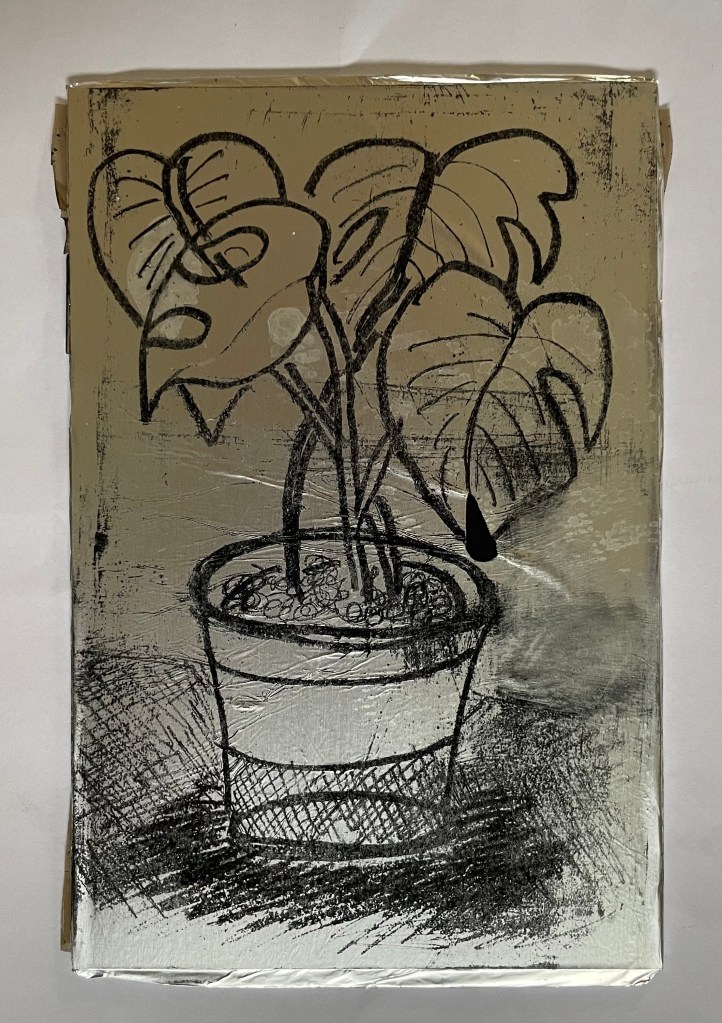
I had some free time yesterday, so I decided to try out kitchen lithography using some aluminium foil and cola.

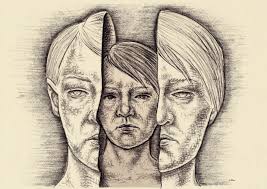
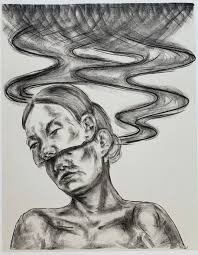
This is the first time I’ve tried it – I’ve been interested in doing it since I came across a Canadian artist who uses it in her work, in addition to other printing processes, Valerie Syposz. Her work primarily deals with self-perception and existence.

I like the surreal quality of her work, and her subject matter is relevant to what I’m exploring.

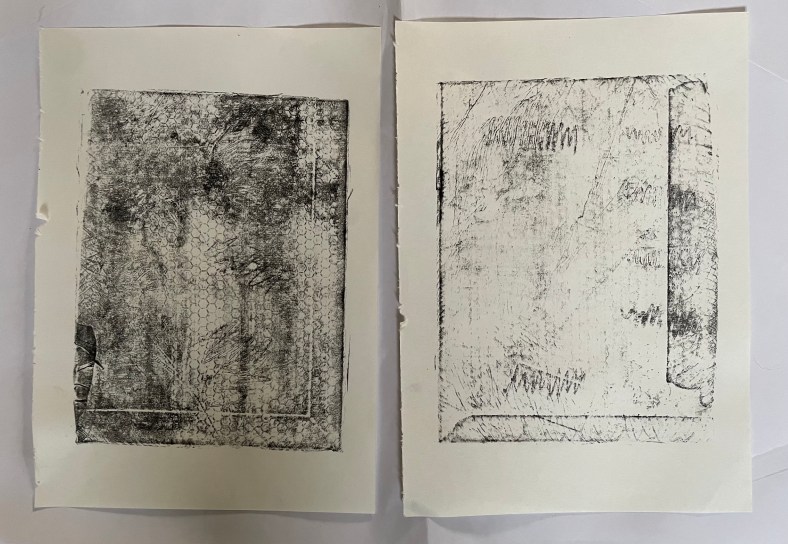
I have to be honest and say that it didn’t really go to plan. First of all, I discovered that the foil I have in my kitchen drawer has a honeycomb pattern embossed on it, and then I forgot to use the dull rather than the shiny side of the foil. I made various marks using different pencils, pens, markers, graphite sticks and pastels, but I was doomed to failure. Not wanting to go out into the cold to my shed to find some plexiglass sheets to wrap the foil around, I had used an Amazon envelope which I found in the recycling bin, which turns out had some raised edges on it. But, hey, it’s just an experiment. I also didn’t apply enough water to the plate which meant that the ink adhered to areas it shouldn’t have.

Once I had realised my mistakes I gave it another go. I used a small plexiglass sheet this time, and found some other foil which had a smooth surface. I made a quick, not so good, drawing of the plant in front of me. I used a combination of a chinagraph pencil, basic oil pastel, and a 6B graphite pencil. I did try using a biro, but it ripped a hole in the foil – this was probably because the foil wasn’t very strong. I then poured cola over the top of the plate, rinsed it off, and then rubbed the image away using vegetable oil. Once the plate was dampened with water, I rolled on the ink, re-applying water using a sponge between each ink application. The idea is that the cola contains gum arabic and phosphoric acid which makes the foil which hasn’t been drawn on, hygroscopic. I then used a bamboo baren to transfer the image to a sheet of Hosho paper.

They’re not great, but I’m just happy that I managed to get a defined image at all, bearing in mind my first attempt was such a complete Horlicks.

It felt good trying something new, and what made it particularly enjoyable was the fact that it could be done at home with easily accessible tools and supplies. I will definitely explore it further perhaps after doing some further research so that I can appreciate its full potential. There is a lot of scope for experimentation with different printmakers having different opinions as to the best methodology to adopt: some lightly sand the foil before drawing on it, others use cornflour and maple syrup on the plate; some don’t use a support and just use the foil as a sheet. Maybe the brand of cola has a bearing on whether the process is successful: perhaps I’ll need to have a Pepsi challenge.

Part One: Think Like An Artist

… and Lead a More Creative, Productive Life by Will Gompertz isn’t taking me long to read at all. Gompertz, artistic director at the Barbican, makes some very interesting and thought-provoking observations on what it is to be creative. As I’m galloping through it at such a speed, I thought it best to highlight some parts, as I go along, which I think will either help me in finding my artistic voice, or which reinforce ideas and concepts which we have touched on in the course so far.

On failure:

When it comes to creativity, failure is as inevitable as it is unavoidable. It is part of the very fabric of making. All artists, regardless of their discipline, aim for perfection…But they know perfection is unobtainable. And therefore they have to accept that everything they produce is doomed to be a failure to some extent…Thomas Edison knew all about the notion of sticking at it…But at no point did he countenance failure: ‘I have not failed 10,000 times,’ he said. ‘I have not failed once. I have succeeded in proving that those 10,000 ways will not work. When I have eliminated the ways that will not work, I will find a way that will work‘…There is plenty of time for wrong turns, for getting lost; for feeling generally hopeless. The crucial thing is to keep going. Artists appear glamorous and blessedly detached, but in reality they are tenacious grafters: they are the proverbial dogs with bones… And while they are out there, worrying away, they often discover a hidden truth about the creative process… Their success is very often down to a Plan B. That is, the thing they originally set out to do has morphed along the way into something different.”

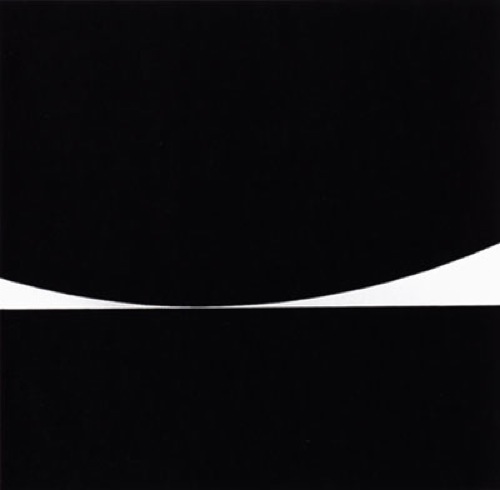
He references several artists who started out in one direction only to find their success through a Plan B, such as Mondrian, Lictenstein and Bridget Riley. In the case of the latter, in the early part of her career Riley was interested in colour theory and the work of the Impressionists, the Pointillism of Seurat, and the composition of Cézanne. It wasn’t working for her; she was directionless and lacked originality, and she was getting older. The ending of a relationship caused her to paint a canvas black, and she took all that she had learnt from her studies of Seurat et al and applied her knowledge in abstract terms. She painted a white horizontal line the lower edge straight, the upper edge forming a curve – it became a painting expressing the dynamism and inequality of relationships, human and spatial.

’Kiss’, 1961, Bridget Riley (Wikiart 4 Jan 2025)

Bridget Riley had to abandon the one thing she thought most important and appealing about painting – colour – in order to make any real progress. It didn’t mean colour could never feature in her work again, only that at that precise moment in time it was the roadblock… Only when [she] went back to the most basic of basics – a canvas covered in black paint – did she find the necessary clarity to progress. Only then did she discover the most precious and liberating of things: her artistic voice… As long as you stick at what you are doing, constantly going through the cycle of experimentation, assessment and correction, the chances are you will reach the moment when everything falls into place.”

The cycle of experimentation, assessment and correction is at the very essence of this course: Practice-based research.

Gompertz also states that if you call yourself an artist and make art, then you are an artist regardless of where you are in the process, or what skills you still need to learn and develop. I think I find this the hardest to embrace – I still can’t quite think of myself that way. I’ve only just got my head around being a student – in retrospect, it probably wasn’t the best idea to try it out first on the border official at Marrakech airport who looked at me with incredulity and repeated “Student?”. Admittedly, it’s been a lot easier since I discovered all the discounts available!

On ideas:

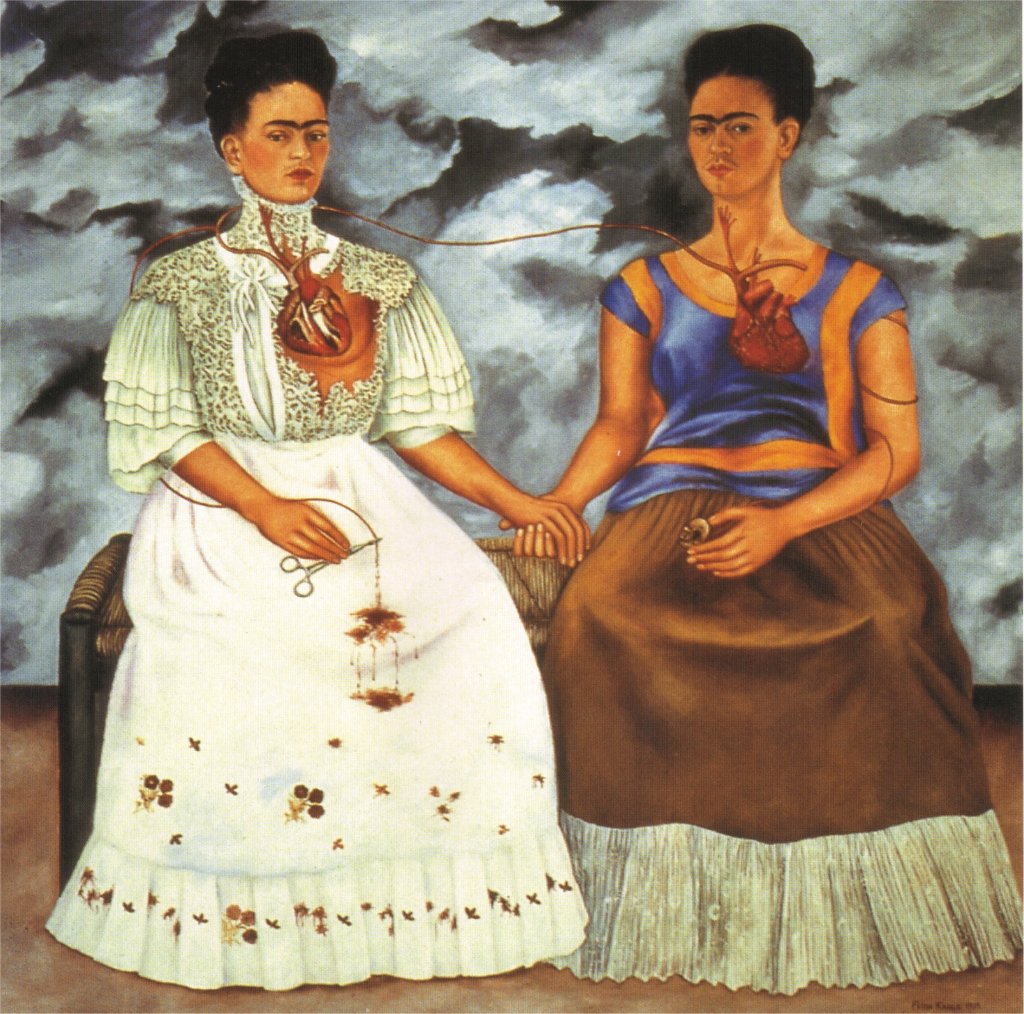
Gompertz asserts that originality in a completely pure form does not exist; that all ideas are additional links in an existing chain, each link adding to the one before. It is a form of disruption: something to react against and respond to, to build upon. He suggests that Picasso, in the quote attributed to him – good artists copy, great artists steal – is actually describing a process that an artist needs to go through: we learn through copying and imitating, and it is only once we have done this and developed the basic techniques that we can identify opportunities to add our own link to the chain, and to find our own artistic voice. This reminds me of my discussion with Jonathan about Frida Kahlo’s ‘The Two Fridas’, when I questioned whether any work I make which is inspired by it will be original enough: he advised me that Kahlo painted it in the late 1930s and I would be doing my version almost 90 years later expressing my own feelings – following Gompertz’s reasoning, I would, in effect, be adding my own link to her existing link in the chain.

In fact there are numerous creatives who have been quoted as admitting to building on the ideas of others.

If I have seen further it is by standing on the shoulders of giants.” Isaac Newton

Creativity is knowing how to hide your sources” Einstein

We have always been shameless about stealing great ideas”. Steve Jobs

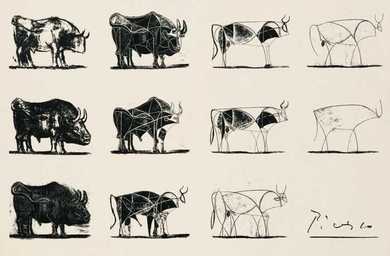
The young Picasso produced work which imitated the likes of Goya, Velázquez and El Greco, and later the Impressionists and Post Impressionists. It was only when his friend, Casagemas, died that he found his own artistic voice in his Blue Period; the blocks of colour, bold lines and expressive manner, which he had learnt from all those artists he had imitated, still influenced him, he just put his own twist on it. He took their ideas and filtered them through his own personality and experience, and used his instincts to simplify and reduce them into his original thought, into new and unique connections. Being creative isn’t always about adding to something; it can be at its most original when taking something away. This is demonstrated perfectly by Picasso’s bull lithographs, which took him a month to complete.

‘Le Taureau‘, 1945/46 (Wikipedia, 5 January 2025)

There is no such thing as a wholly original idea. But there is such a thing as unique combinations.” Gompertz
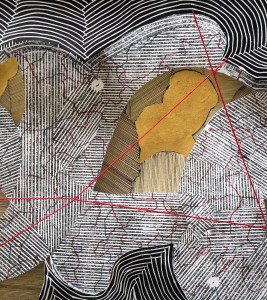
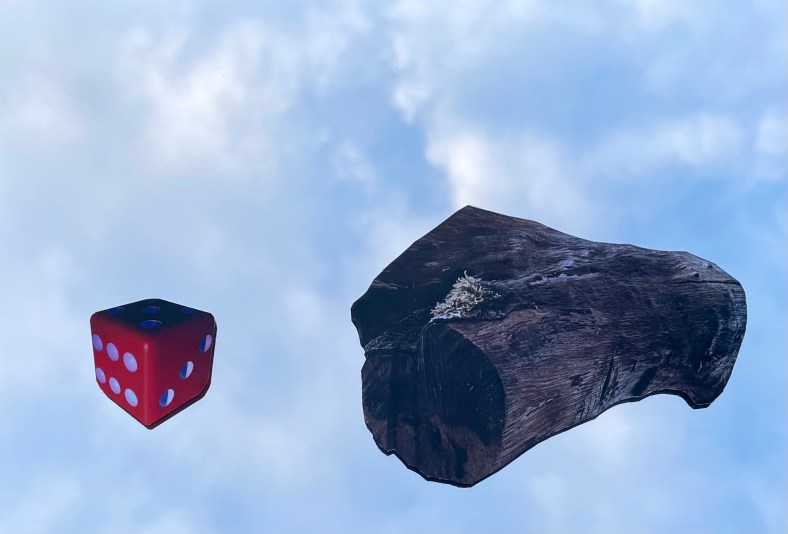
A Bird In The Hand…

…is worth two in the bush.

Or, is it?

My sister told me about something which she had seen on her Facebook feed: a man asks his wife, what would she rather have – a million pounds today or a penny which will double in value over the next 30 days?

This question is based on the fable of the Grain of Rice.

A penny doubling each day for 30 days would give you a grand total of circa £5.37 million pounds, proving that sometimes it is better to wait for what is to come, rather than taking what is immediately available. I pointed out to my sister that this is, of course, dependent on all things being equal, that is, that the bank in which the penny is invested, and which is offering such a great compound interest rate, doesn’t go to the wall before the end of the 30 days, or, indeed, that I don’t come to a sticky end, in which case I would have been better off taking the million on offer and having a blast.

Maybe the moral of this story is about making small incremental gains. Maybe me faffing around experimenting, posting and not committing to producing a piece of work will ultimately reap a greater reward than me bashing something out and being unhappy with it, which could possibly lead to demotivation.

Who knows? All I know is that I really do need to bash something out by next week, but it was an entertaining diversion watching my husband try to work out what interest he could earn on a million pounds in 30 days, and then double check the penny figures!

Less

I haven’t posted for a while – I’ve been busy sorting things out before going off to Marrakech for a four day trip with my book club.

Marrakech was amazing. Colour. Noise. Smells. People. Heat. Contrast that with this morning when I had to defrost the car before heading off to my weekly art class. I love this drive, along an old Roman road – straight and undulating through the Hampshire countryside to Stockbridge, a small town in the Test Valley. The sun came out and the trees came to life – burning oranges, golds and yellows. It was beautiful, and by the time I arrived at my class, late because I couldn’t find anywhere to park, I was still feeling its effects.

I can’t deal with too much choice – it paralyses me and then I can’t make a choice. Needless to say, I didn’t buy anything in the souks in Marrakech – the choice was overwhelming, so I resolved not to buy anything at all, and was then able just to wander and enjoy the atmosphere and culture.

So today’s task was perfect for how I was feeling. A landscape using a limited palette of burnt sienna, burnt umber, ultramarine, pale cadmium yellow, white and cadmium red. We took a board, roughly primed – in my case it was an old piece of MDF which I had previously coated with professional Dulux oil-based primer, which can make it a bit like an ice rink – and put down a loose ground of burnt sienna with a bit of sansador which ended up not drying for some reason. Then we put in some outlines using burnt umber following with thick patches of colour keeping it very general, but the wet burnt sienna contaminated some areas and lifted off the board in others. We experimented with dragging a dry brush across the paint and I also did a bit of sgraffito which I can’t help doing when using thicker paint.

This is the result:

I haven’t painted for ages – not since beginning this course – I don’t know why. Perhaps it’s because I’ve been doing a lot of thinking and experimenting with other media. At first, it felt a bit strange coming back to it, almost awkward, like I’d been unfaithful in some way.

It’s not my best by far, but it’s ok for an hour and a half. I am leaving it. The ‘me’ I’m trying to change would say that it is not finished by a long way. There’s lots I don’t like and would love to change – I’m itching to tinker – but I’m exercising some will power and calling it a day. Just like I’ve been trying to change my mindset about having an expectation as to how a piece will turn out, I am also trying to train myself to walk away.

Jonathan told me that the job of mark-making is to tell us what to do next. These marks are telling me to leave it alone and to be happy with what bits of it appeal to me – I like the lack of clarity and blurriness caused by the dry brush; the light coming through the burnt sienna ground in the foreground; the energy in the marks, which I would absolutely kill if I allowed myself to do more; the lack of definition which gives a sense of a fleeting moment; and the recreation of the feeling I had whilst driving to class.

Will I do this again? Yes, I always like going back to basics and using a limited palette – I’ll use a different image and next time I will definitely make sure that the ground is dry before carrying on so that the colours aren’t so muddy in places.

Blot II

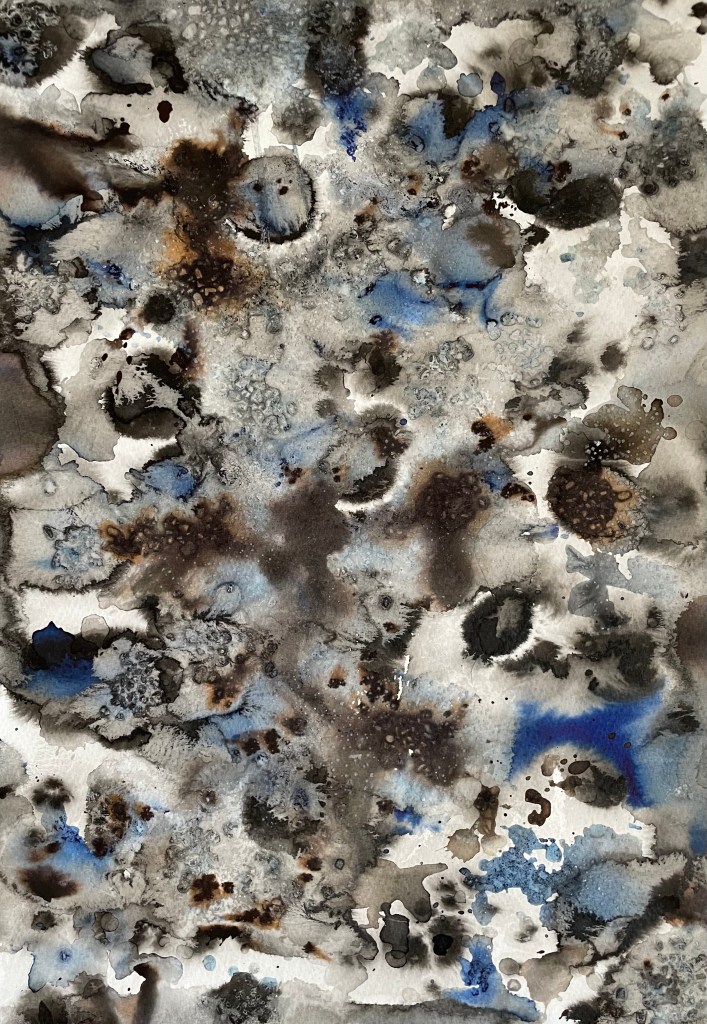
I’m really enjoying experimenting with ink.

There’s no expectation. It feels free. I like that you have to wait until they are dry to see the full effect. I feel like I have made them, which is an important step for me as I have struggled to accept the concept of randomness in art making; but I applied the water, the ink, chose the brush and I dropped and flicked the ink where I did, and just because I didn’t control what happened next doesn’t mean I didn’t in some way influence it. I like the combination of the different inks. The black Indian ink did not reveal as many tones as I was expecting, so I also used black writing ink which revealed tones of brown. I enjoy looking at them and identifying areas of interest as well as random shapes of faces, flowers, and cuddly toys! I have an idea as to how I might incorporate them into future work.

Blot

Messing with ink.

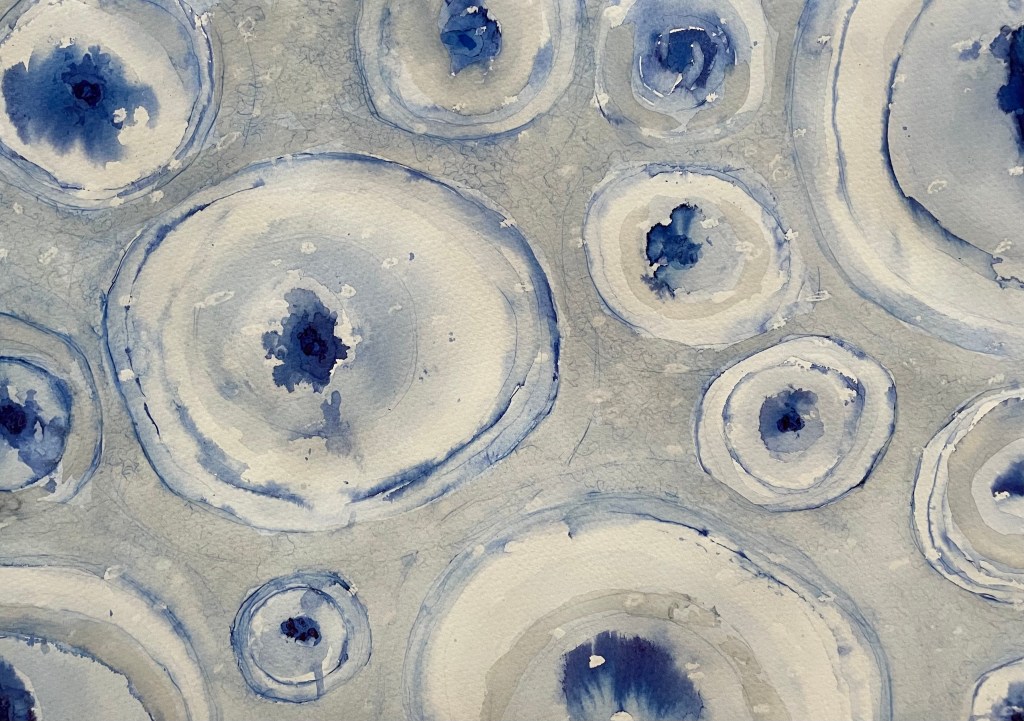
There’s not a lot to say about these images. Apart from the middle one, which was influenced by thoughts on cells and became all too contrived, there’s something very liberating about putting water on paper and watching the ink do its thing.

I’m beginning to think that maybe I should be getting on and producing some actual work.

Sisters

“A sister is not a friend. Who can explain the urge to take a relationship as primal and complex as a sibling and reduce it to something as replaceable, as banal as a friend? Yet this status is used again and again to connote the highest intimacy. My mother is my best friend. My husband is my best friend. No. True sisterhood, the kind where you grew fingernails in the same womb, were pushed screaming through identical birth canals, is not the same as friendship. You don’t choose each other, and there’s no furtive period of getting to know the other. You’re part of each other, right from the start. Look at an umbilical cord – tough, sinuous, unlovely, yet essential – and compare it to a friendship bracelet of brightly woven thread. That is the difference between a sister and a friend.”

‘Blue Sisters’, by Coco Mellors

I stumbled across this passage whilst I was having a mooch in Waterstones on Saturday. It cuts right to the heart of what it is to be a sibling. I find the imagery particularly strong – the inhabited space of the womb, growth and development, umbilical cord, connection. Lots of food for thought.

‘The Two Fridas’, Frida Kahlo 1939 (oil on canvas)

On the subject of thinking, this image above has been floating around in the back of my head whilst I’ve been contemplating my role as a sibling, and as a mother, but more on the latter some other time. In this painting, Kahlo’s traditional identity is connected by an artery from her complete heart to the heart of her modern identity which has been torn apart by her divorce from Diego Rivera. I find it a very powerful image: full of pain and conflict, but, at the same time, resilience. It’s already informing some ideas for a piece of work.

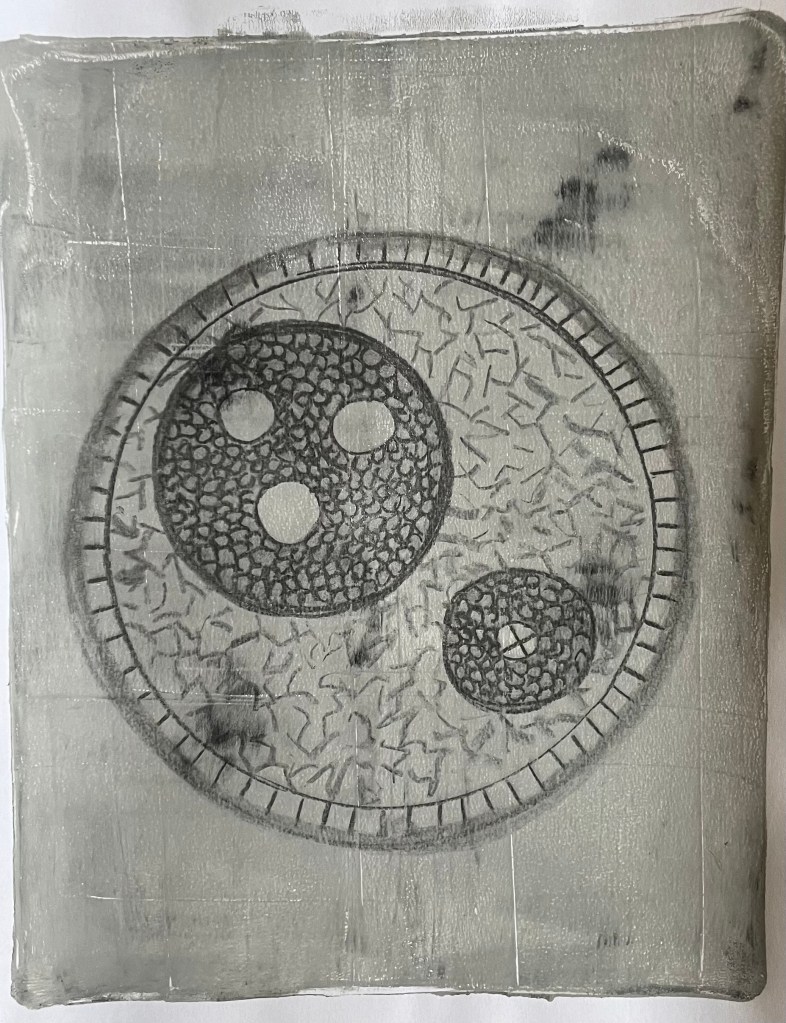
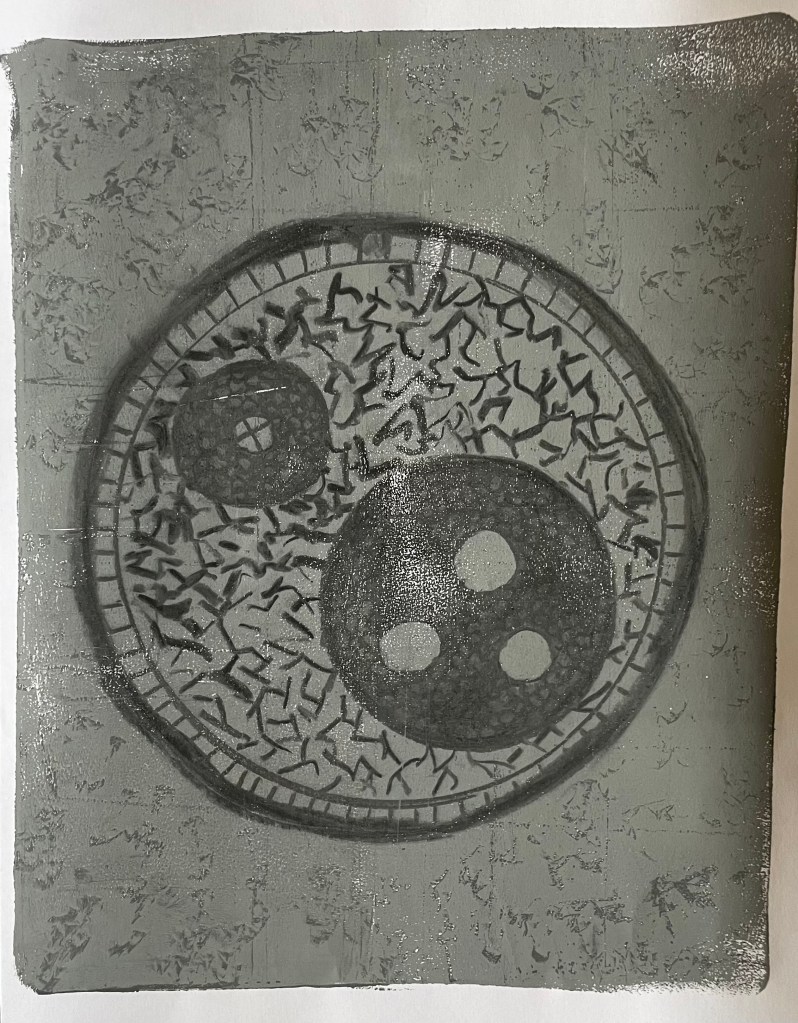
I’ve been experimenting with pressing charcoal drawings onto a gelatine plate and then printing – the archival quality it produces is interesting – and also applying paint onto the plate randomly. It was all done in a bit of a rush as I suddenly thought: less thinking, more doing. I didn’t find the process satisfying: the colours are really unappealing and murky – in fact they are just varying shades of grey. I’ve been meaning to try this process for sometime now, since I saw it on a facebook reel, so I was really quite excited at the outset but I ended up feeling underwhelmed – the subtleties inherent in charcoal are totally lost. Maybe starting with a cross-section of an unlovely umbilical cord inadvertently set the tone, but my quickie self-portrait certainly expresses how I felt!

So, here’s the bad and the ugly…

Miscellany I

I’m conscious that I committed to doing an automatic drawing a day to try and change my mindset. I’m allowing myself the inclusion of exploring Procreate as well!

I particularly like the charcoal drawing. I used a piece of compressed charcoal and made swirling marks using it on its narrow edge and full on its side. I then rubbed it out and repeated it but this time playing around with the end and varying the motions. The concept of layers appeals to me (memories, past lives/ identities…) particularly the traces left behind of the first drawing and I was surprised by the range of marks I made depending on how I held the charcoal and the pressure I used. There are some delicate areas, followed by some jagged, harsh marks. Some lines appear to be faltering and hesitant whilst others have more purpose and at times are almost punctuation marks in what would otherwise be a stream of unconsciousness.

The second image I am treating as an automatic pastel drawing – I randomly chose colours and effects from the Procreate menu and I think the result is interesting, although I miss the haptics and the smell of the real thing as well as the tactile relationship between the medium and support. I’m not sure that I would use it going forward, except maybe as a tool to experiment with, although I have previously decreed that collage is just not my bag – how times change! I might use it if I decided to go down a graphic flat colour route (as in the third image) and digital collage is something I will definitely explore further – no bits on the floor and no need to glue – what’s not to like? I’ve been thinking about how I could incorporate digital collage into a mixed media piece of work – perhaps a giclée print onto a canvas, sealed with medium and then oil paint?

There are lots of thoughts chasing themselves around my head – I’ve been ignoring them in the hope that as and when I consciously acknowledge them they may have already got themselves into some kind of order. Just doing what I’m doing at the moment seems to be creating even more possibilities and permutations which is exciting.

I can sense that I’m feeling a lot more relaxed about making my experimental work ‘public’. I really look forward to starting the day by just letting my hand wander across the page – it’s the only time when there’s no expectation on me to achieve anything – renewing the buildings insurance, fixing the E20 error message on the washing machine – just a moment when I’m at one…

And Now For Something Completely Different

Last week’s task was to try something different in our artistic practice: something which might not work out.

I’ve been thinking about trying digital art for a while. I like the feel of a paintbrush or piece of charcoal in my hand and so a foray into the world of an Apple Pencil and a flat screen would seem to lack the tactile nature of applying paint to a canvas or smudging and blending charcoal with my fingers. It is, as expected sadly lacking, although Procreate, the app I used, has a wide range of effects and tricks, it’s not at all the same.

I’m not the most technically minded person, so I had to watch numerous YouTube videos and even then with my current inability to retain information, I decided that the best way to learn is to get stuck in. It took me ages just get to grips with the basics!

I discovered that one area in which using Procreate might be of use is in collage. Instead of cutting out images and assembling them, I created several different layers of images which I first isolated from their backgrounds. It was much easier to move them around than using physical pieces and the ability to use my own photographic images and images from websites such as Pexels, means that there won’t be any issues in terms of copyright, something of which I’ve always been mindful.

This is the result:

I’m quite pleased with it as a first attempt and I can see that there is a lot of potential in producing digital collages. I found the process quite frustrating at times, but that was mainly due to my incompetence and this will improve with practice, hopefully. Next time I will take a bit more care in selecting my images; I don’t think the cactus in the foreground works particularly well, but I just needed something to detract from the lack of clarity in the tree roots. I used the paintbrush option to put in a shadow under the skull, but the shadow of the figure doesn’t work at all – I was unable to alter it as I had merged several layers together by that stage. Going forward, I think I need to give more thought to the interaction of the layers and also, to save time, it would be a good idea to start to create a collection of images rather than searching through photos and websites on the hoof.